- Metals
- Comparisons
Platinum vs White Gold: Which Metal is Best For My Ring?
Ada's design experts break down what to know about the difference between white gold and platinum.
Diamond Education
Rose gold brings a warm, distinctive look to an engagement ring or wedding band. Here's what to know before you choose it.
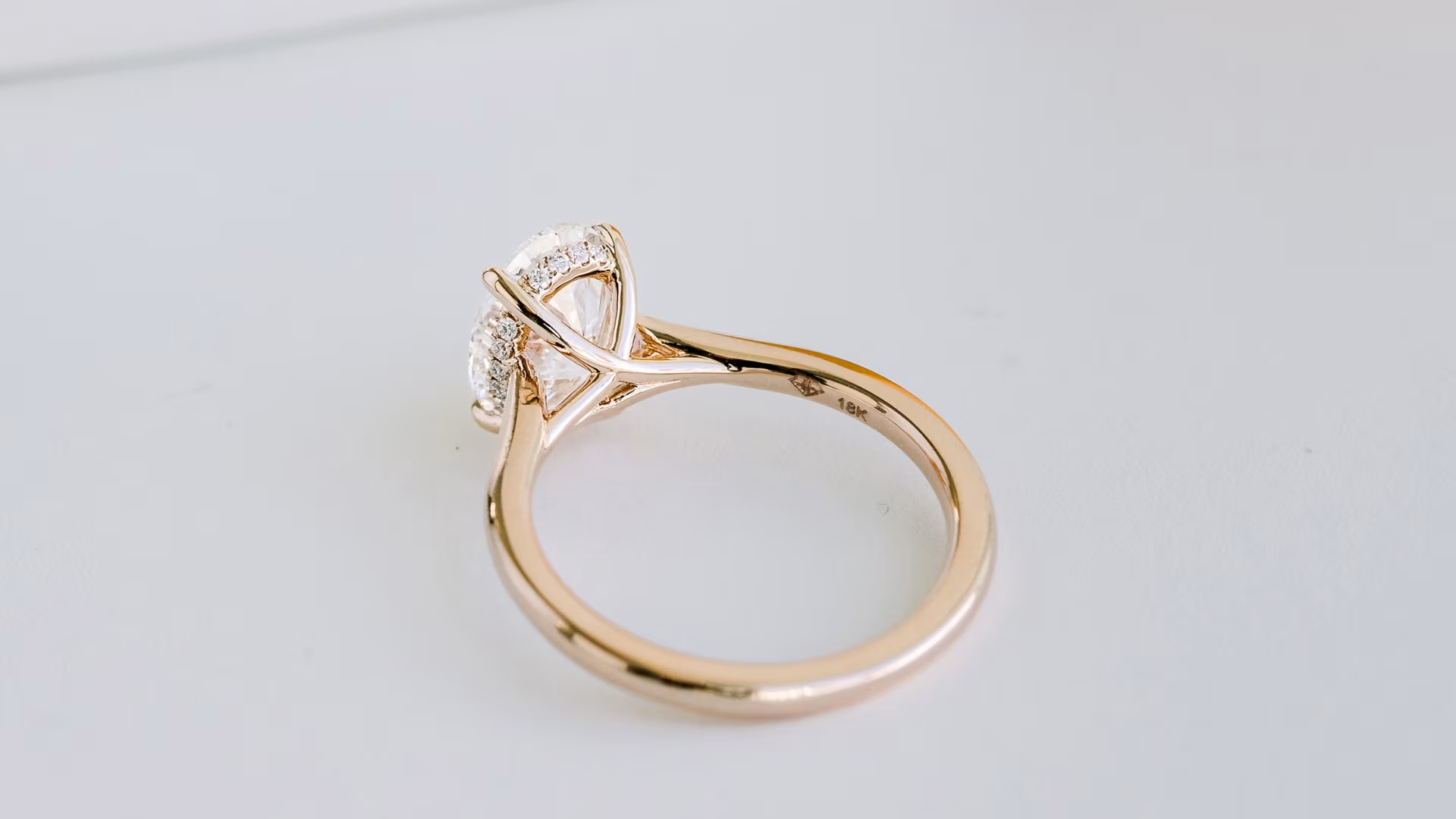
Considering rose gold for your engagement ring?
Rose gold has grown in popularity in recent years and lends a romantic warmth to your jewelry that feels very distinct from more traditional white or yellow metal options.
In this guide, our experts break down everything you need to know about rose gold!
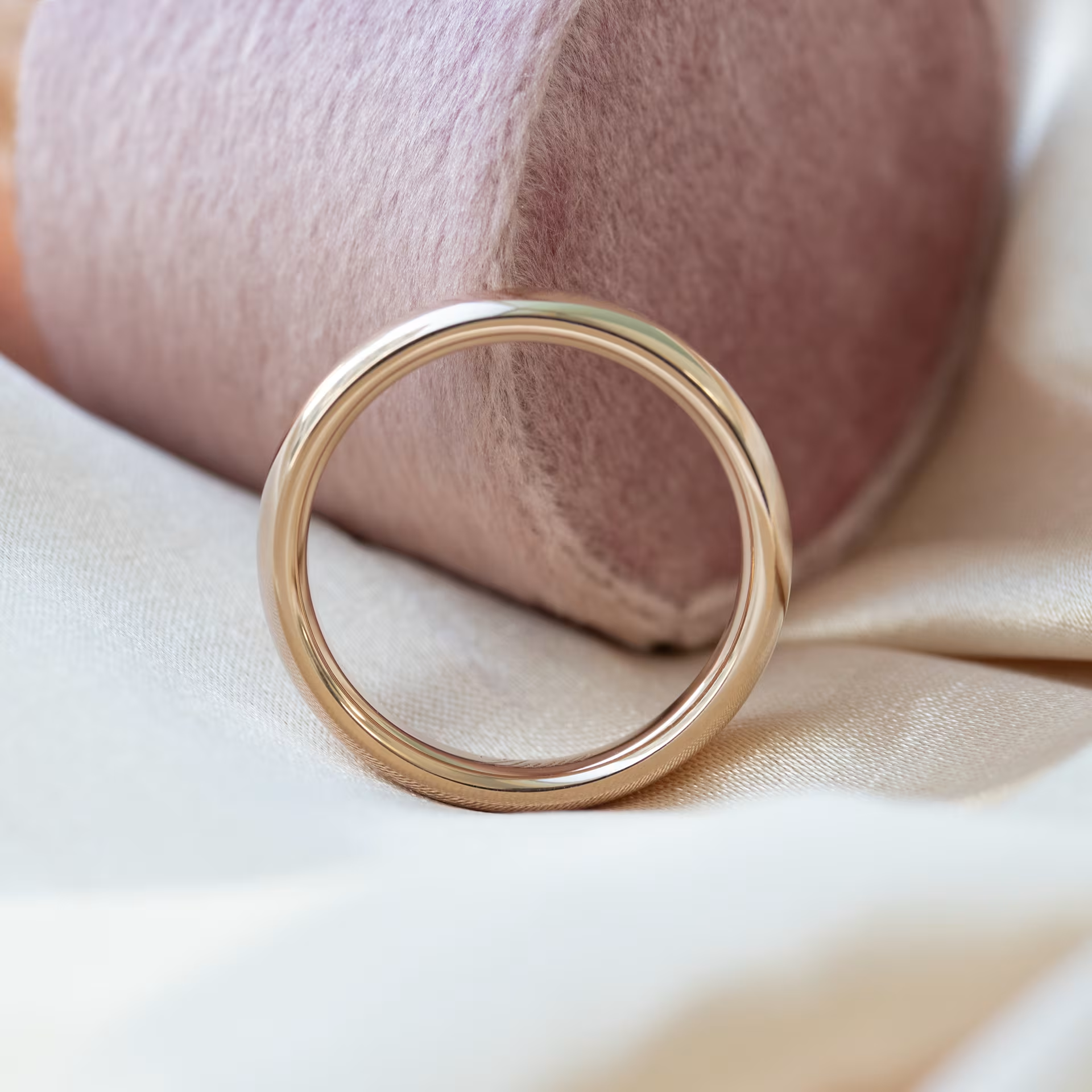
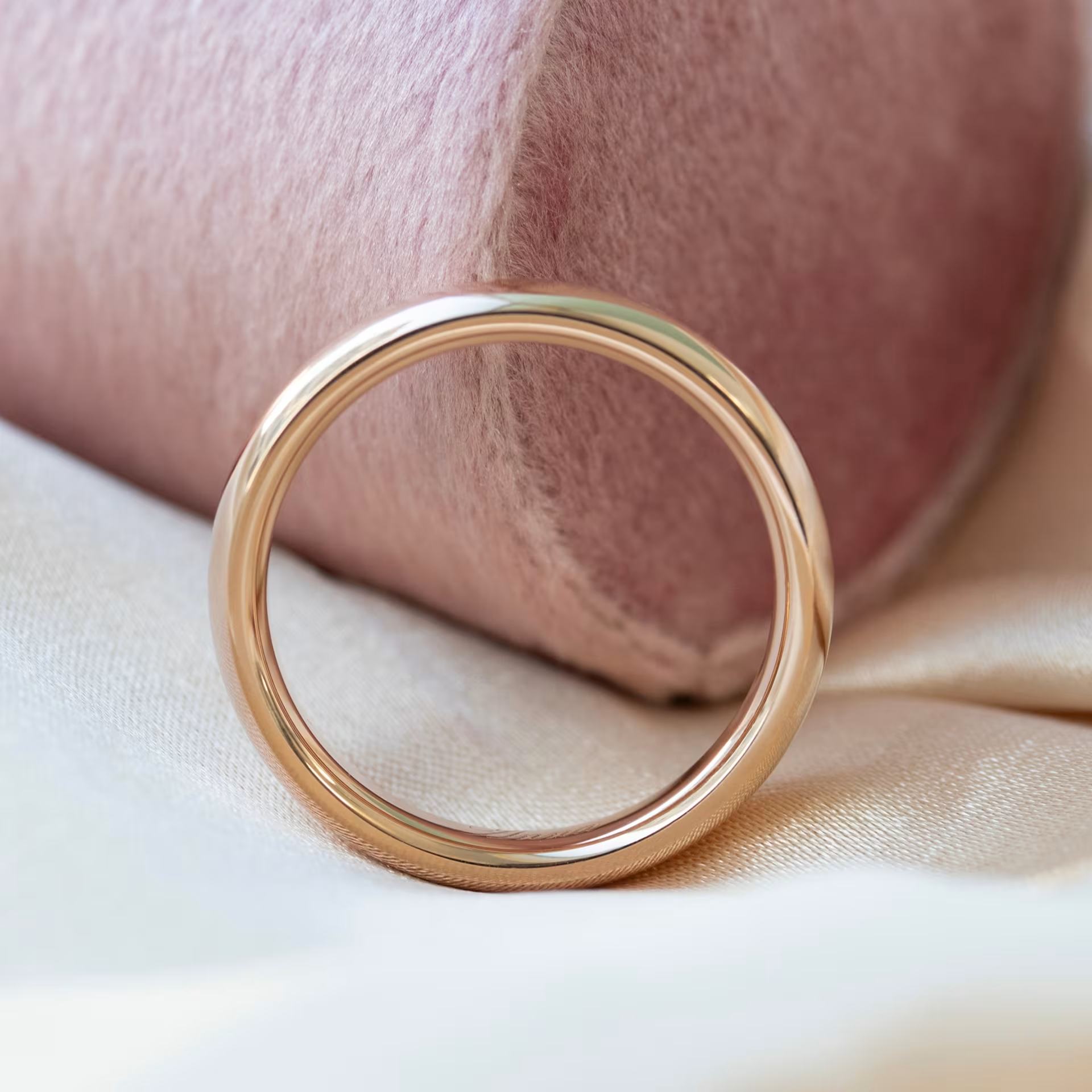
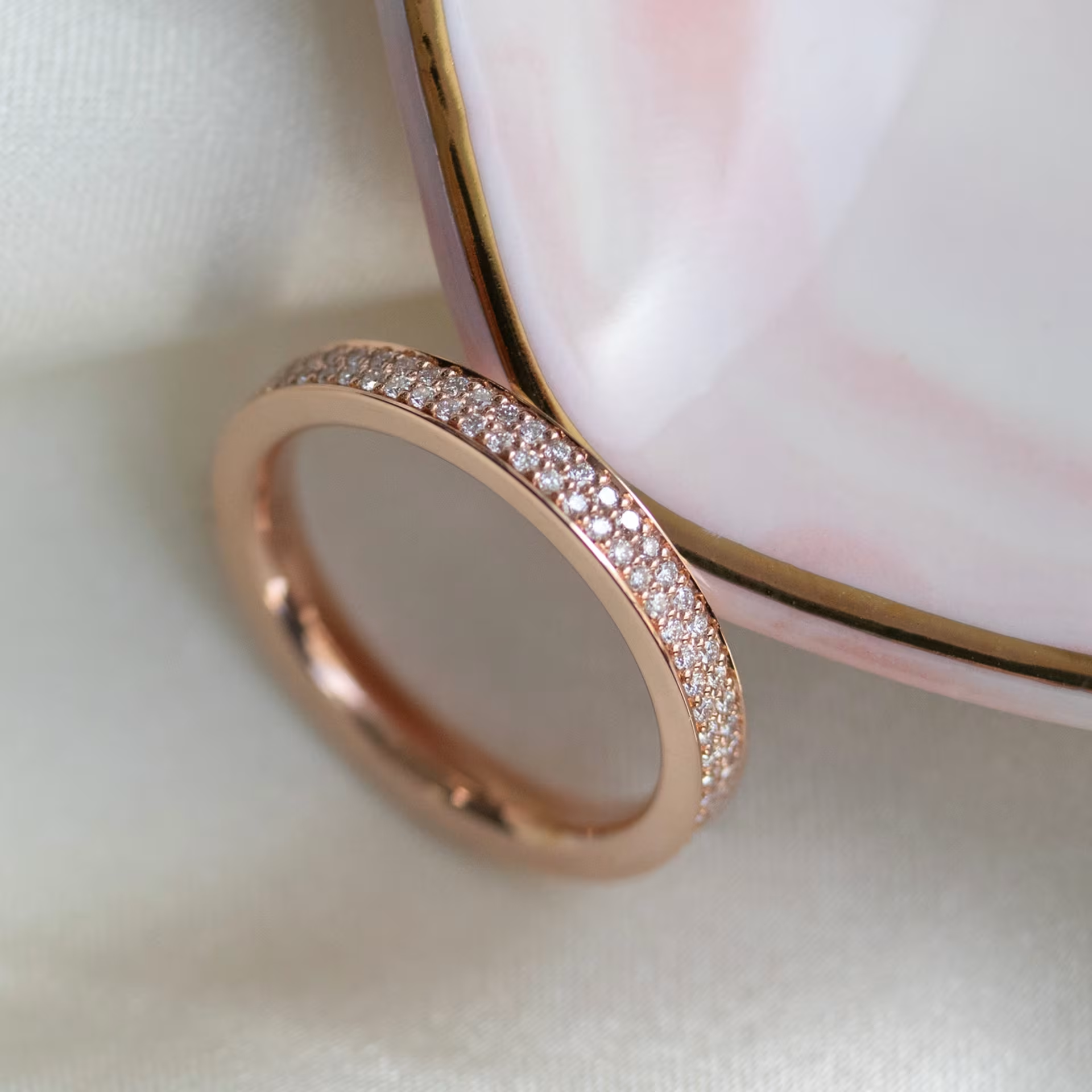
Rose gold is a gold and copper alloy. The copper content is what creates the pinkish hue. More copper produces a deeper rose tone. Ada offers rose gold in both 14k and 18k.
14k rose gold has a more distinctly pink appearance; 18k rose gold is slightly more golden and brassy. Neither is objectively better; it’s mostly a matter of personal preference.
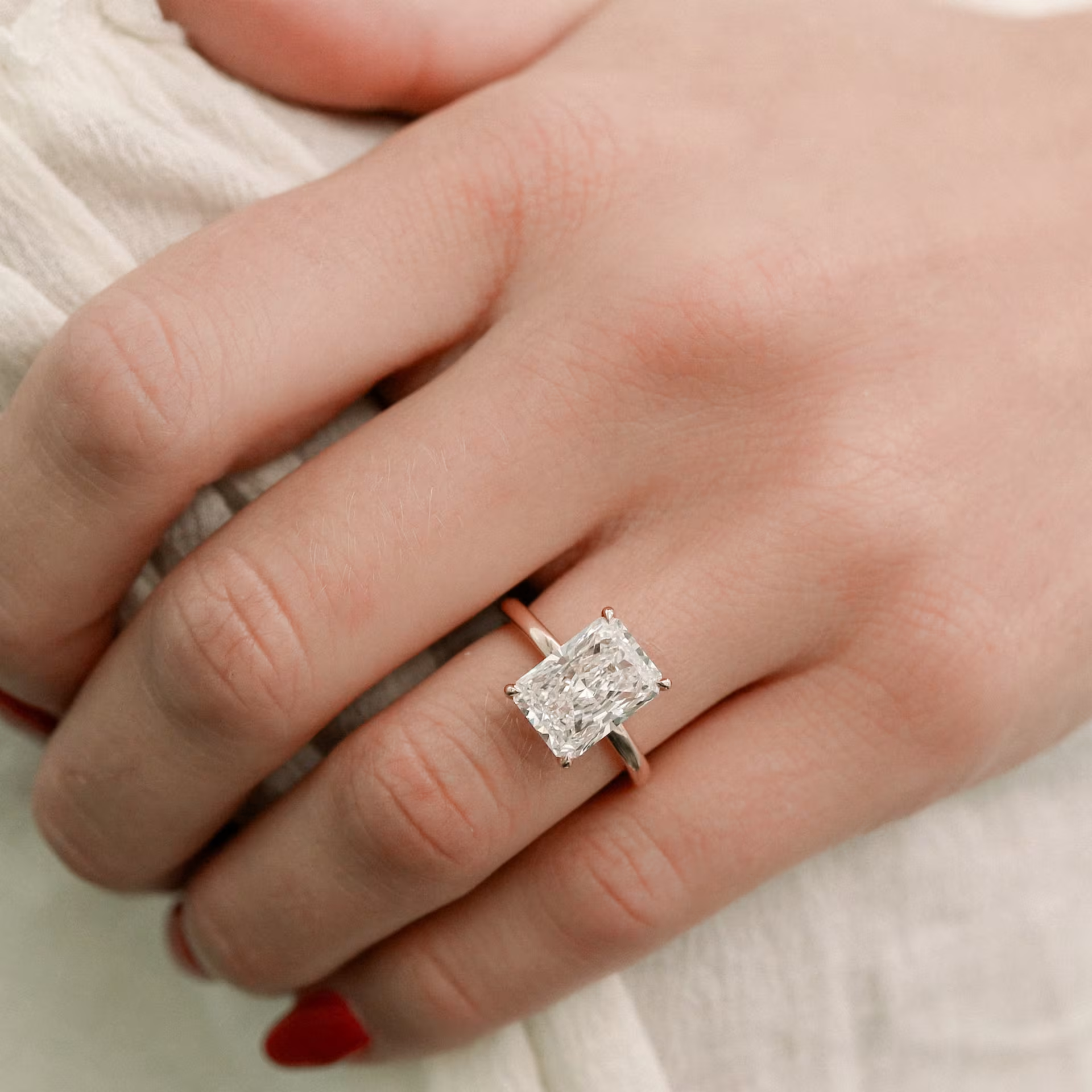
Because copper is harder than many metals used in gold alloys, rose gold is slightly more durable than white or yellow gold of the same karat. It holds its shape well under daily wear.
Like all gold alloys, it will develop a patina over time. Some clients prefer this; others have their ring polished periodically to restore the original finish.
If you live a very active or hands-on lifestyle, 14k gold is a more durable option and will likely wear better. If you mostly wear your ring on special occasions, or you simply prefer the color of 18k, it may be the right choice for you!
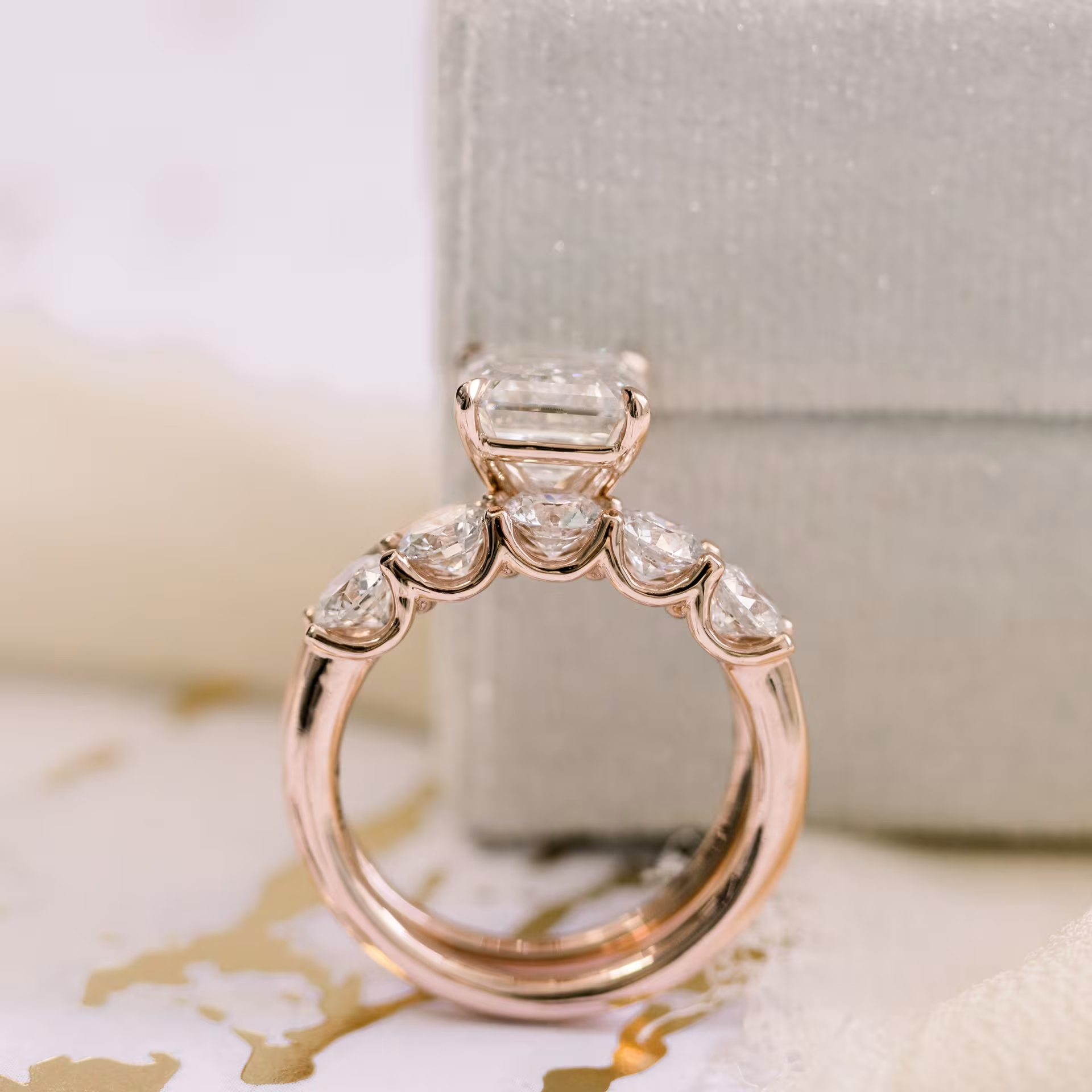
Ada offers rose gold in both 14k and 18k. 14k rose gold has a more distinctly pink appearance because the higher copper content produces a deeper rose tone. 18k rose gold has a slightly more golden, warmer hue due to the higher proportion of pure gold.
Both are beautiful choices for your engagement ring or jewelry, and it simply comes down to your preference for color alongside your diamond and against your skin.
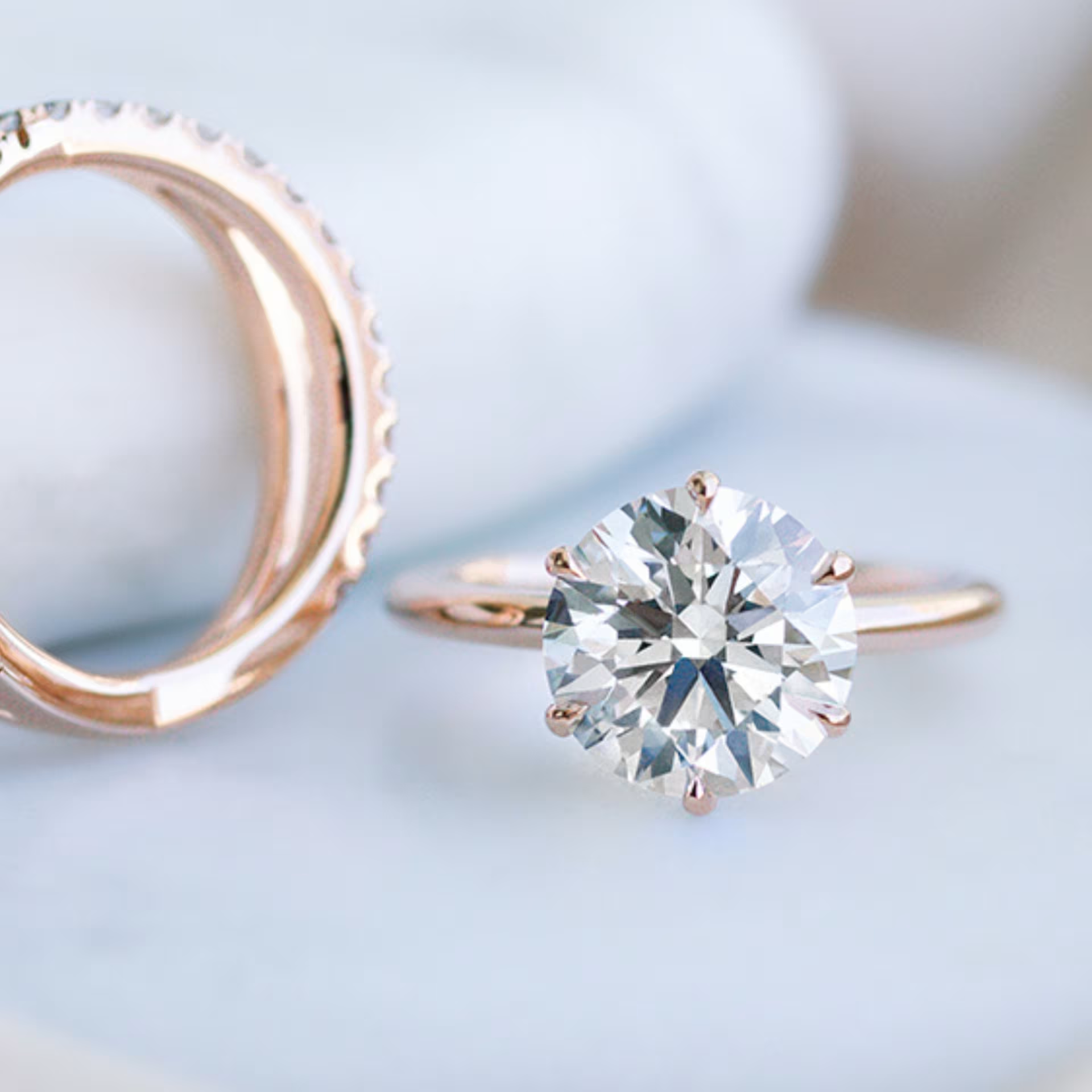
White and yellow gold remain the most popular choices for engagement ring settings, but rose gold has grown steadily in popularity and shows no signs of fading.
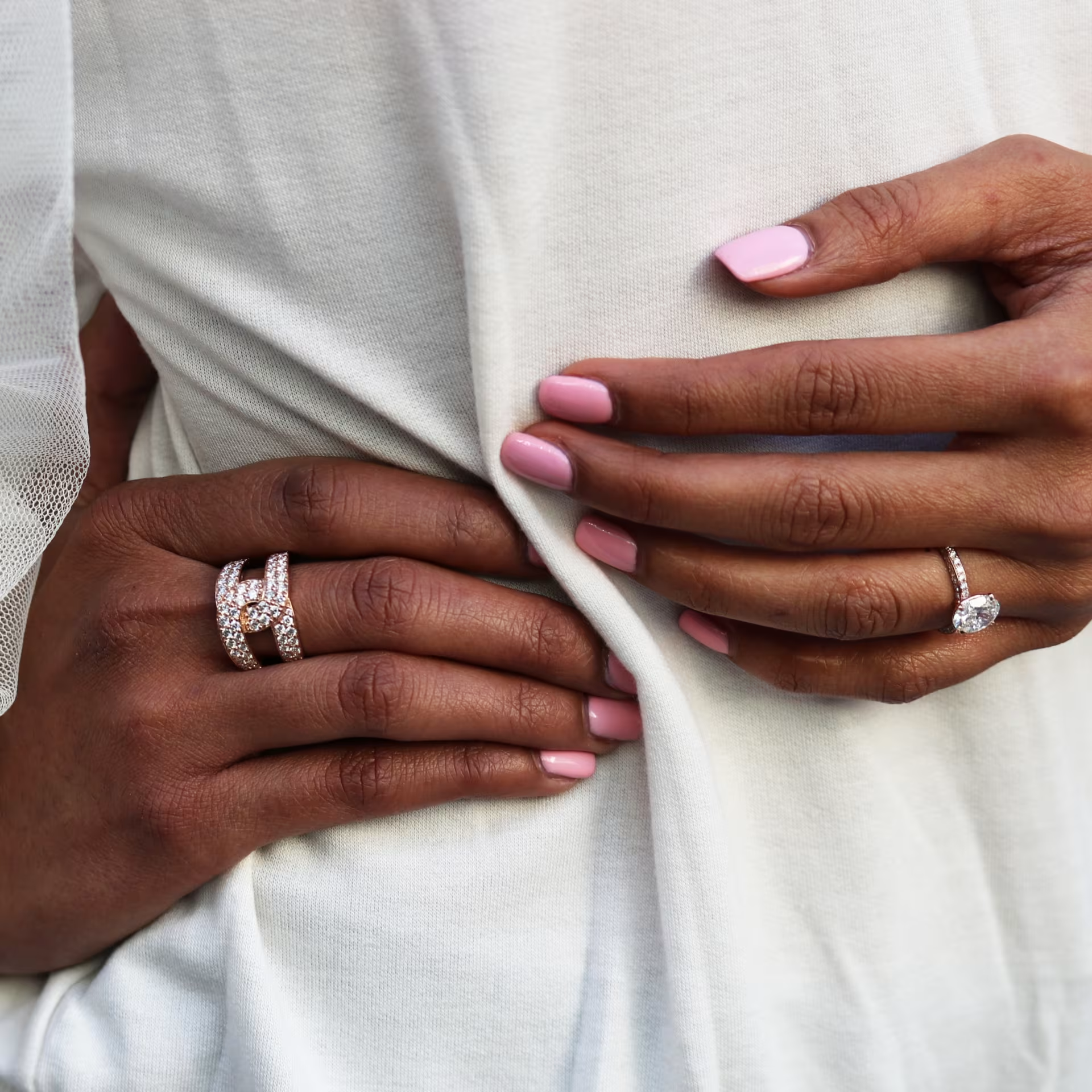
Rose gold's warm tone complements a wide range of skin tones, however, it is not hypoallergenic due to its copper content. If you have a known copper sensitivity, platinum or 18k yellow gold may be a better fit.
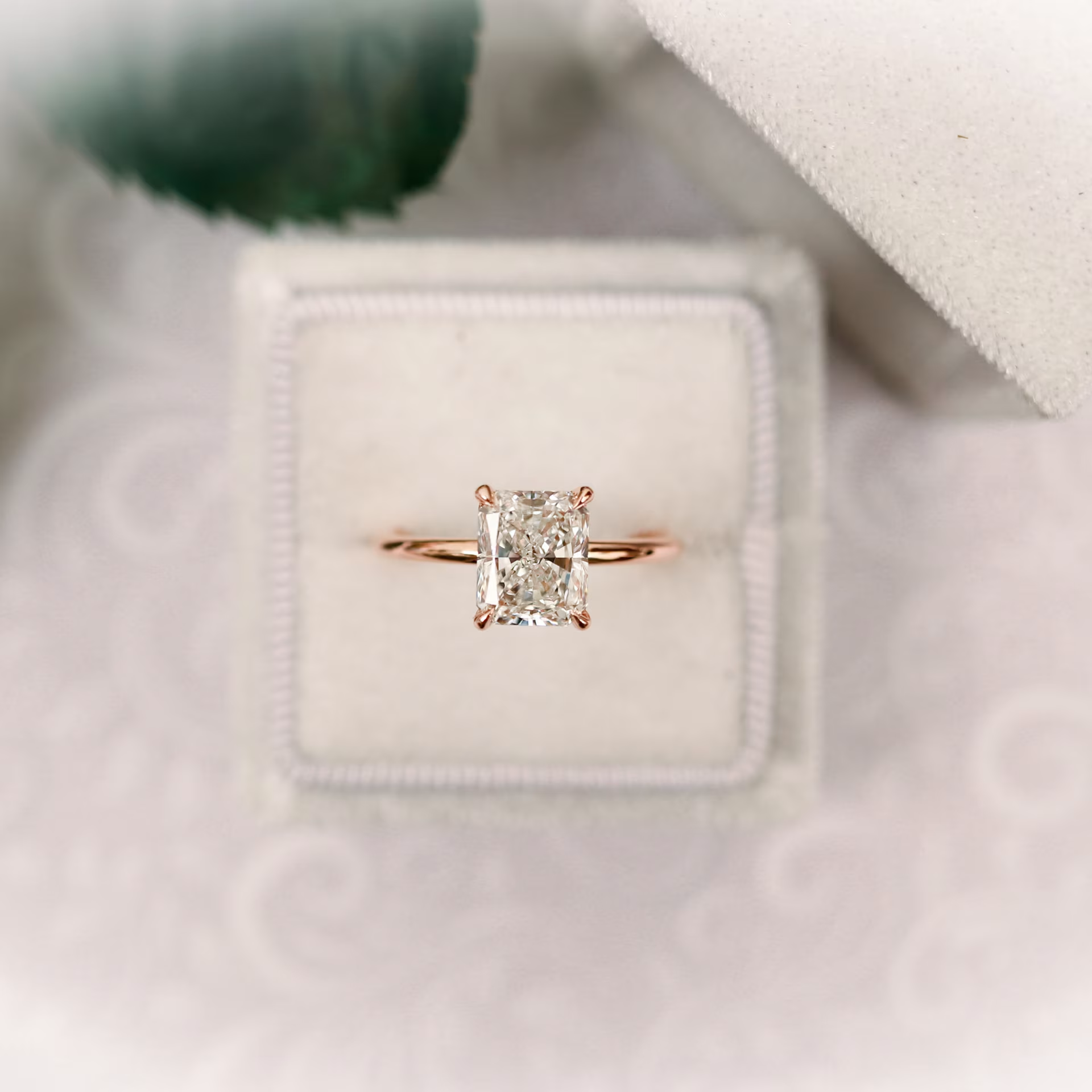
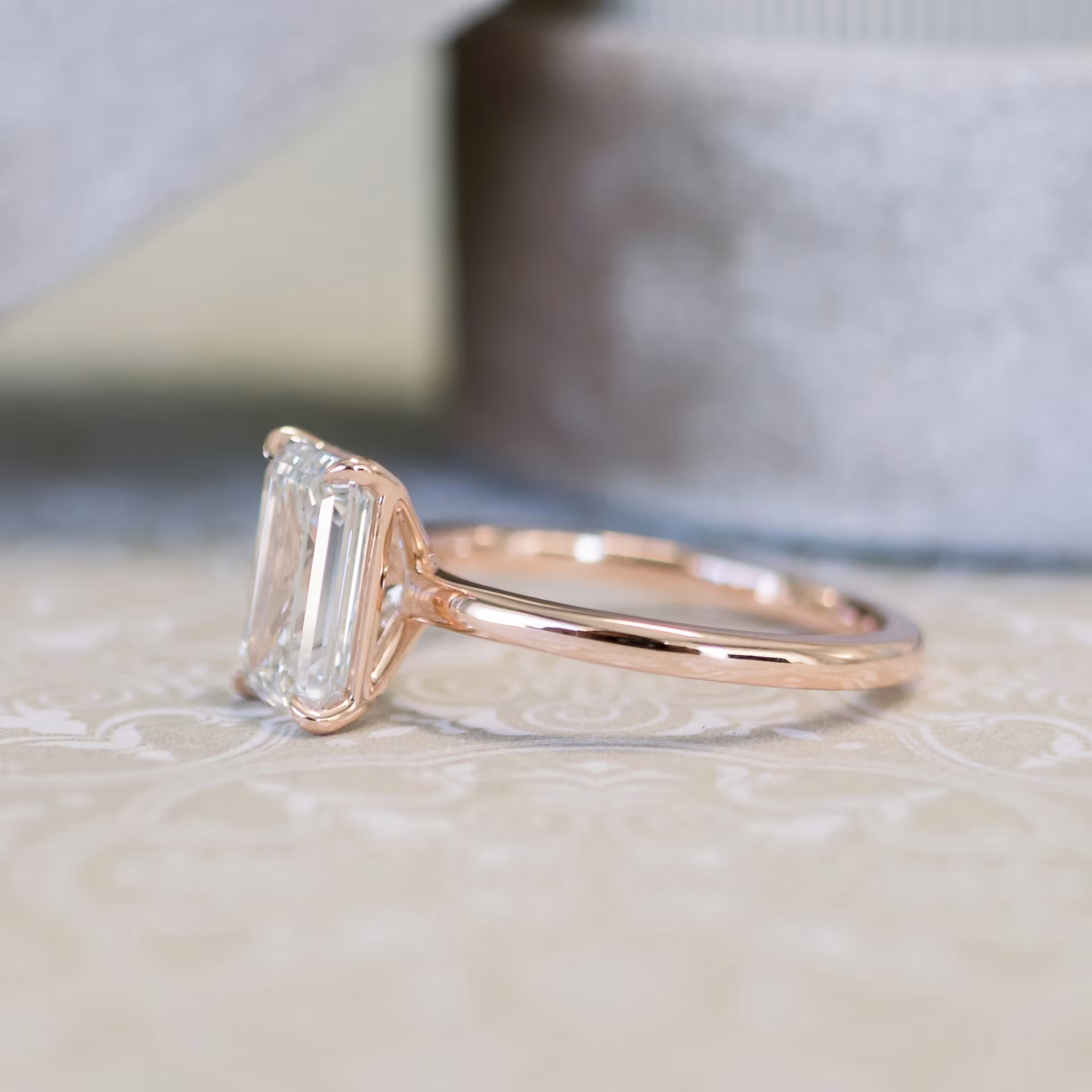
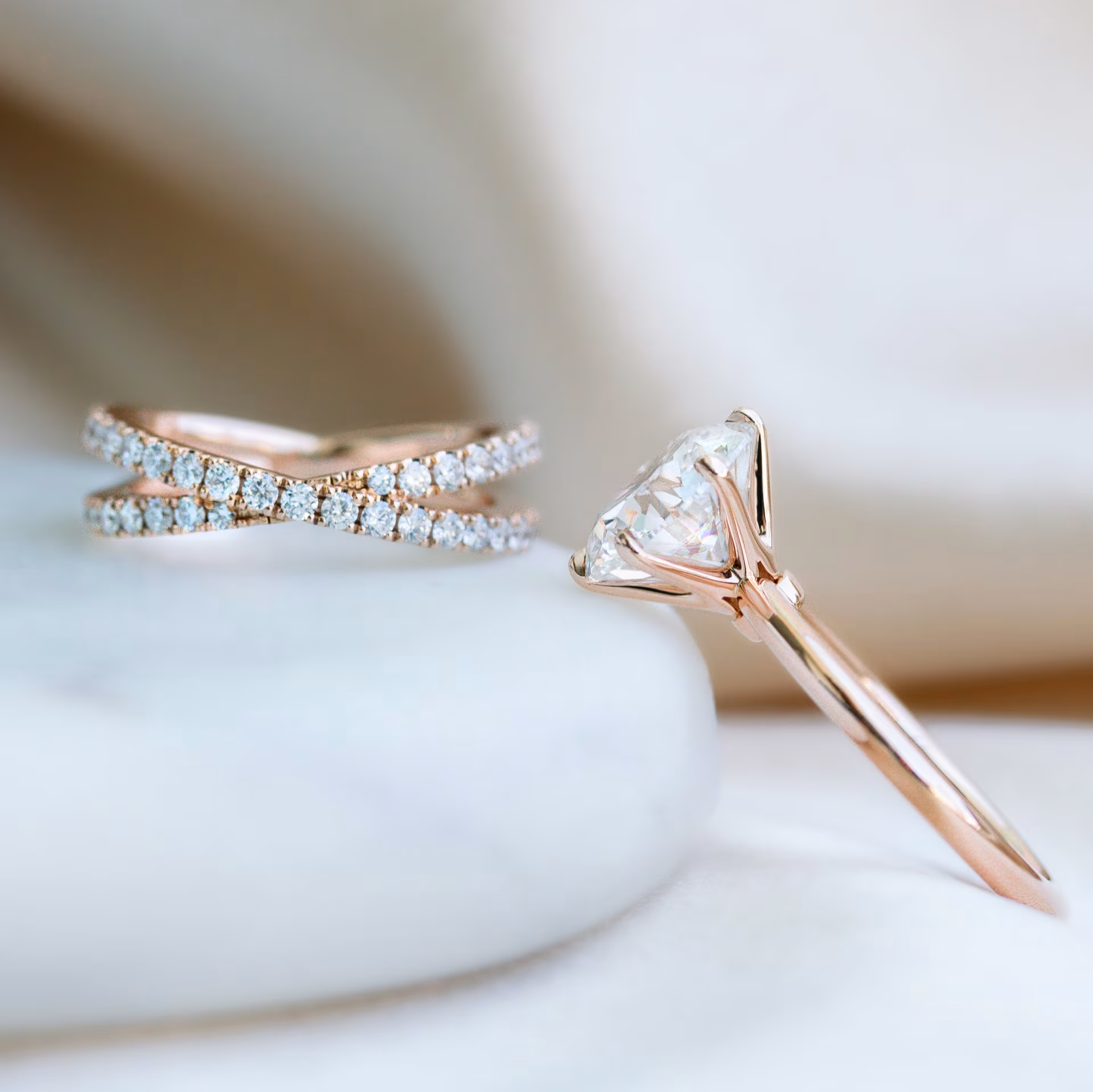
It pairs particularly well with colorless diamonds, where the contrast between the white stone and warm metal is sharp and distinctive. It is also a popular choice alongside fancy colored diamonds — pink, peach, and champagne tones work especially well.
Ada's design experts break down what to know about the difference between white gold and platinum.
Diamond Education
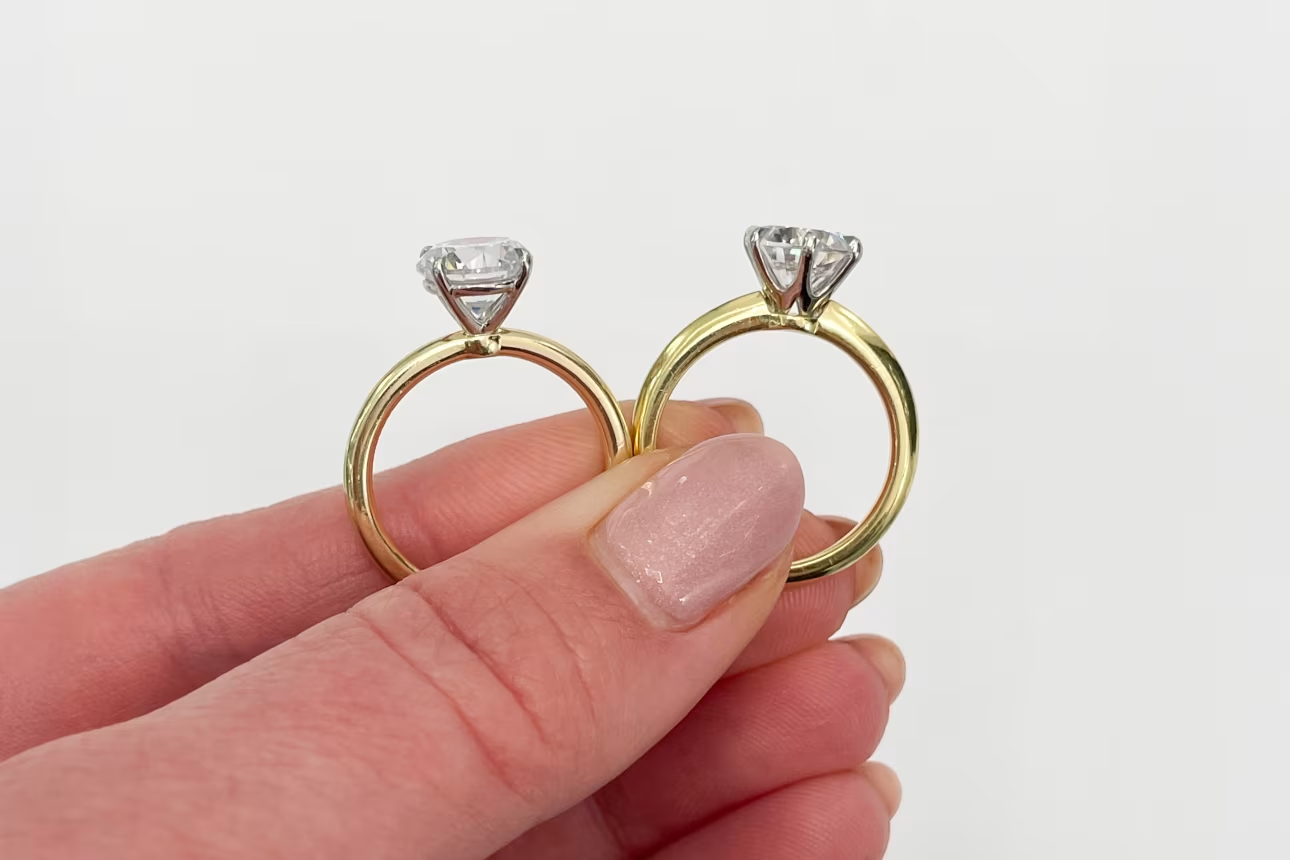
Gold remains one the most popular choices for fine jewelry and engagement rings. You may be wondering “Should I choose 14k or 18k gold for my engagement ring”? or "Is one better than the other?"
Diamond Education
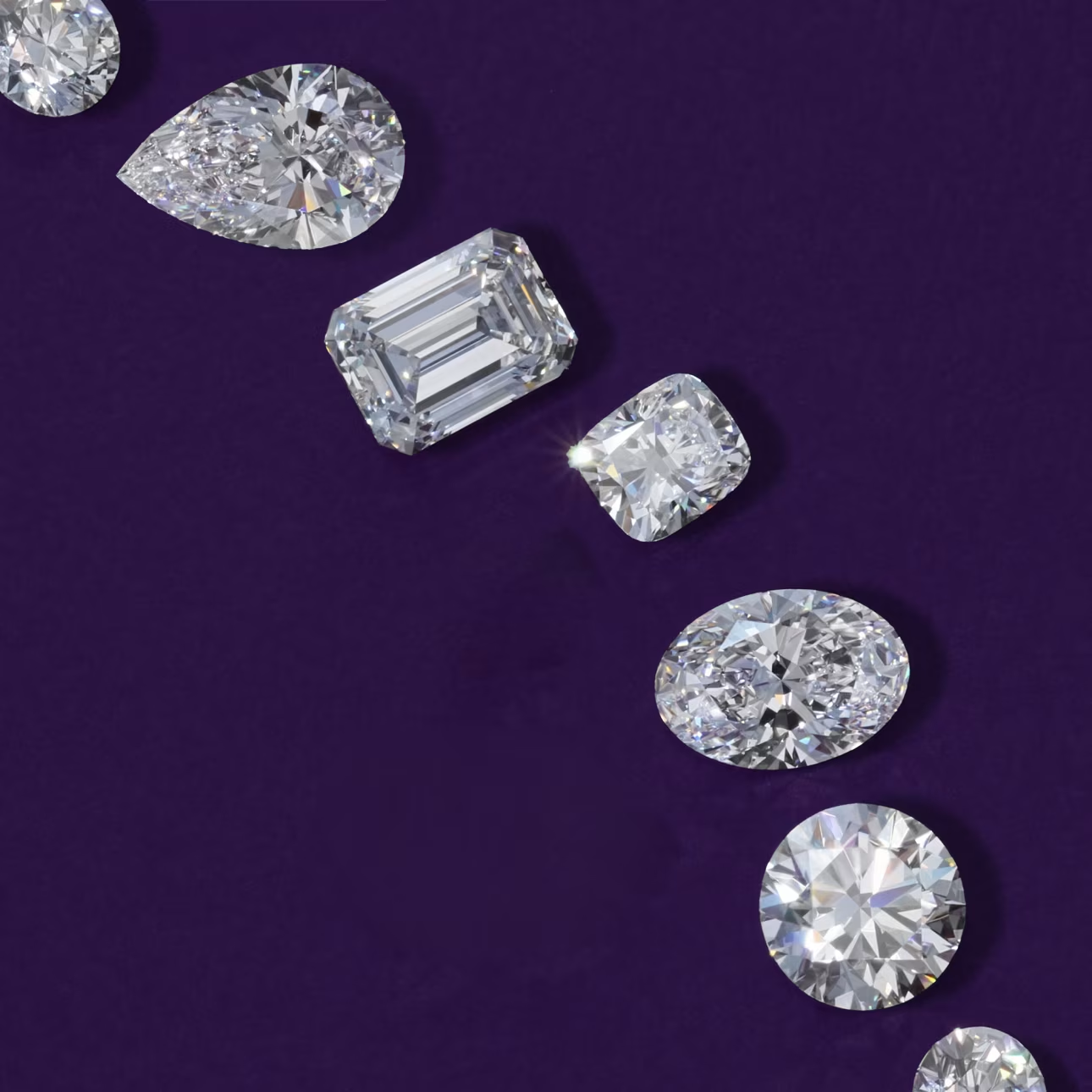
Everything you need to know about lab diamond shapes, from round brilliants to Asscher cuts.
Rose gold brings a warm, distinctive look to an engagement ring or wedding band. Here's what to know before you choose it.
Considering rose gold for your engagement ring?
Rose gold has grown in popularity in recent years and lends a romantic warmth to your jewelry that feels very distinct from more traditional white or yellow metal options.
In this guide, our experts break down everything you need to know about rose gold!
Rose gold is a gold and copper alloy. The copper content is what creates the pinkish hue. More copper produces a deeper rose tone. Ada offers rose gold in both 14k and 18k.
14k rose gold has a more distinctly pink appearance; 18k rose gold is slightly more golden and brassy. Neither is objectively better; it’s mostly a matter of personal preference.
Because copper is harder than many metals used in gold alloys, rose gold is slightly more durable than white or yellow gold of the same karat. It holds its shape well under daily wear.
Like all gold alloys, it will develop a patina over time. Some clients prefer this; others have their ring polished periodically to restore the original finish.
If you live a very active or hands-on lifestyle, 14k gold is a more durable option and will likely wear better. If you mostly wear your ring on special occasions, or you simply prefer the color of 18k, it may be the right choice for you!
Ada offers rose gold in both 14k and 18k. 14k rose gold has a more distinctly pink appearance because the higher copper content produces a deeper rose tone. 18k rose gold has a slightly more golden, warmer hue due to the higher proportion of pure gold.
Both are beautiful choices for your engagement ring or jewelry, and it simply comes down to your preference for color alongside your diamond and against your skin.
White and yellow gold remain the most popular choices for engagement ring settings, but rose gold has grown steadily in popularity and shows no signs of fading.
Rose gold's warm tone complements a wide range of skin tones, however, it is not hypoallergenic due to its copper content. If you have a known copper sensitivity, platinum or 18k yellow gold may be a better fit.
It pairs particularly well with colorless diamonds, where the contrast between the white stone and warm metal is sharp and distinctive. It is also a popular choice alongside fancy colored diamonds — pink, peach, and champagne tones work especially well.
Ada's design experts break down what to know about the difference between white gold and platinum.
Diamond Education
Gold remains one the most popular choices for fine jewelry and engagement rings. You may be wondering “Should I choose 14k or 18k gold for my engagement ring”? or "Is one better than the other?"
Diamond Education
Everything you need to know about lab diamond shapes, from round brilliants to Asscher cuts.