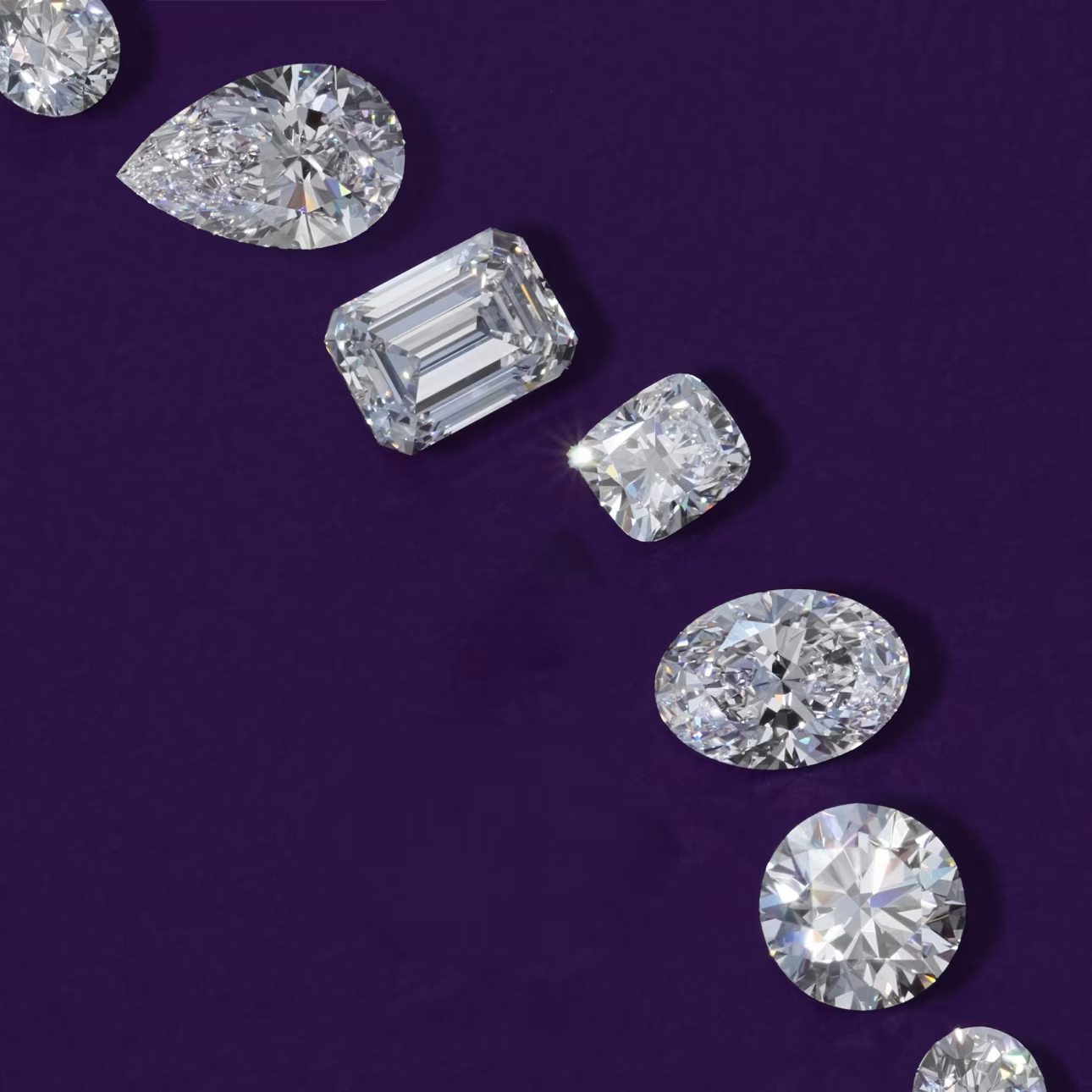
Guide to Lab Diamond Shapes
Everything you need to know about lab diamond shapes, from round brilliants to Asscher cuts.
Ada's design experts break down the difference between 14k and 18k gold.
Metals, Comparisons
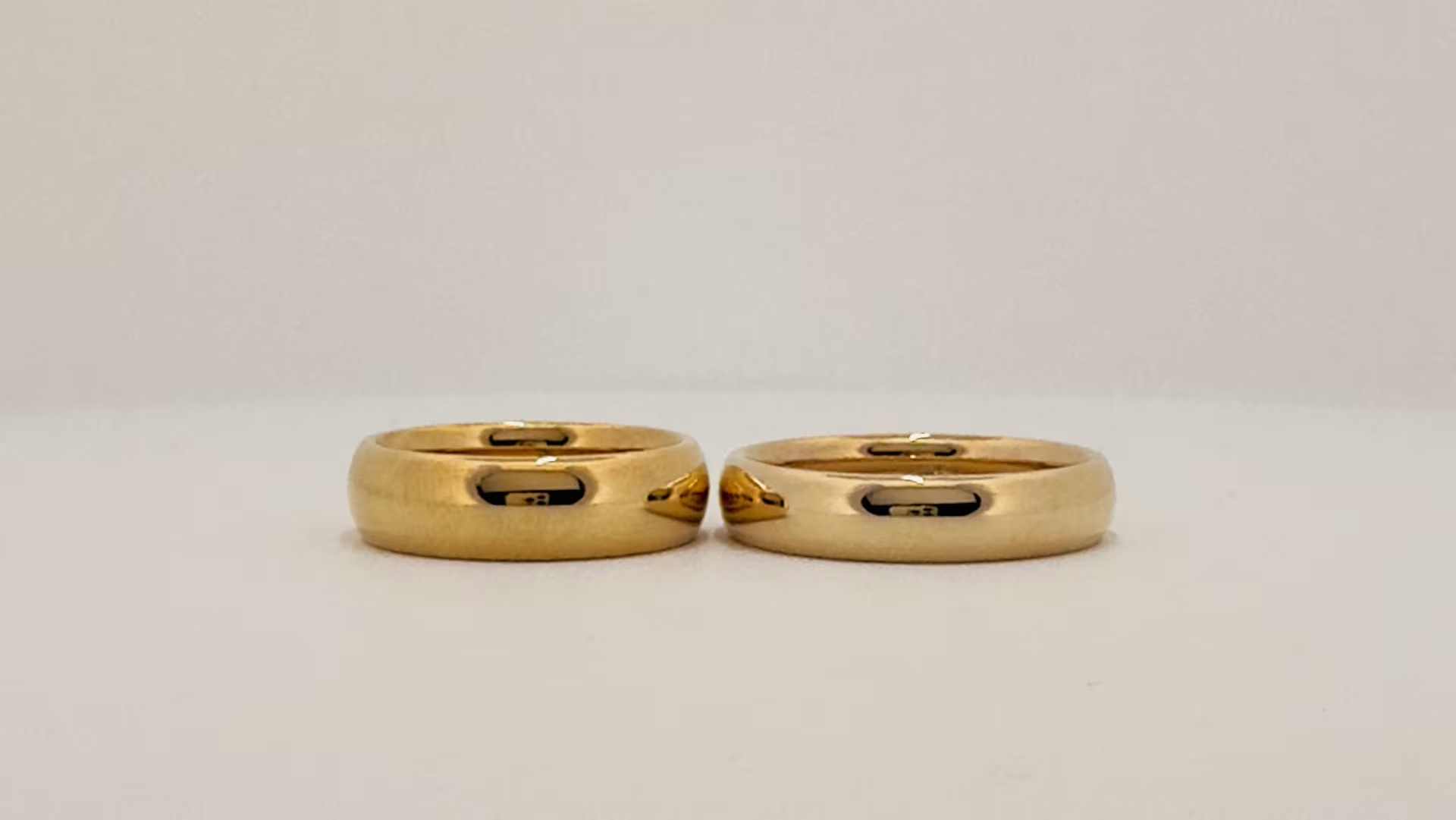
Gold remains one of the most popular choices for fine jewelry and engagement rings. You may be wondering, “Should I choose 14k or 18k gold for my engagement ring”? or "Is one better than the other?"
In this guide, our experts break down the difference you can make an informed choice.
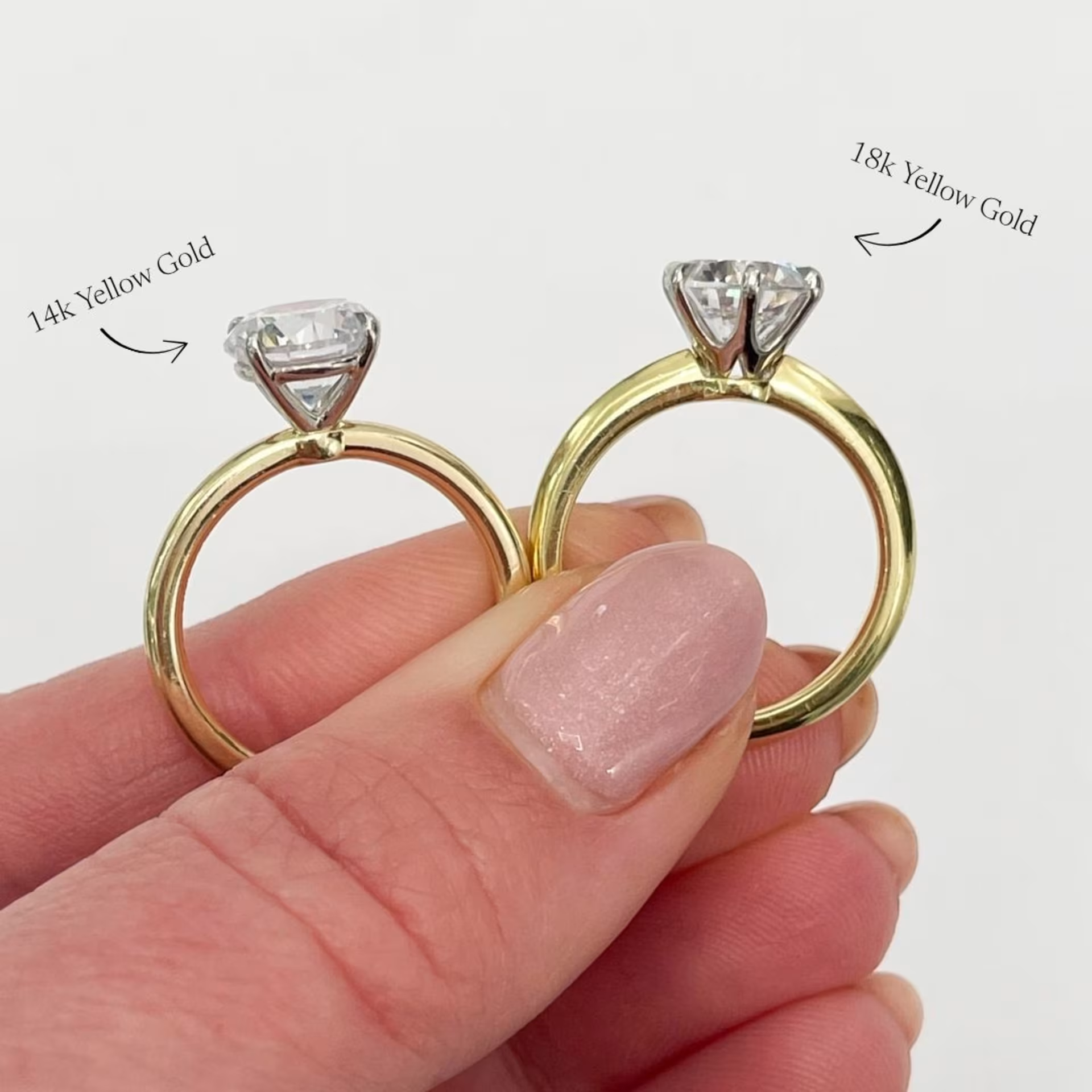
“Karat” (abbreviated as “k”) refers to how much pure gold is in a piece of metal. Since pure gold is soft and not ideal for everyday wear, it’s mixed with other metals (like silver, copper, and zinc) to improve durability.
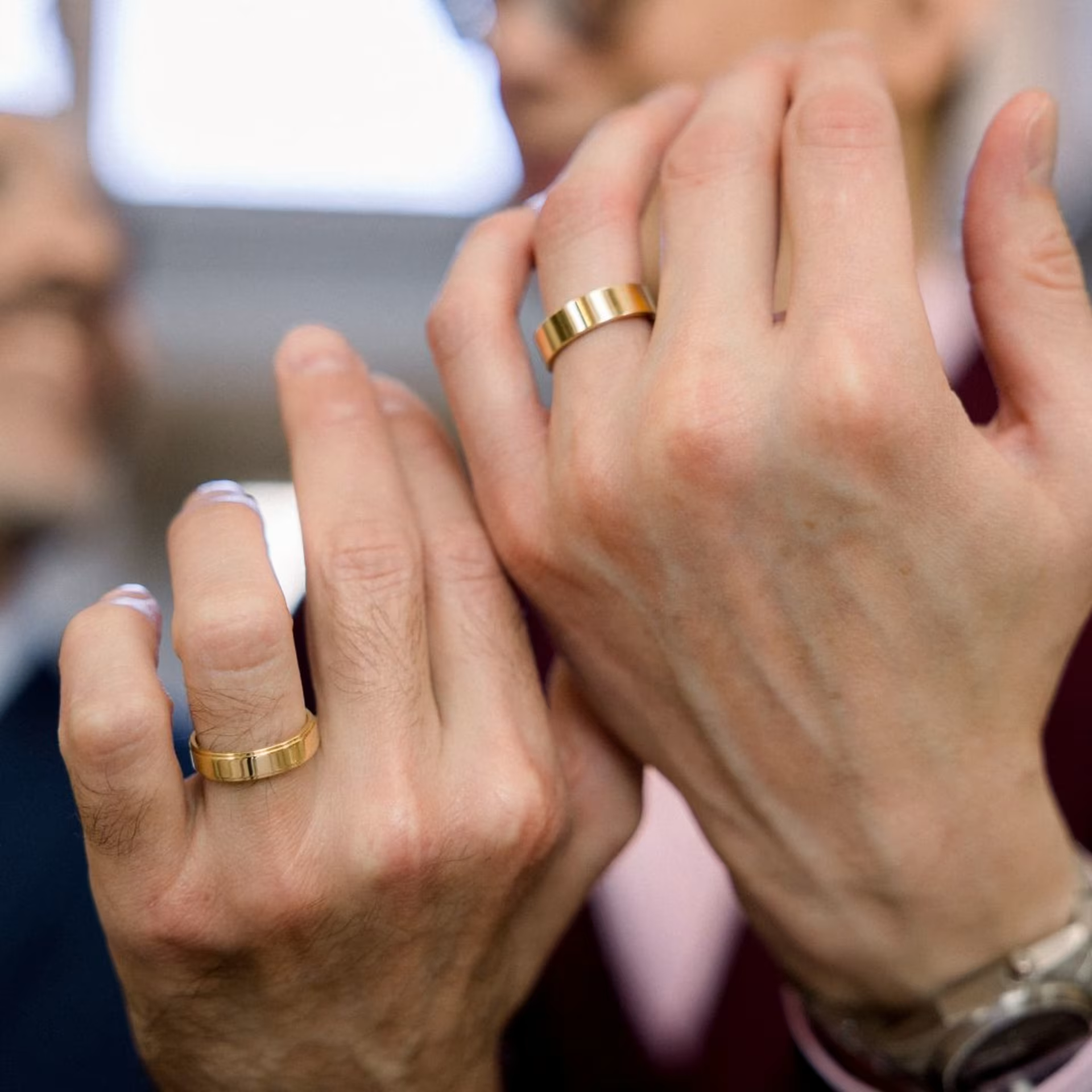
If you live a very active or hands-on lifestyle, 14k gold is typically the better choice. It’s more resistant to scratches, dings, and signs of wear.
18k gold is softer and more prone to scratches. If your jewelry is primarily worn on special occasions or you prefer the softer look of 18k gold, it may be the ideal choice for you. There’s nothing wrong with having either!
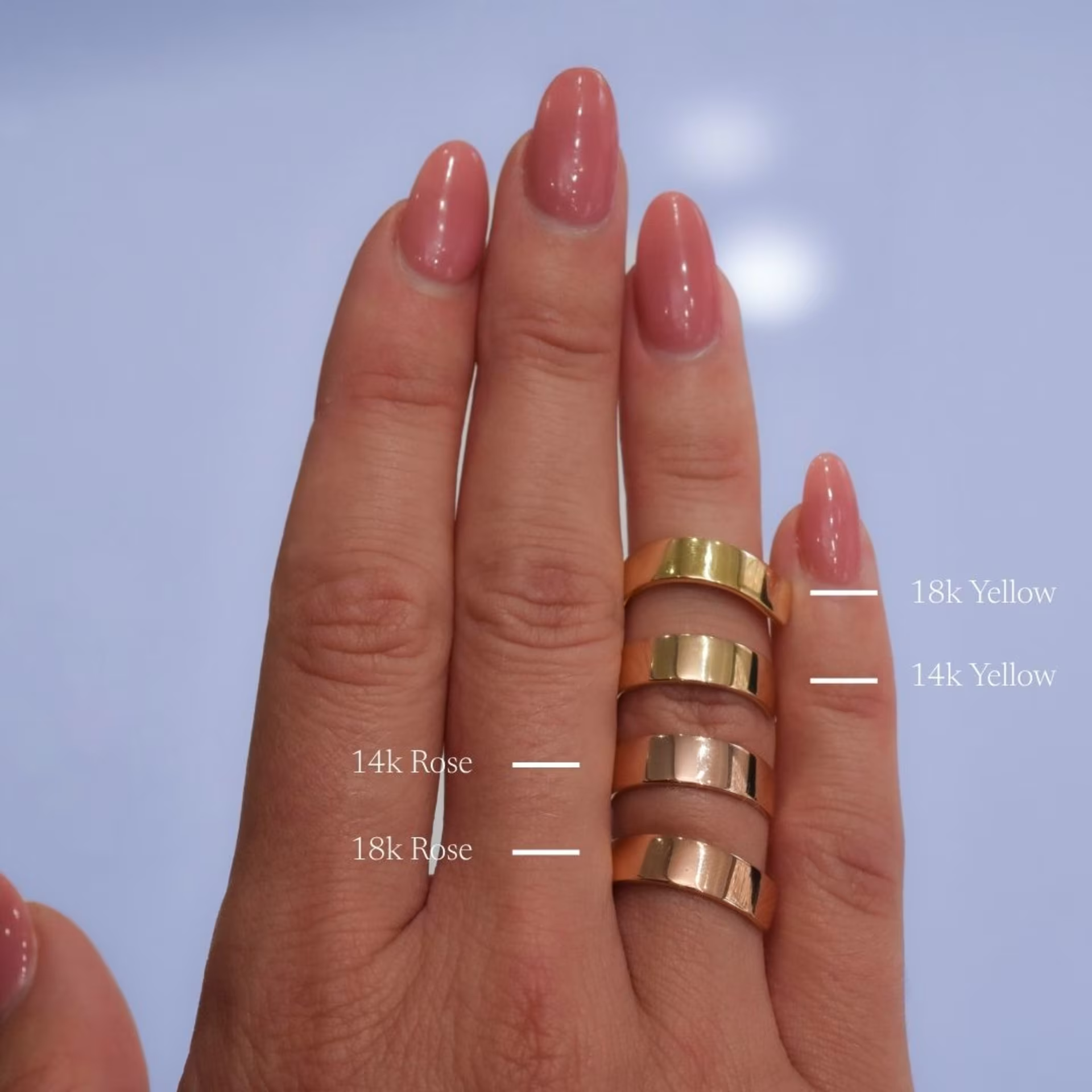
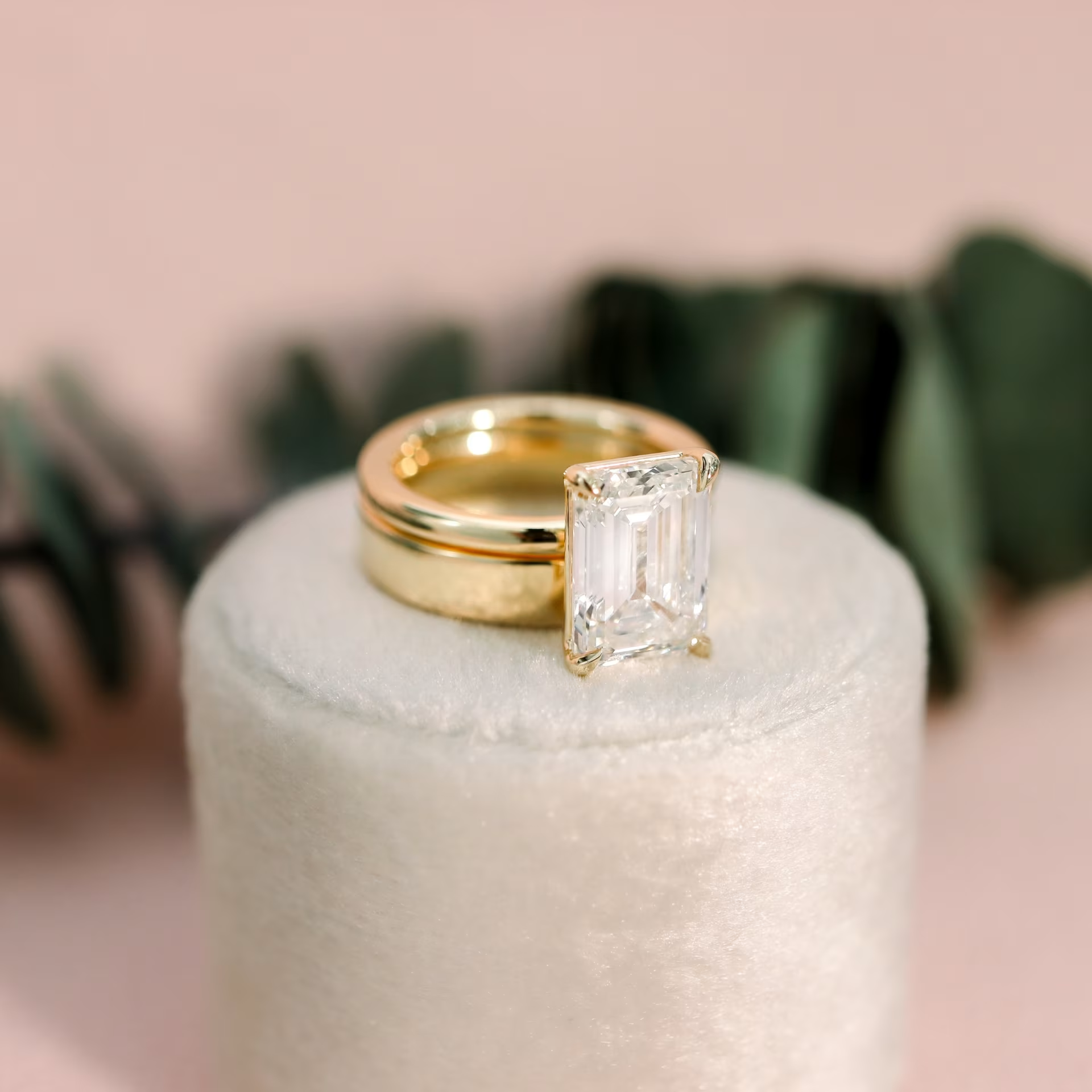
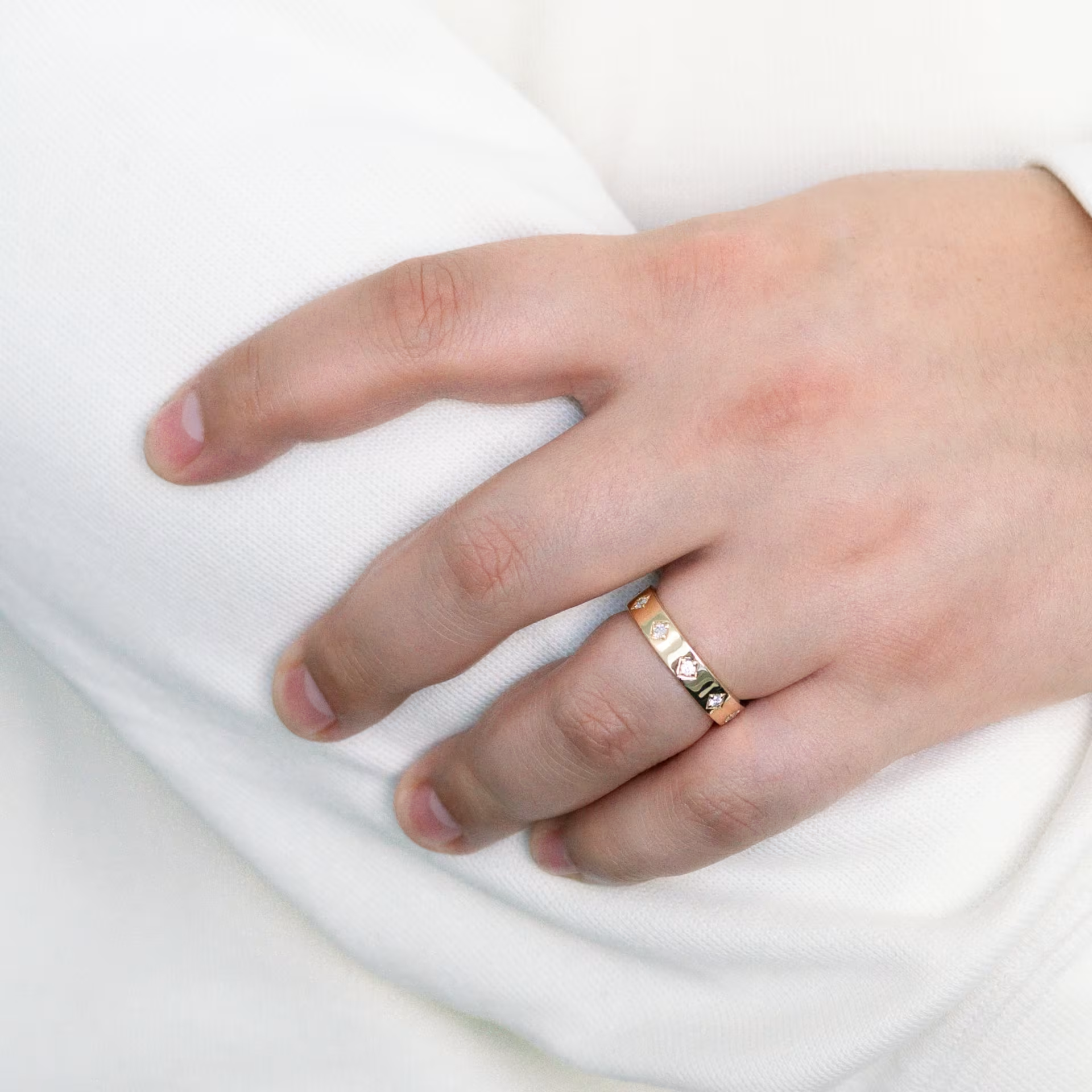
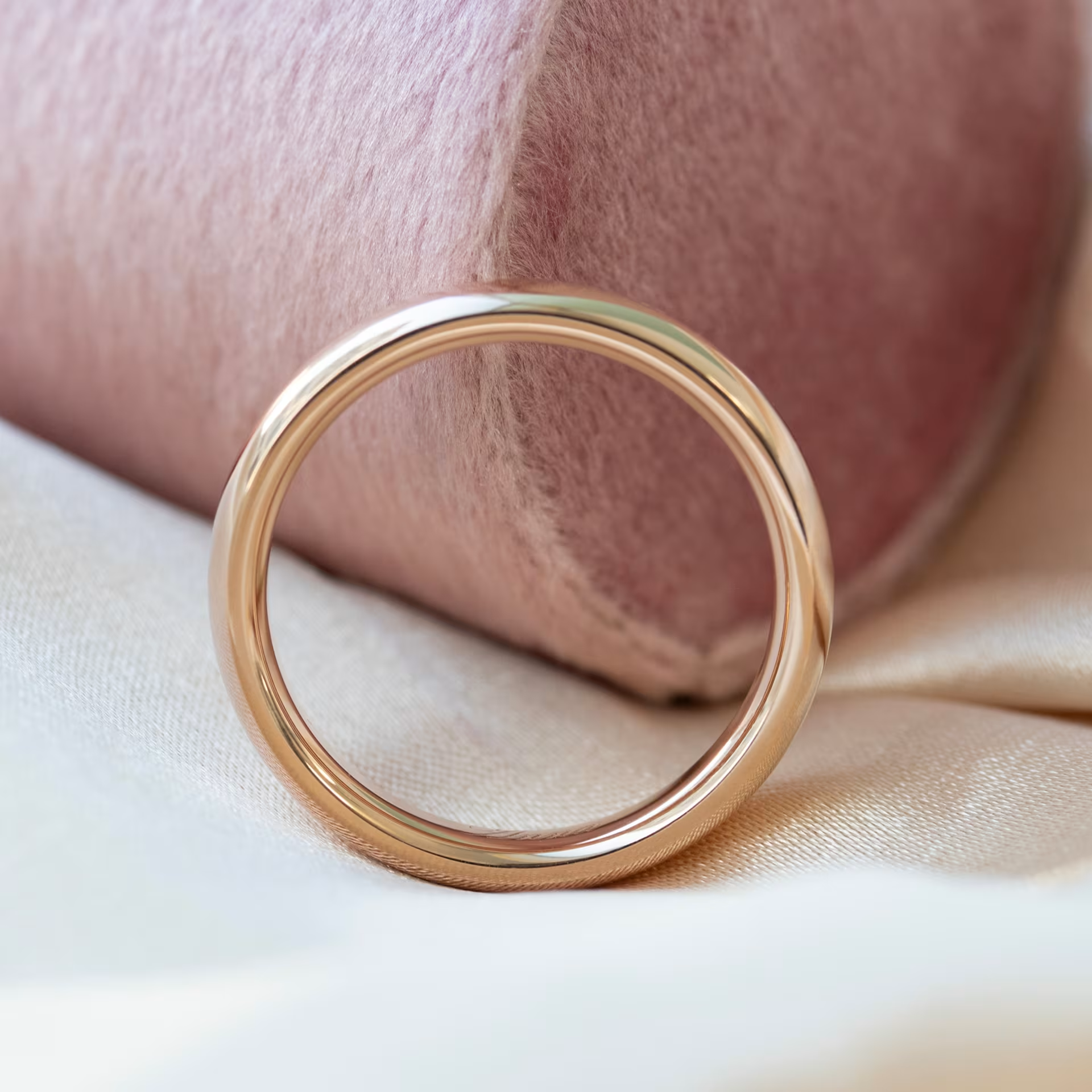
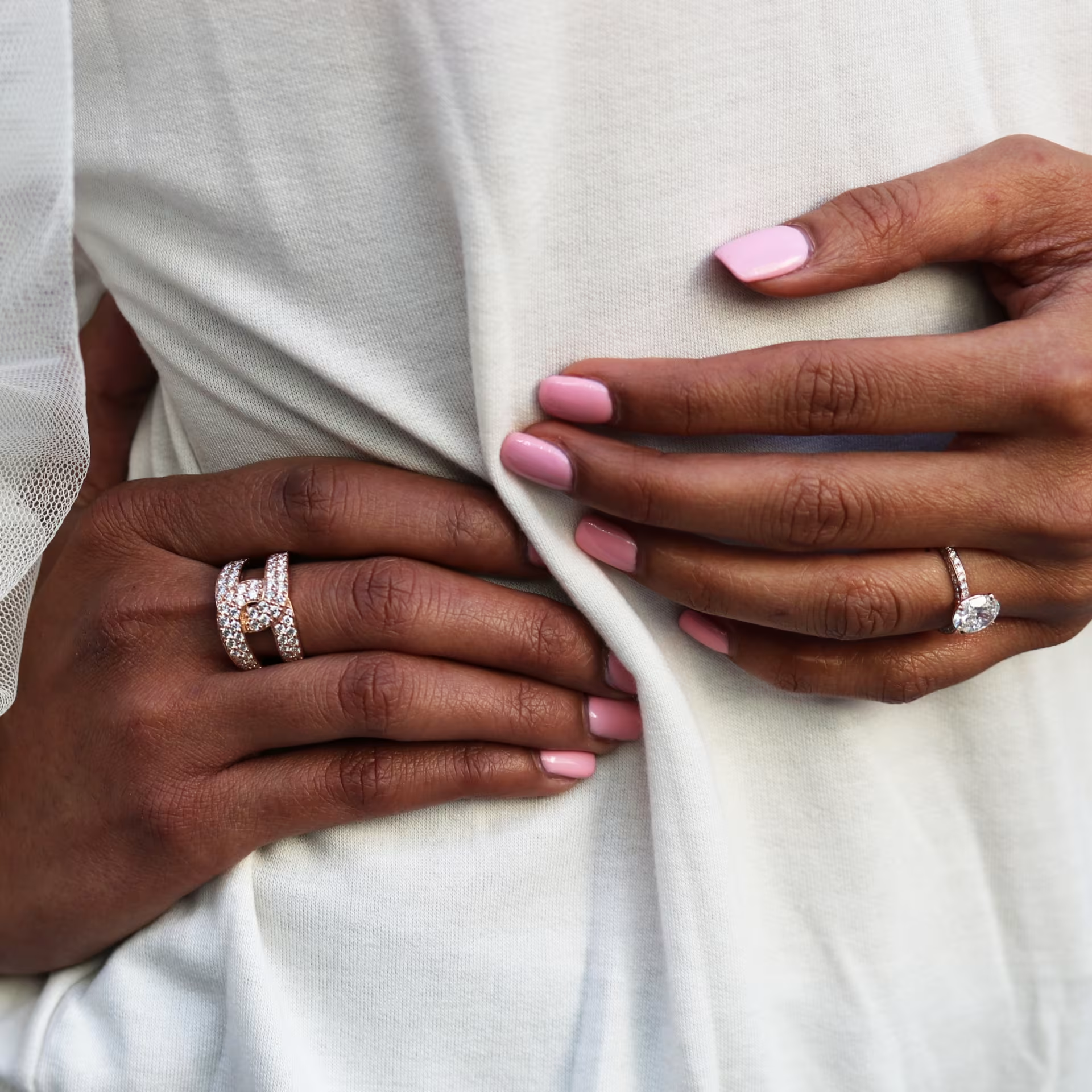
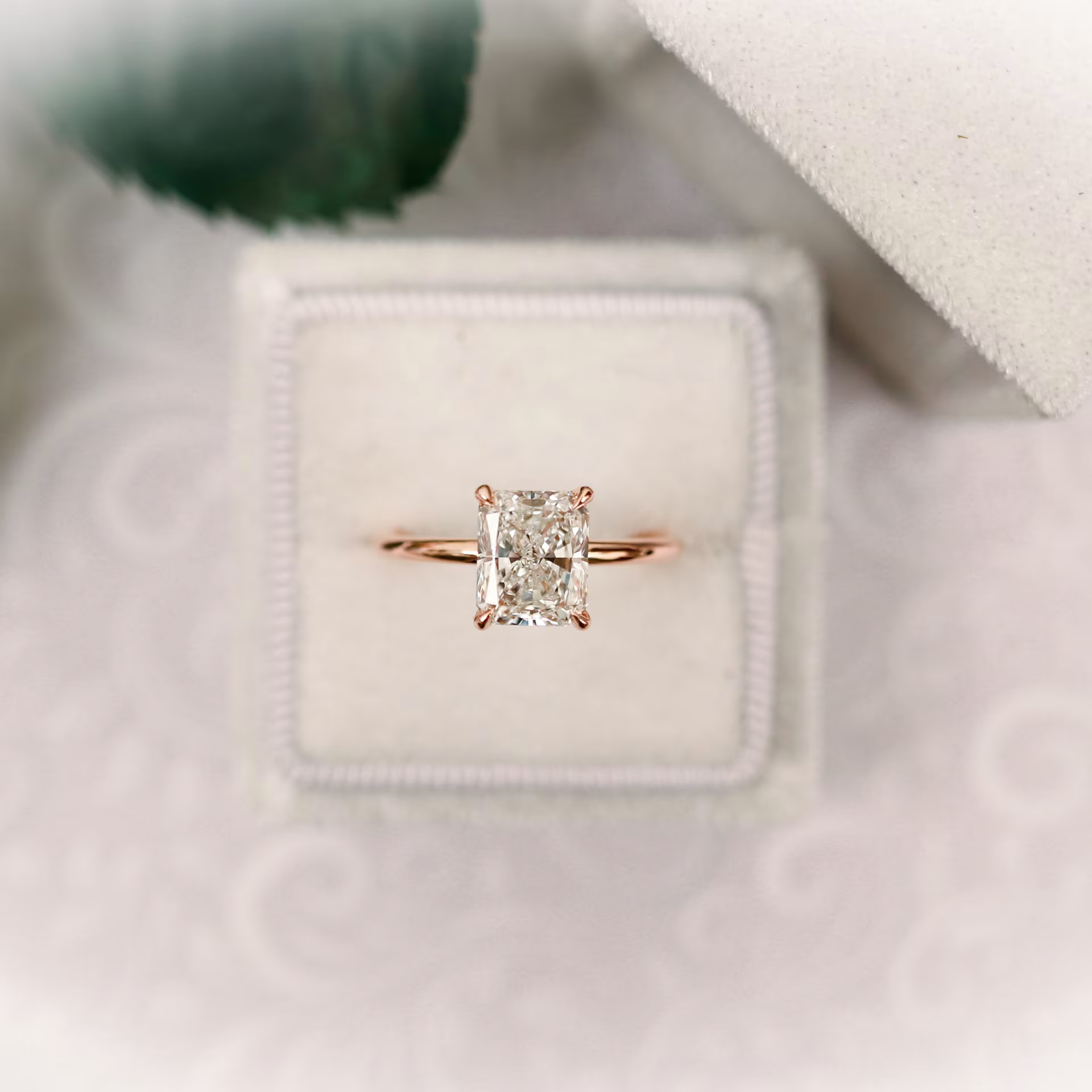
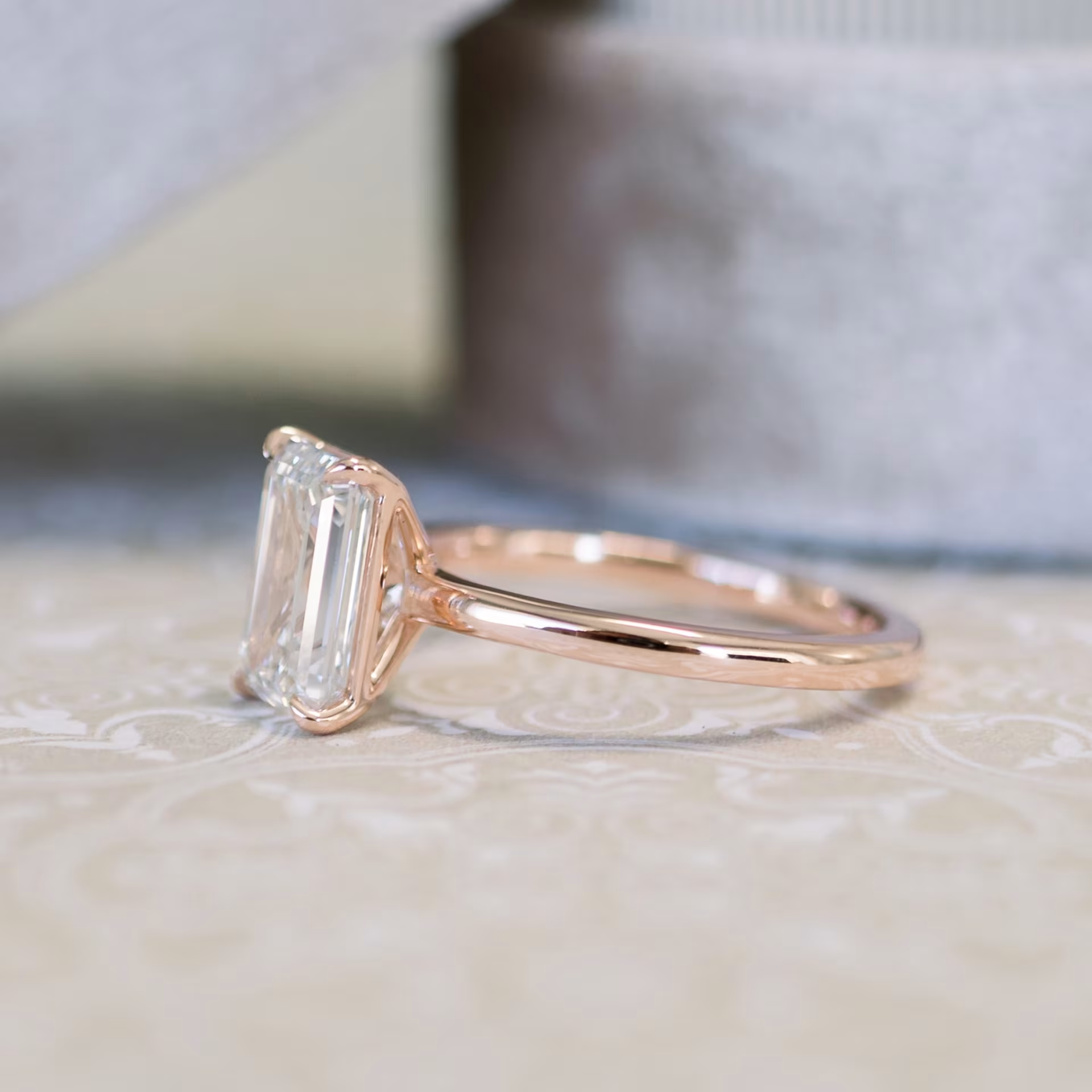
18k yellow gold has a brighter and more vivid appearance. 18k rose gold has a more brassy appearance as opposed to 14k rose gold which is more pink.
These differences are subtle there’s no “better” option here, just personal preference and what you like on your skin tone!
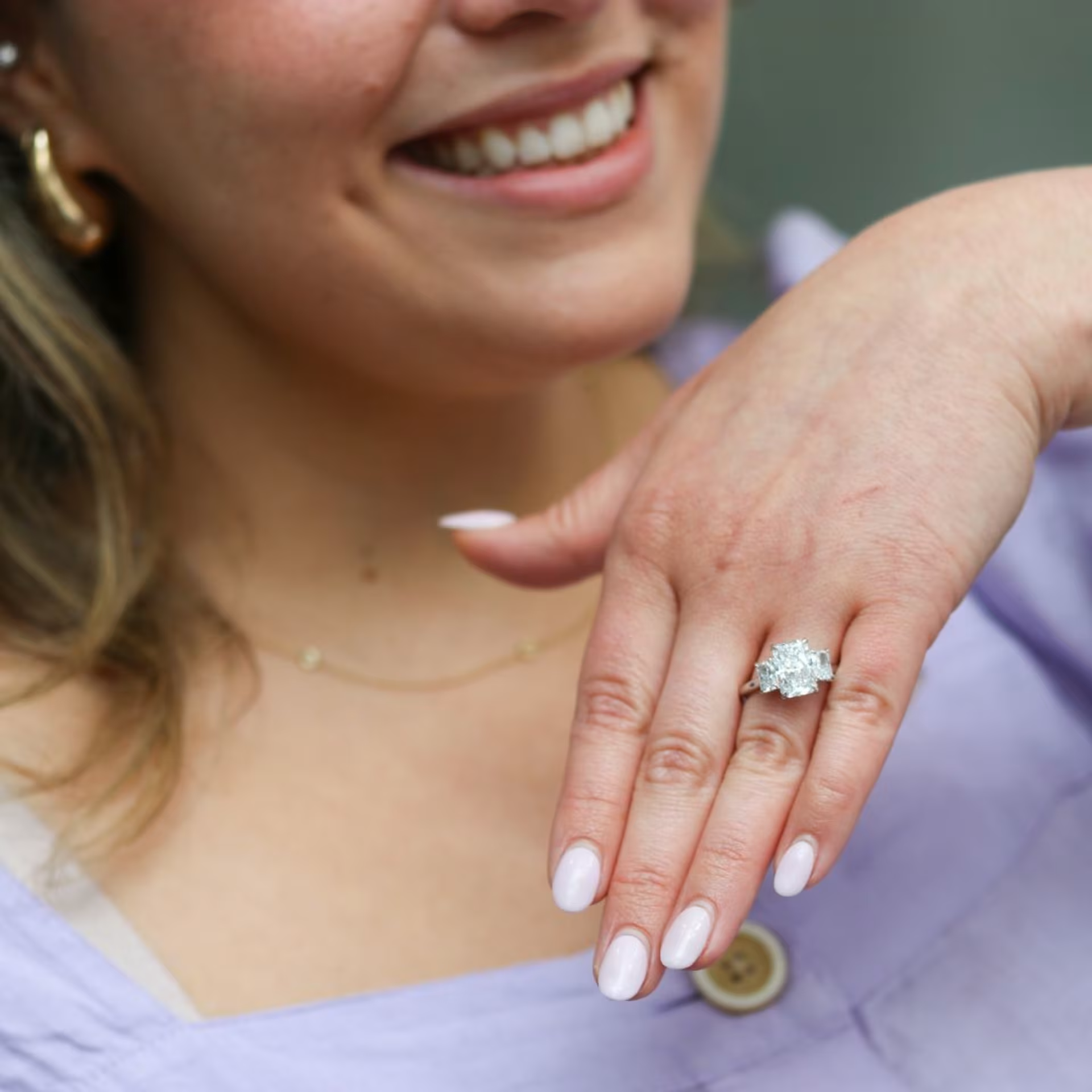
Both 14k and 18k gold are considered safe for most people. However, 18k gold has fewer alloyed metals and is less likely to cause irritation, making it a great option for those with sensitive skin. Still, 14k gold is generally well tolerated and widely worn without issue.
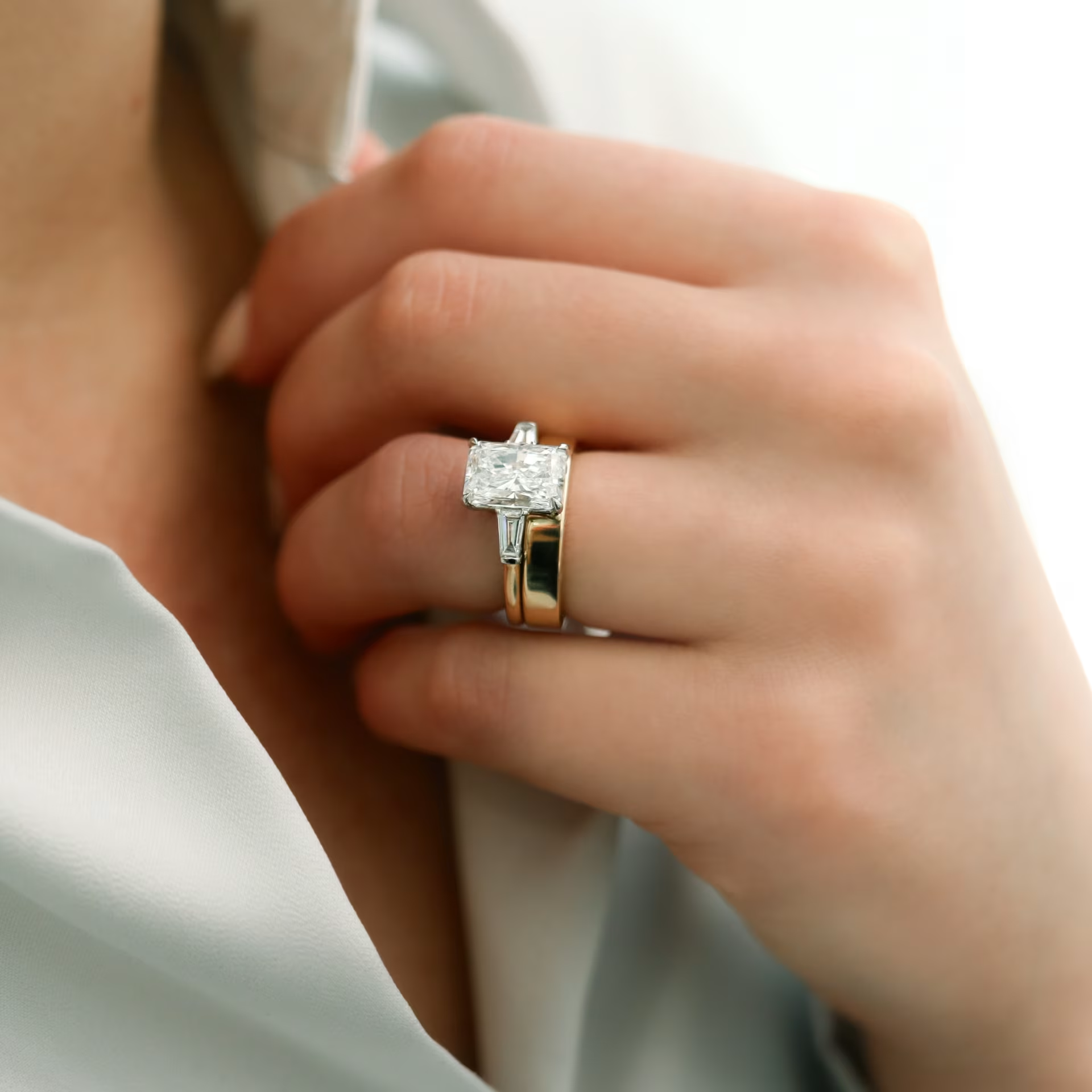
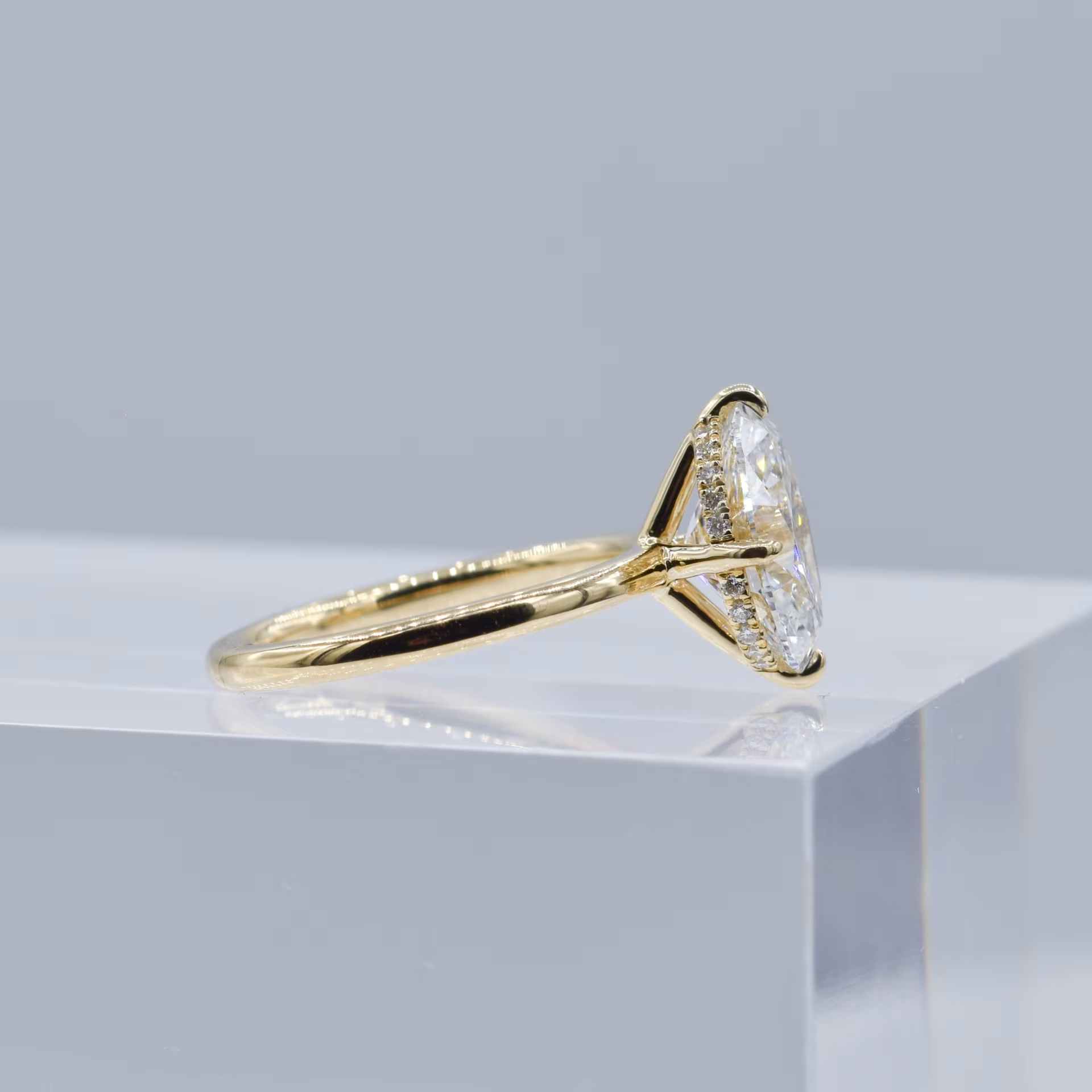
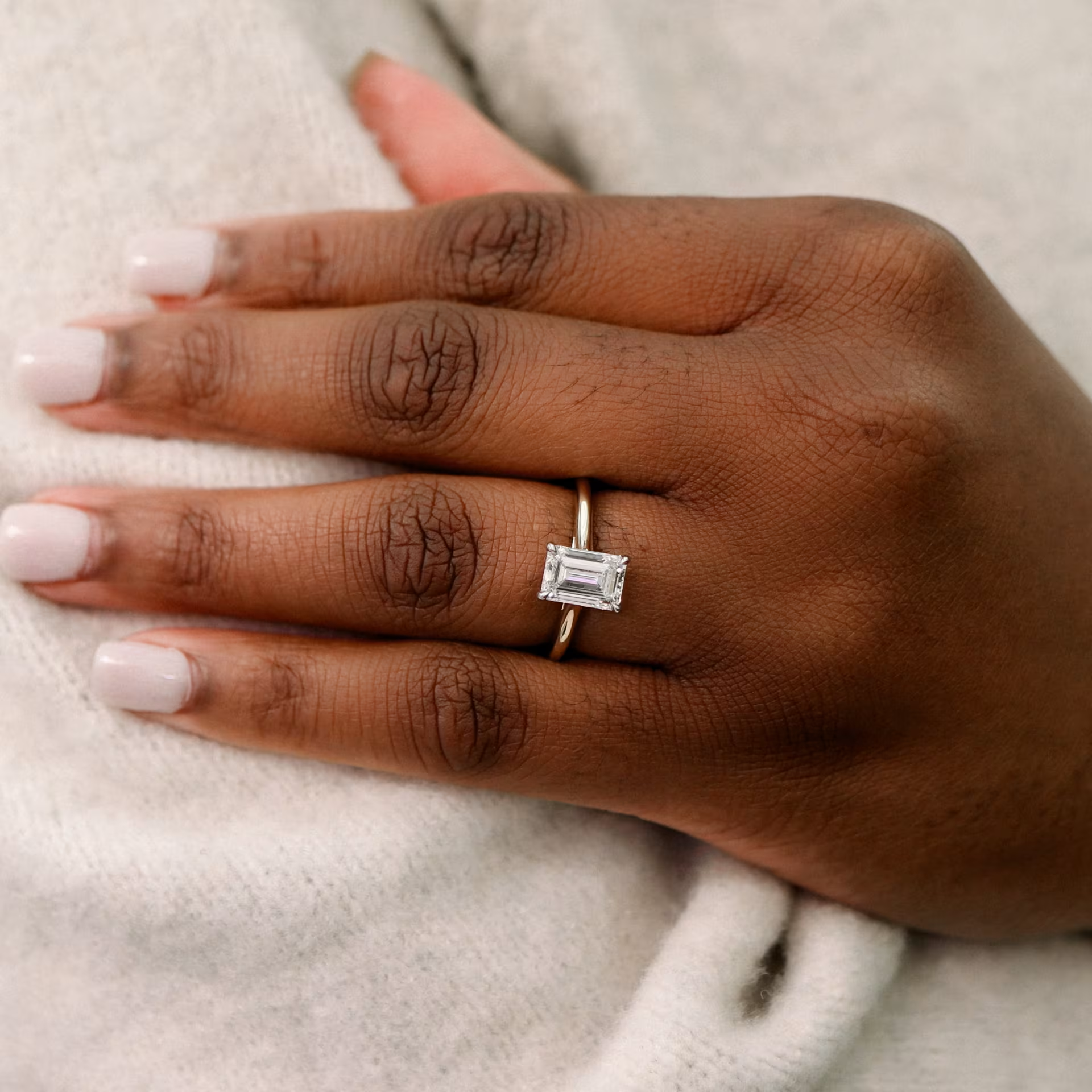
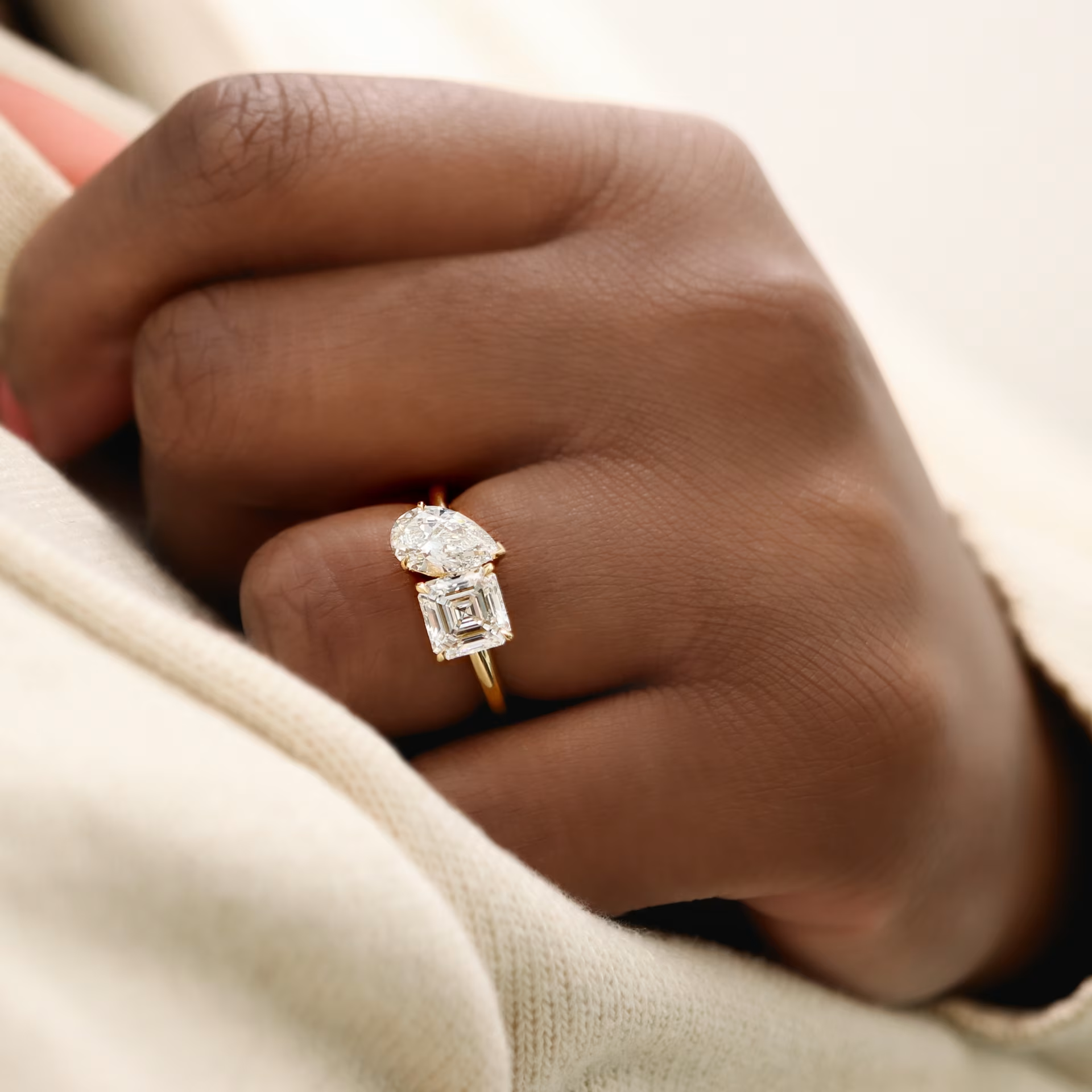
Everything you need to know about lab diamond shapes, from round brilliants to Asscher cuts.
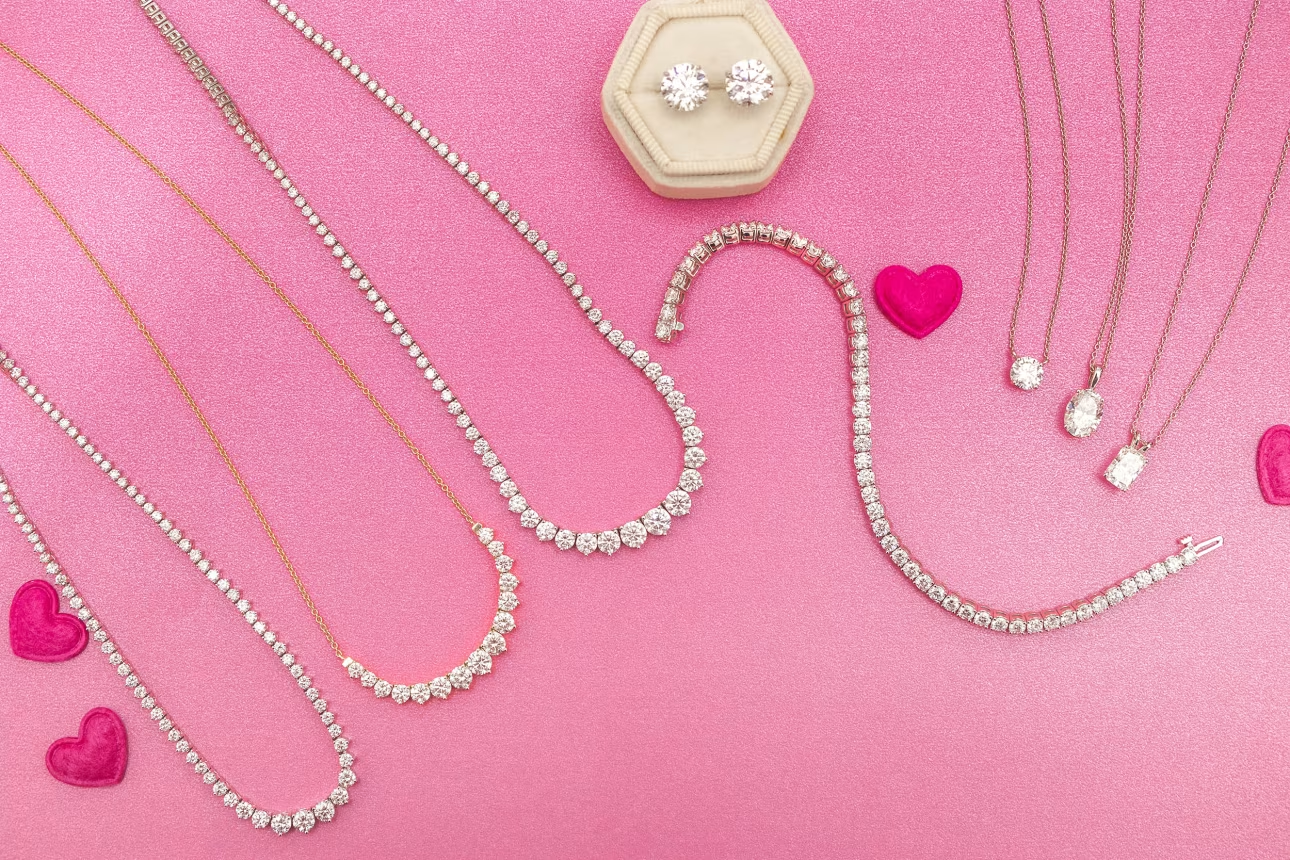
Your guide to lab grown diamond jewelry for milestone anniversaries, from the experts at Ada. Every piece is made to order in our New York flagship with premium, curated lab diamonds
Buying Guide
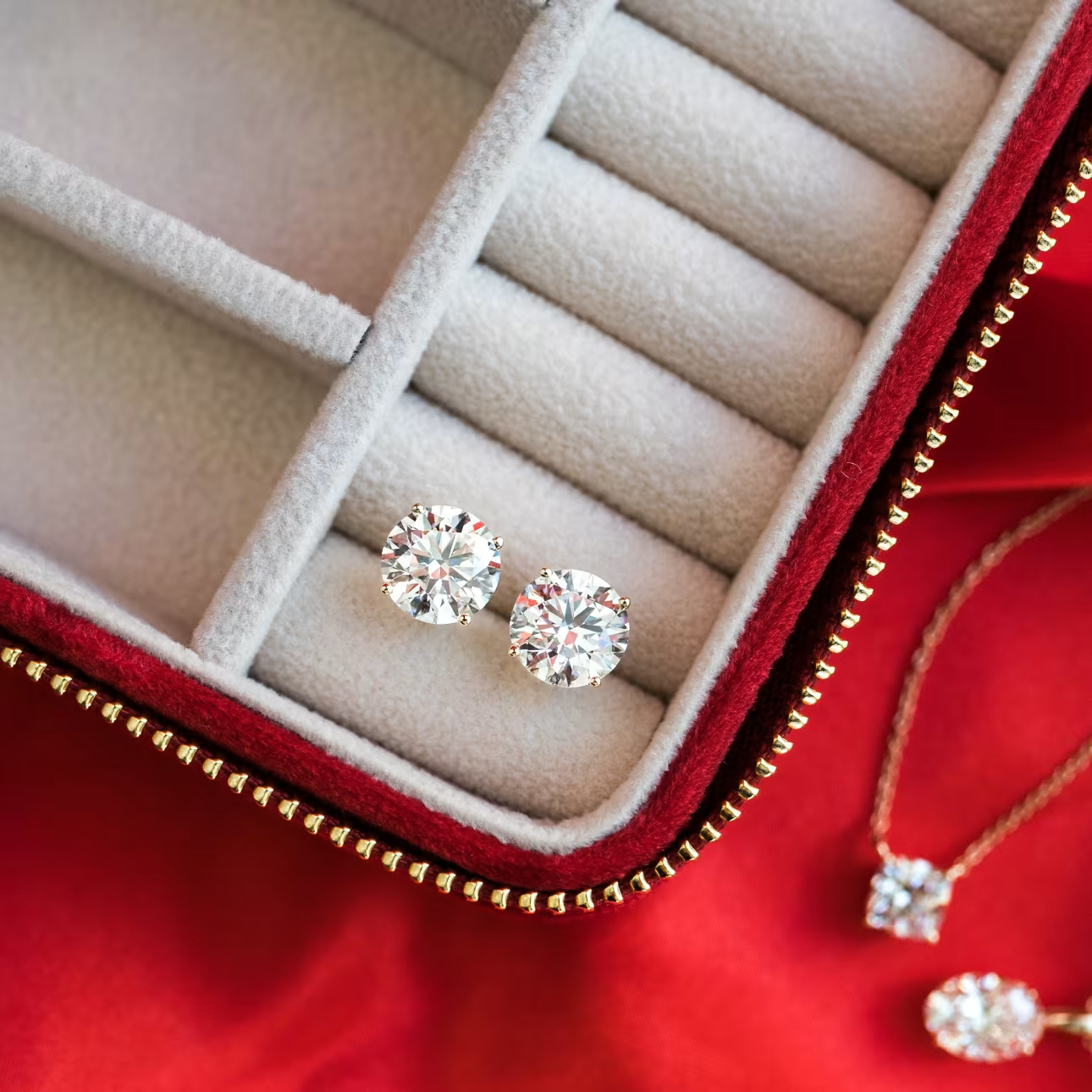
Build a timeless and elegant pair of bespoke stud earrings to match your unique style with Ada's sustainable, conflict-free cultured diamonds.
Ada's design experts break down the difference between 14k and 18k gold.
Metals, Comparisons
Gold remains one of the most popular choices for fine jewelry and engagement rings. You may be wondering, “Should I choose 14k or 18k gold for my engagement ring”? or "Is one better than the other?"
In this guide, our experts break down the difference you can make an informed choice.
“Karat” (abbreviated as “k”) refers to how much pure gold is in a piece of metal. Since pure gold is soft and not ideal for everyday wear, it’s mixed with other metals (like silver, copper, and zinc) to improve durability.
If you live a very active or hands-on lifestyle, 14k gold is typically the better choice. It’s more resistant to scratches, dings, and signs of wear.
18k gold is softer and more prone to scratches. If your jewelry is primarily worn on special occasions or you prefer the softer look of 18k gold, it may be the ideal choice for you. There’s nothing wrong with having either!
18k yellow gold has a brighter and more vivid appearance. 18k rose gold has a more brassy appearance as opposed to 14k rose gold which is more pink.
These differences are subtle there’s no “better” option here, just personal preference and what you like on your skin tone!
Both 14k and 18k gold are considered safe for most people. However, 18k gold has fewer alloyed metals and is less likely to cause irritation, making it a great option for those with sensitive skin. Still, 14k gold is generally well tolerated and widely worn without issue.
Everything you need to know about lab diamond shapes, from round brilliants to Asscher cuts.
Your guide to lab grown diamond jewelry for milestone anniversaries, from the experts at Ada. Every piece is made to order in our New York flagship with premium, curated lab diamonds
Buying Guide
Build a timeless and elegant pair of bespoke stud earrings to match your unique style with Ada's sustainable, conflict-free cultured diamonds.