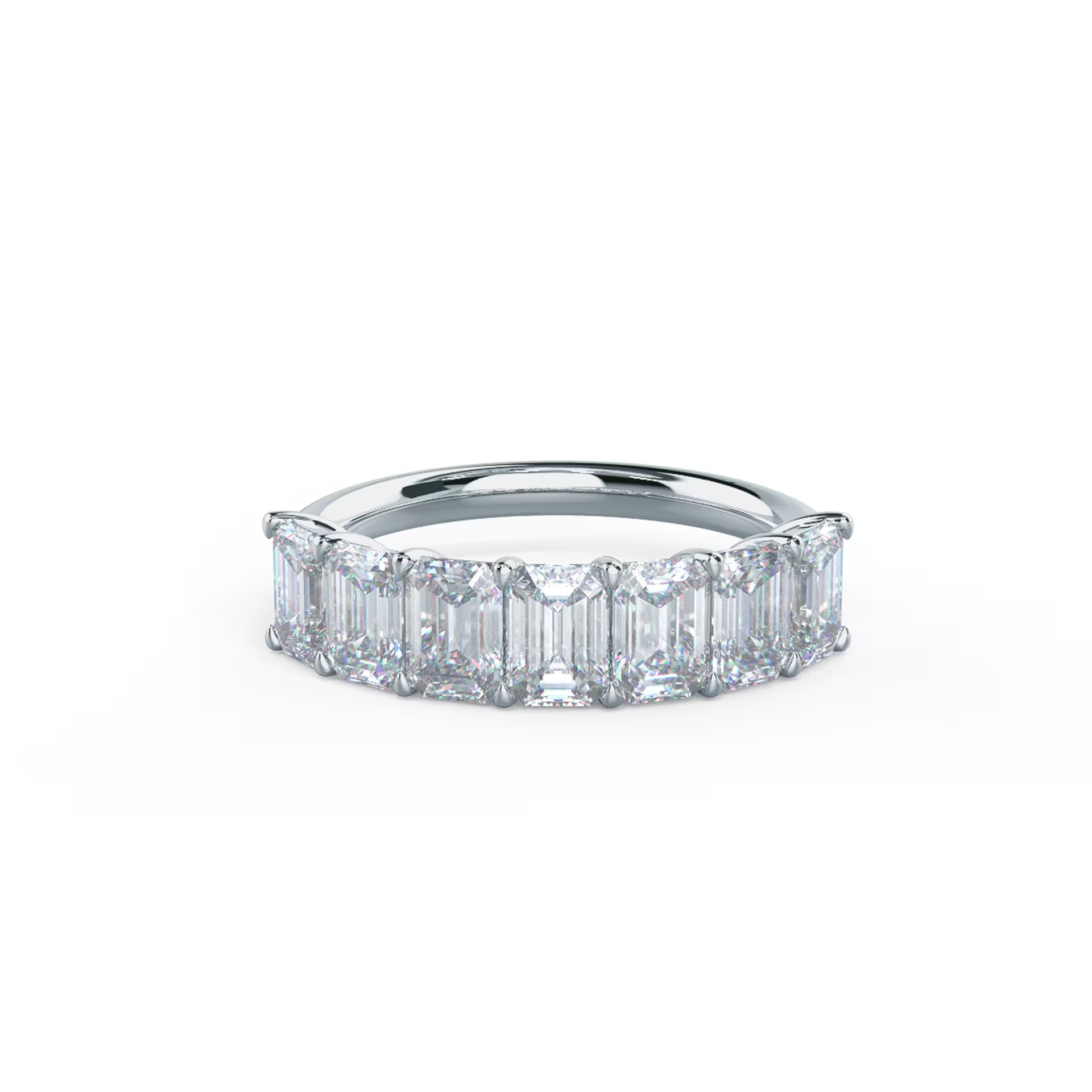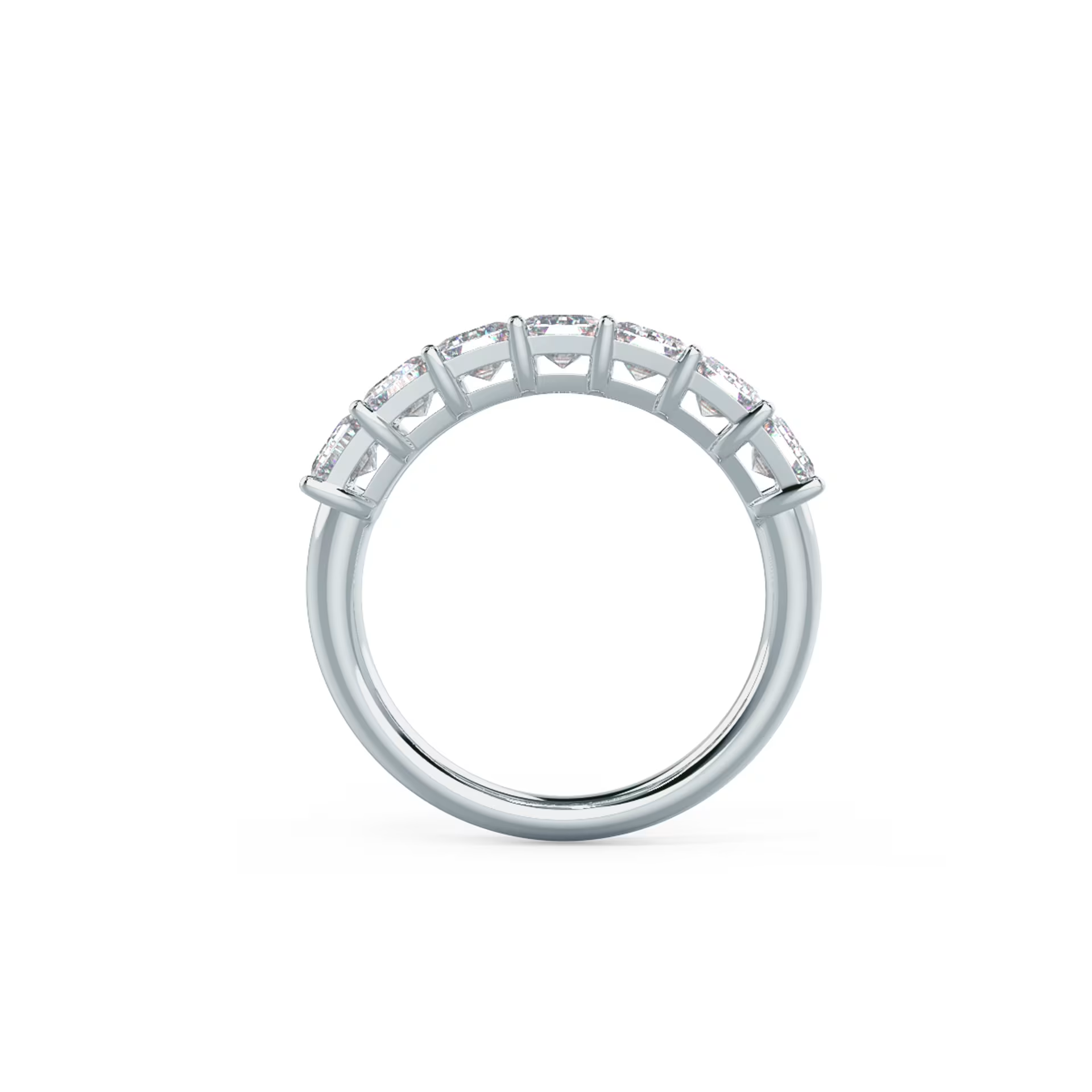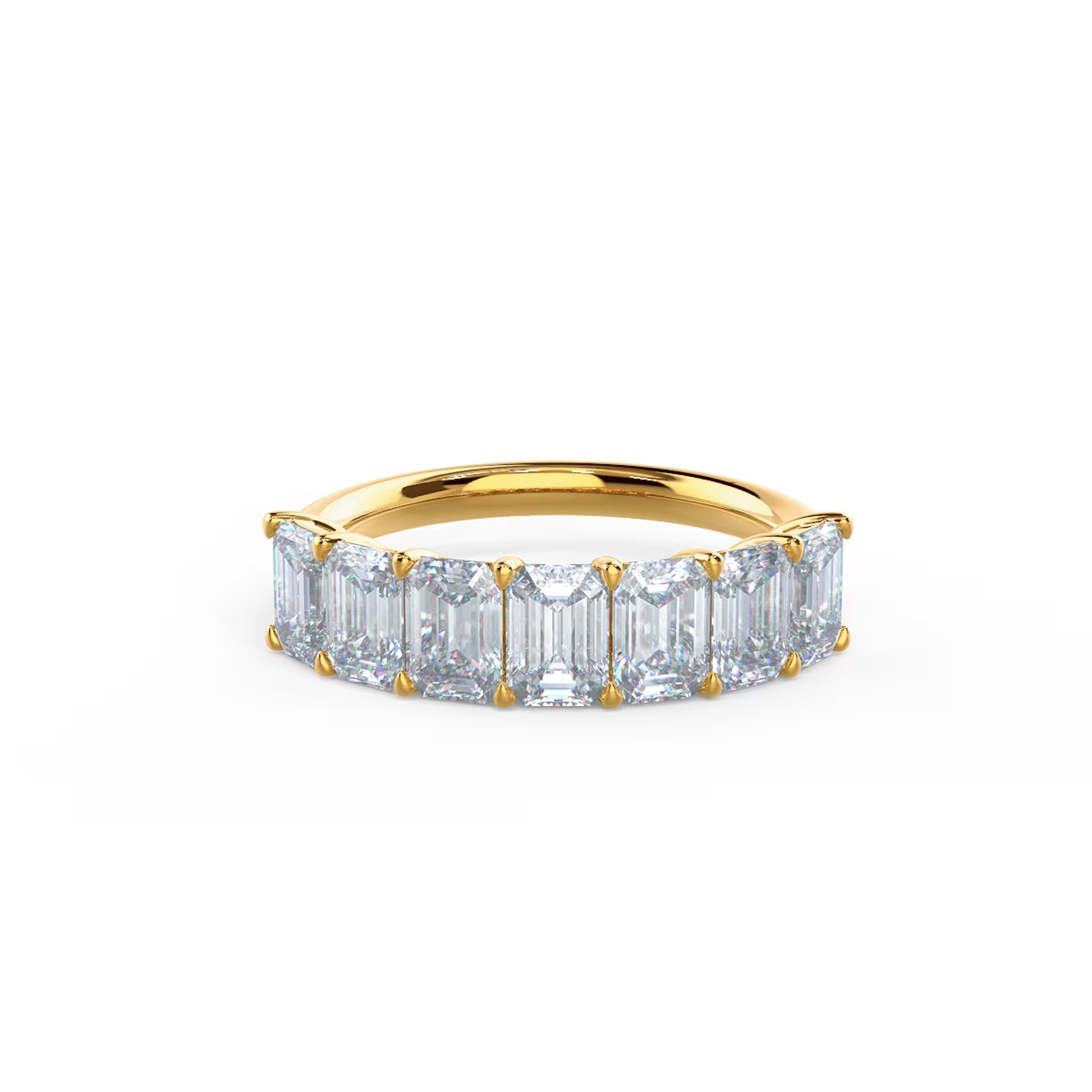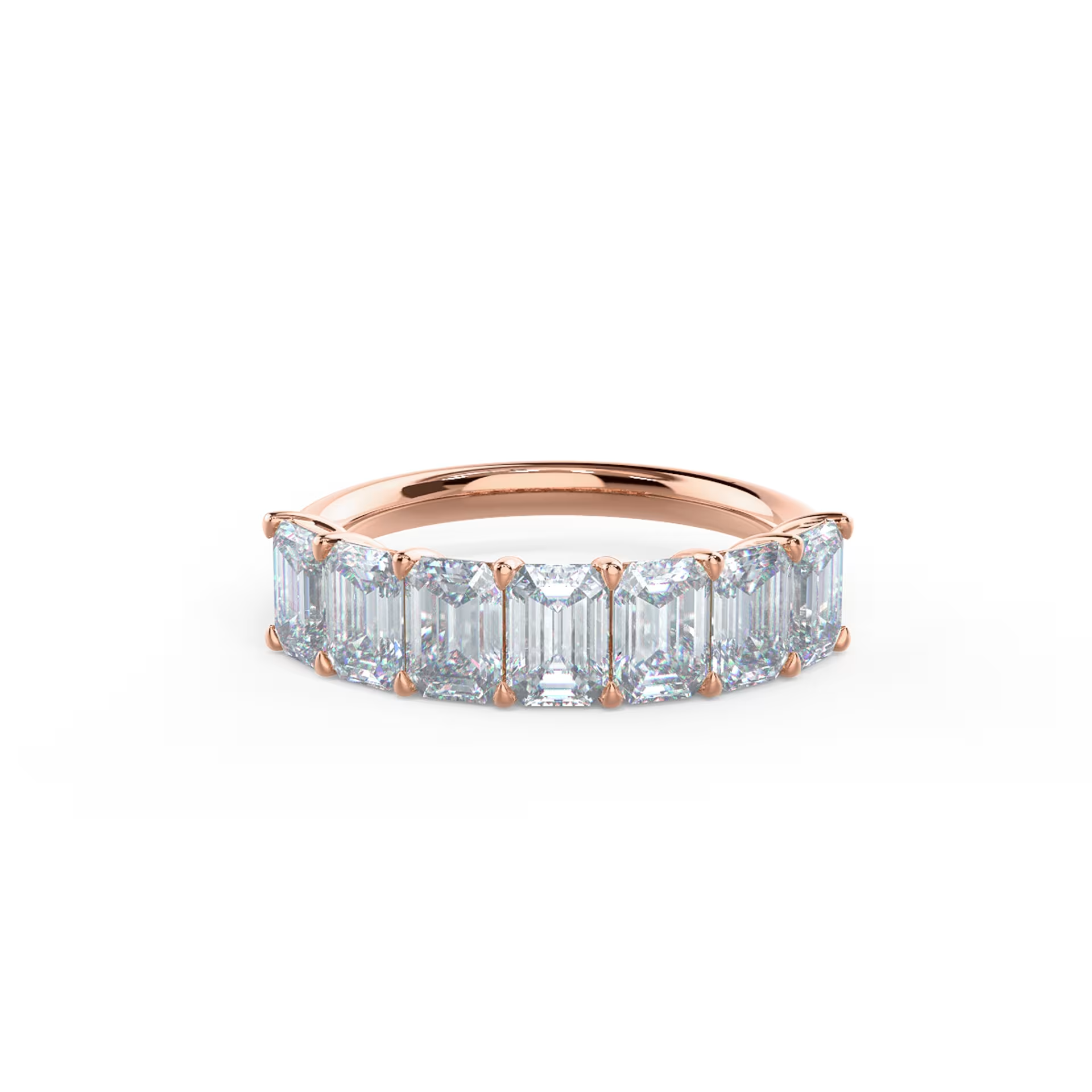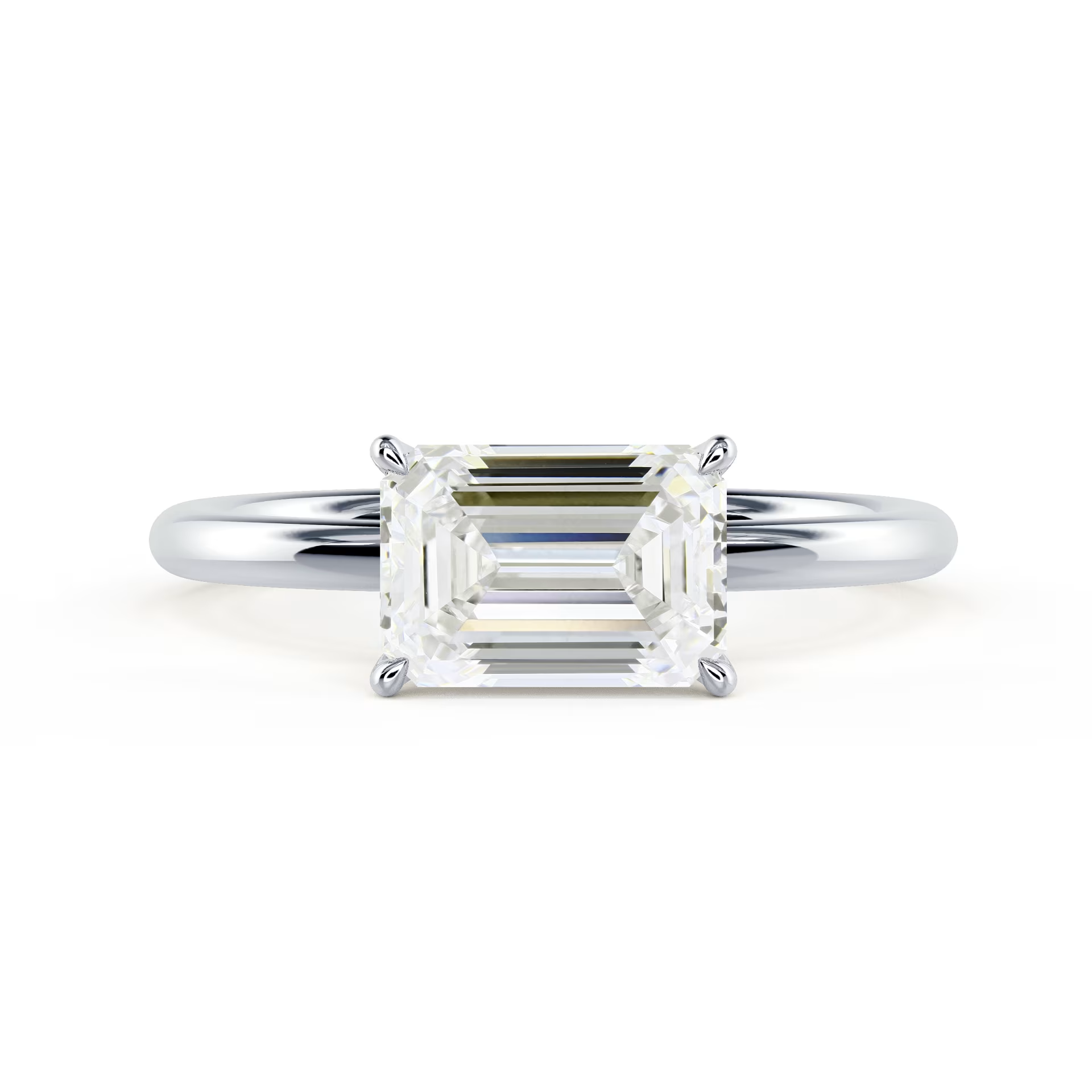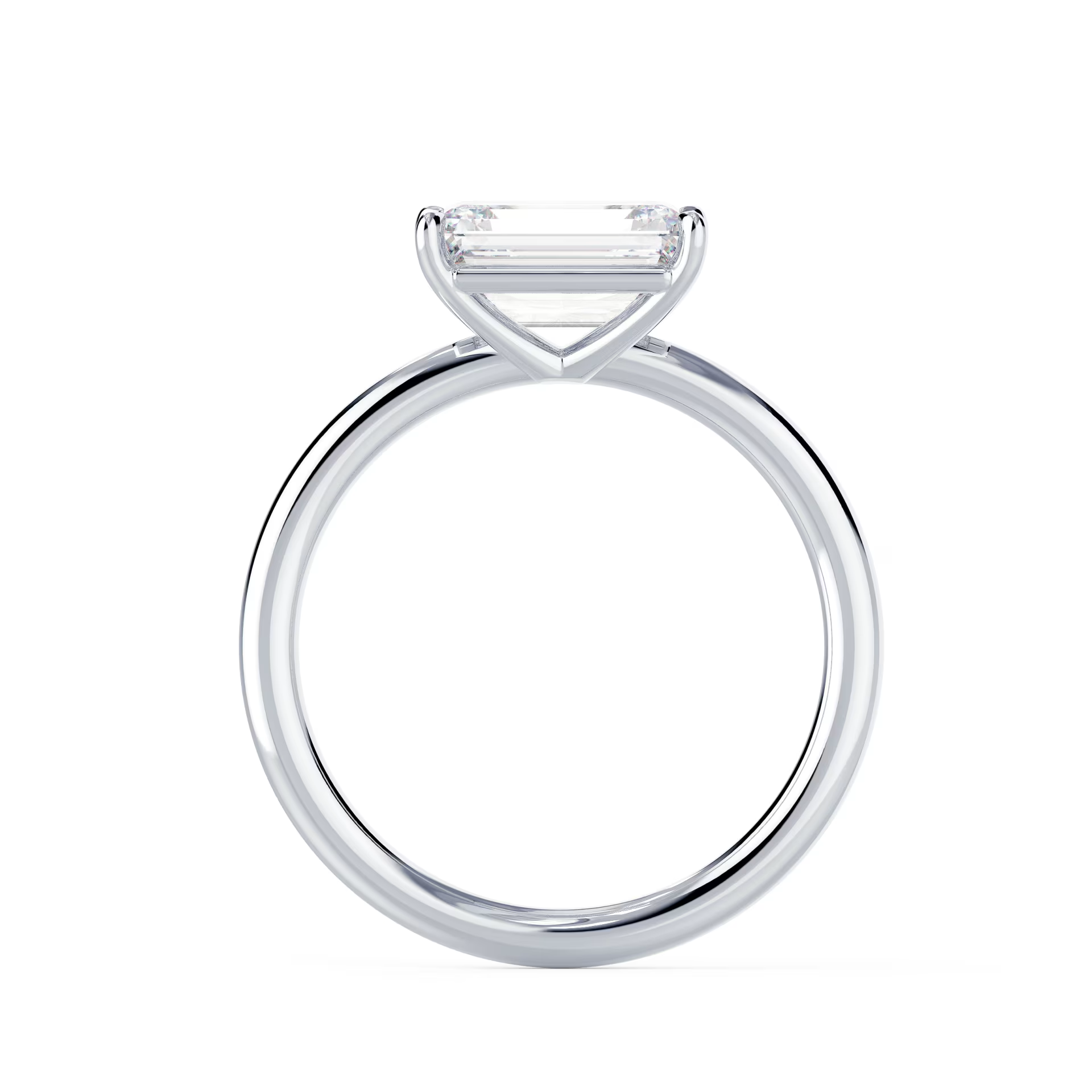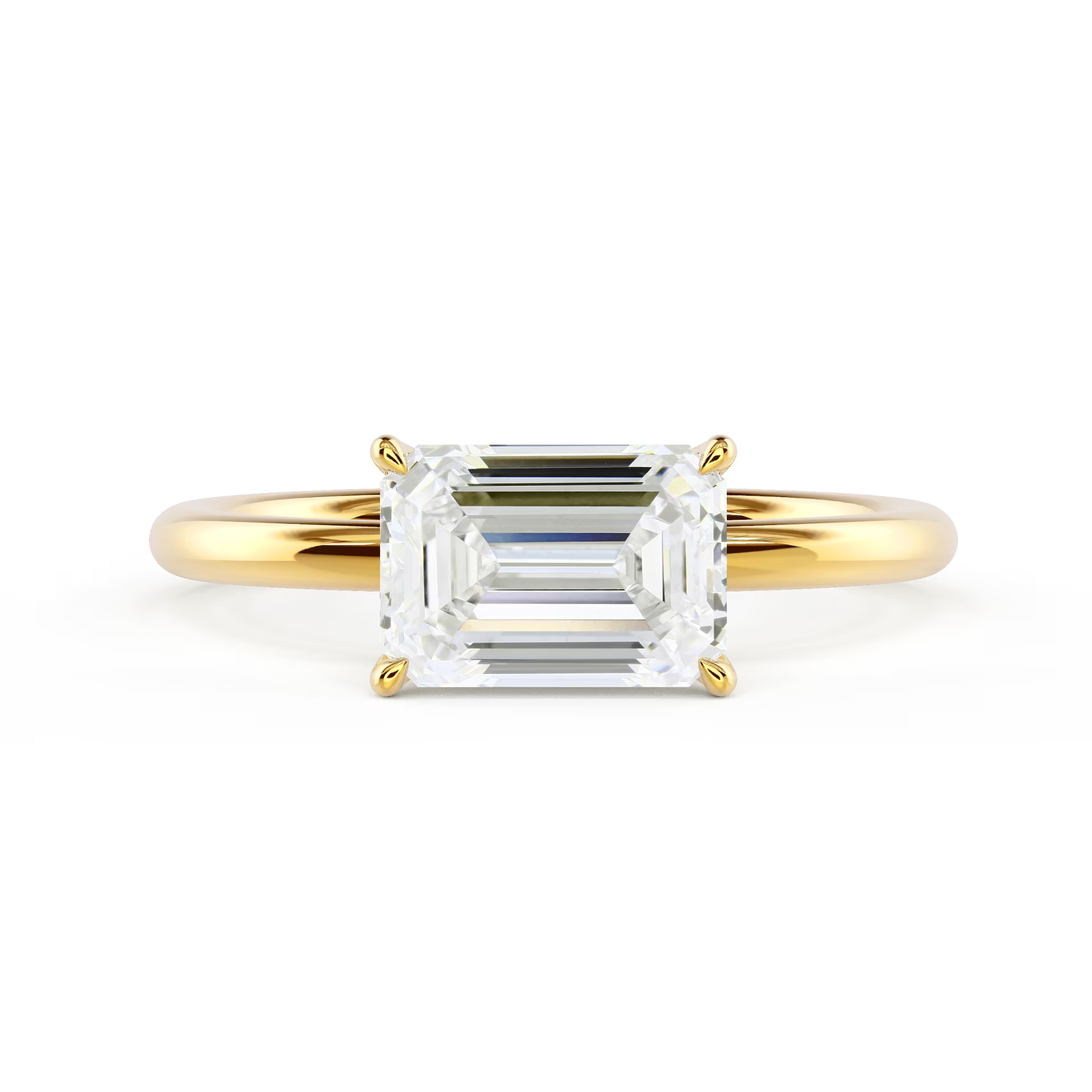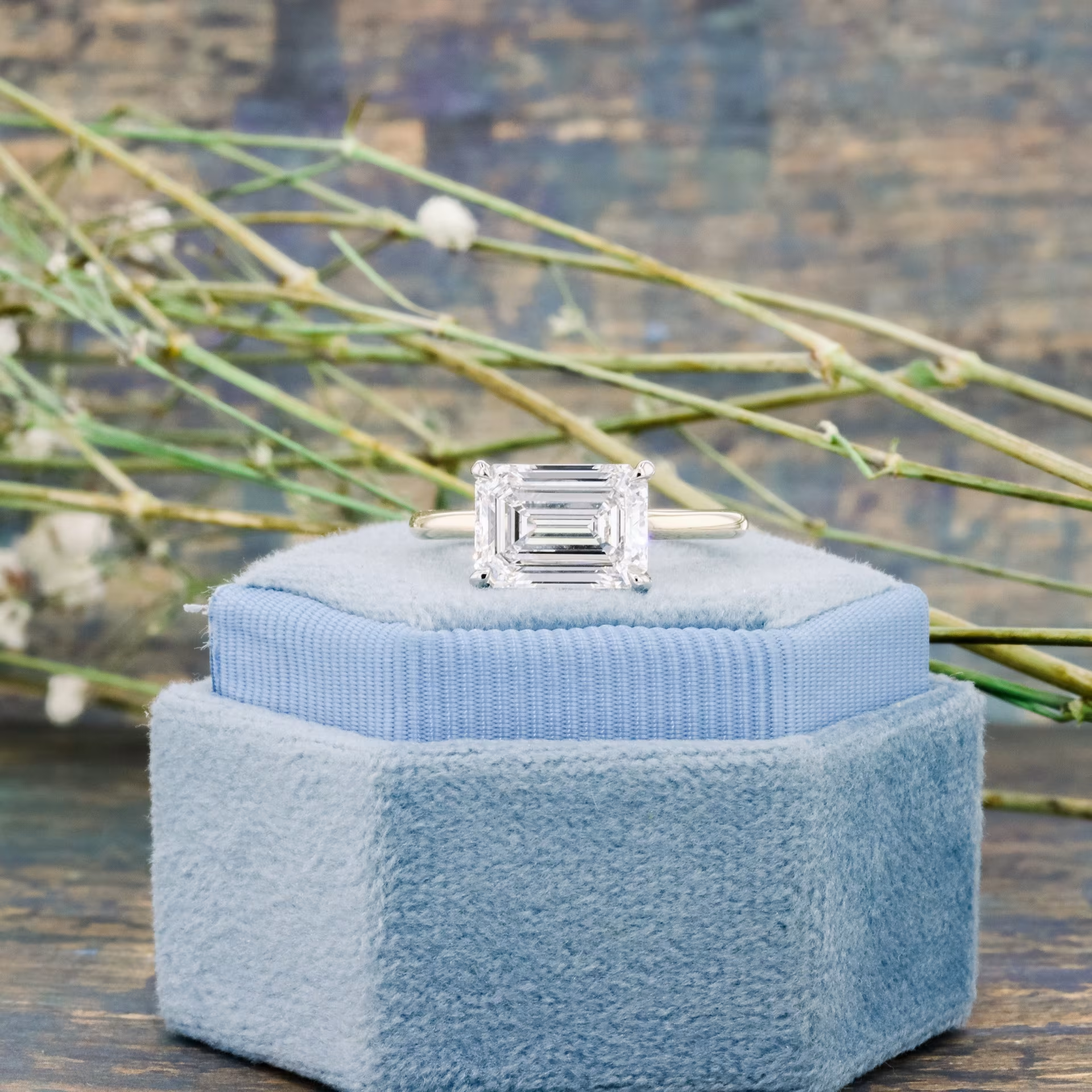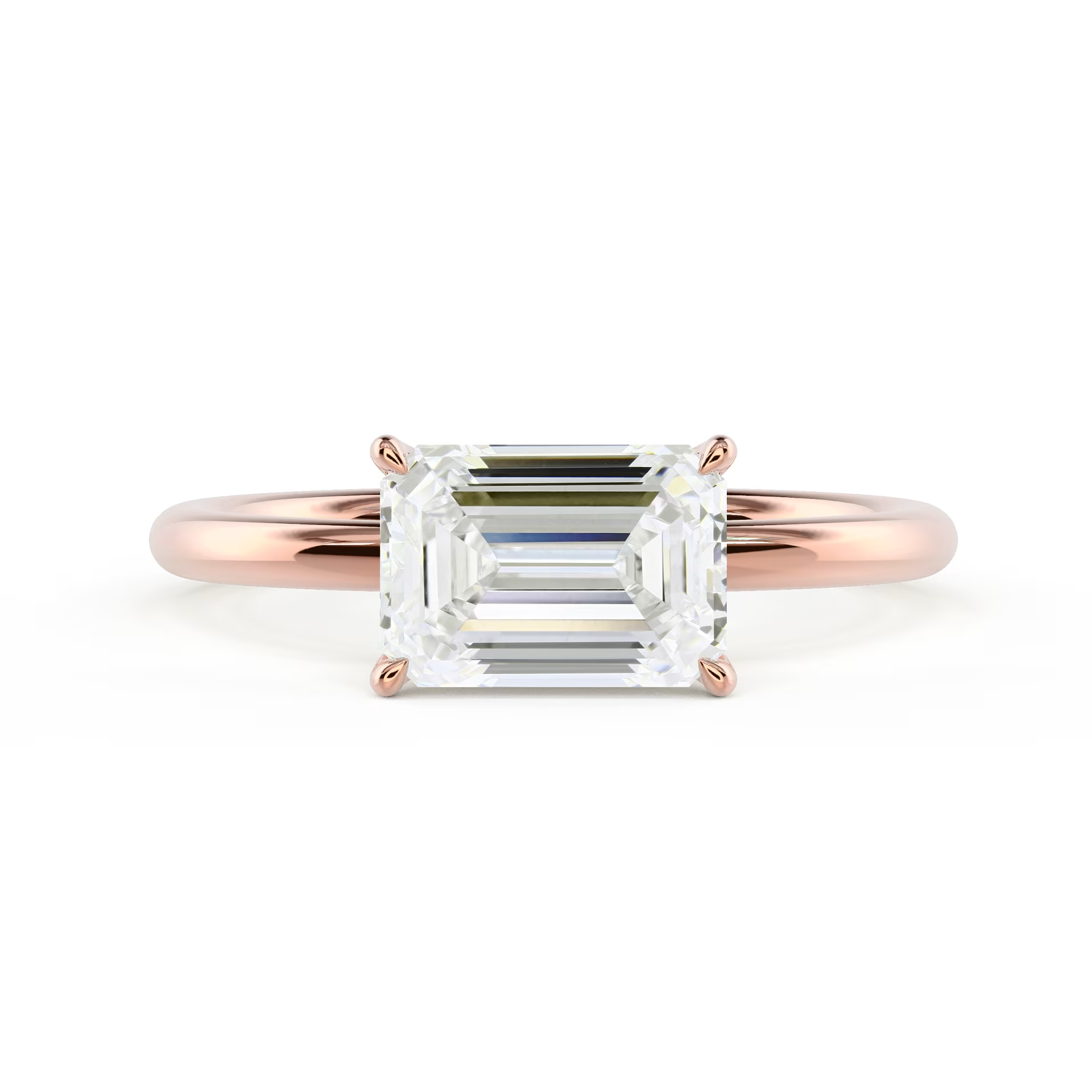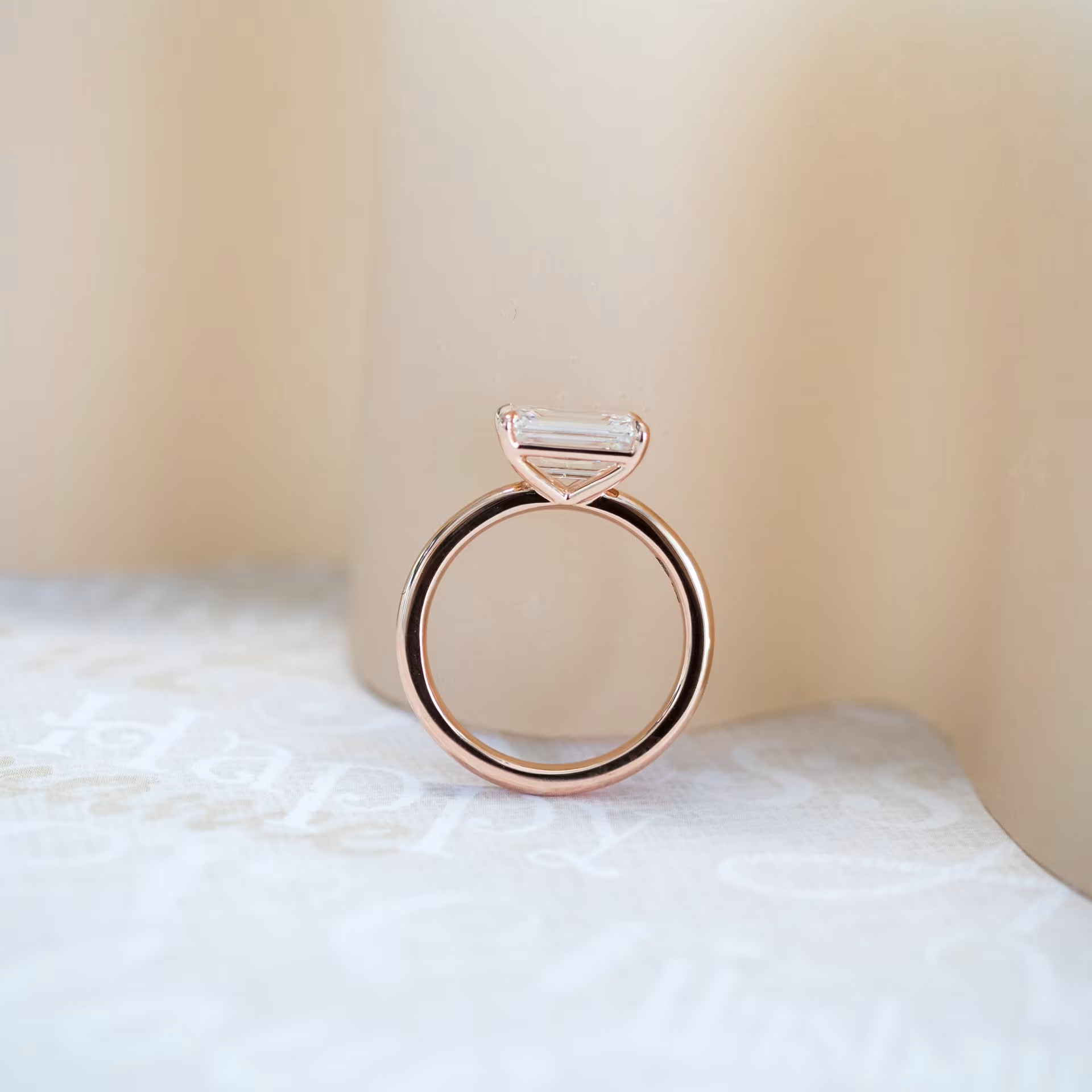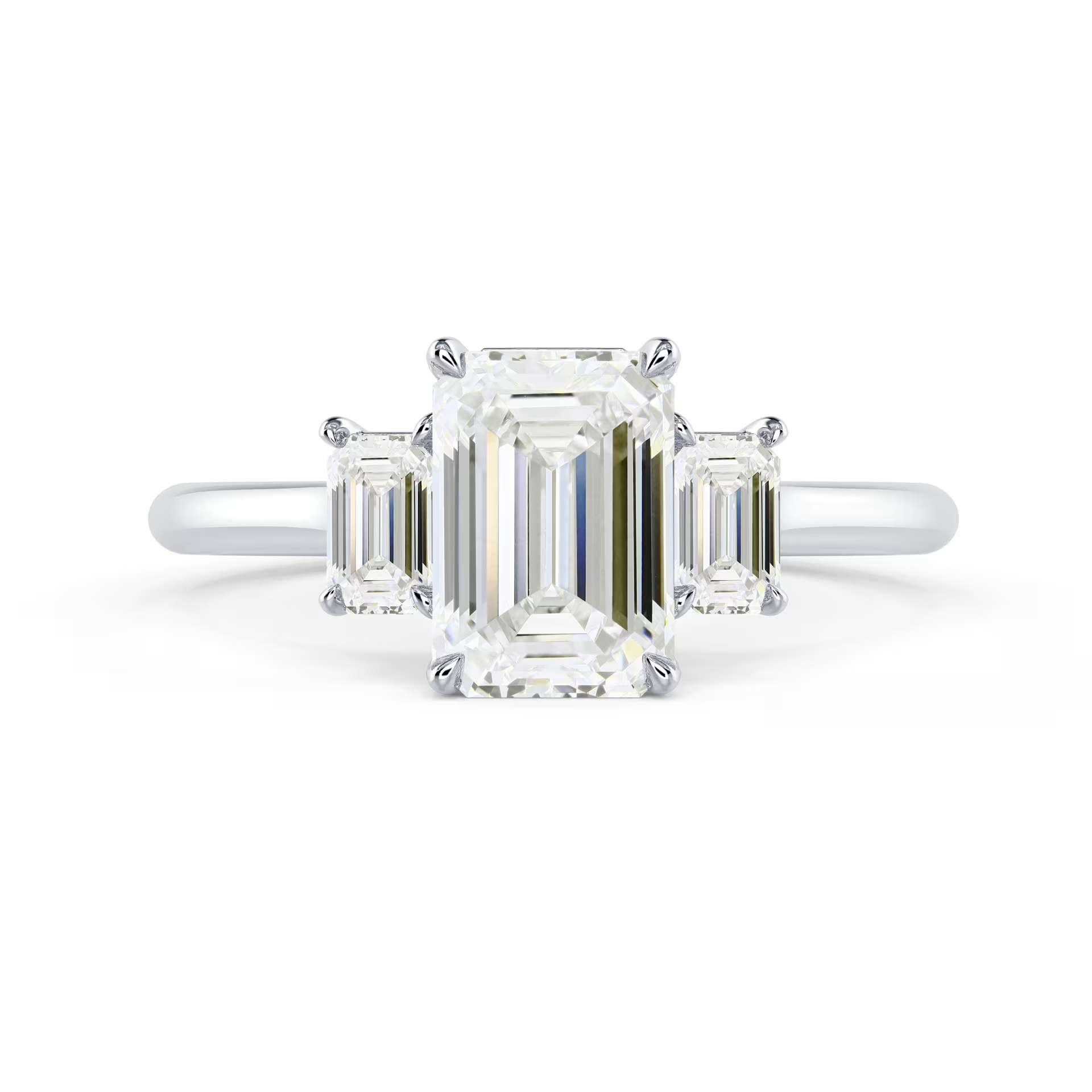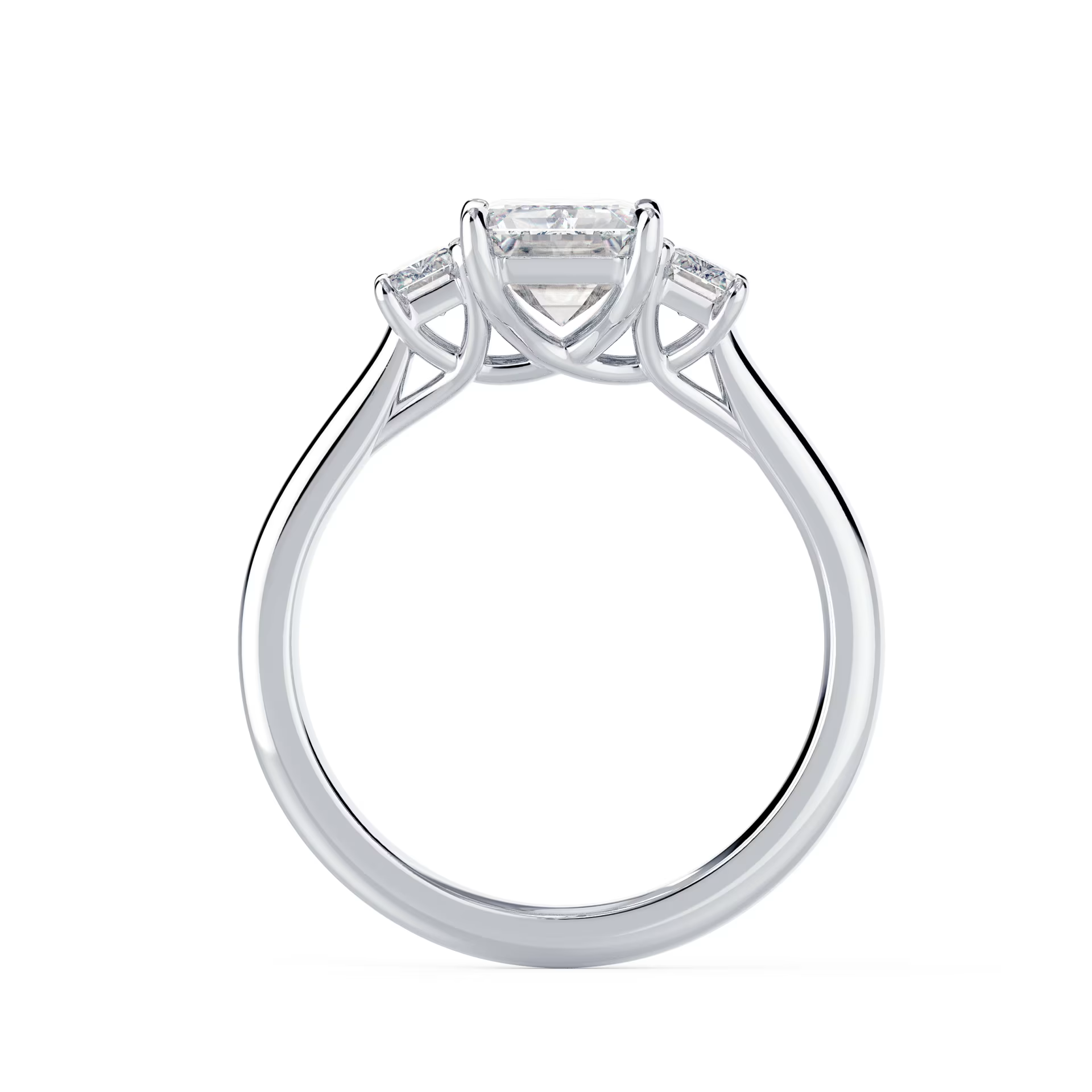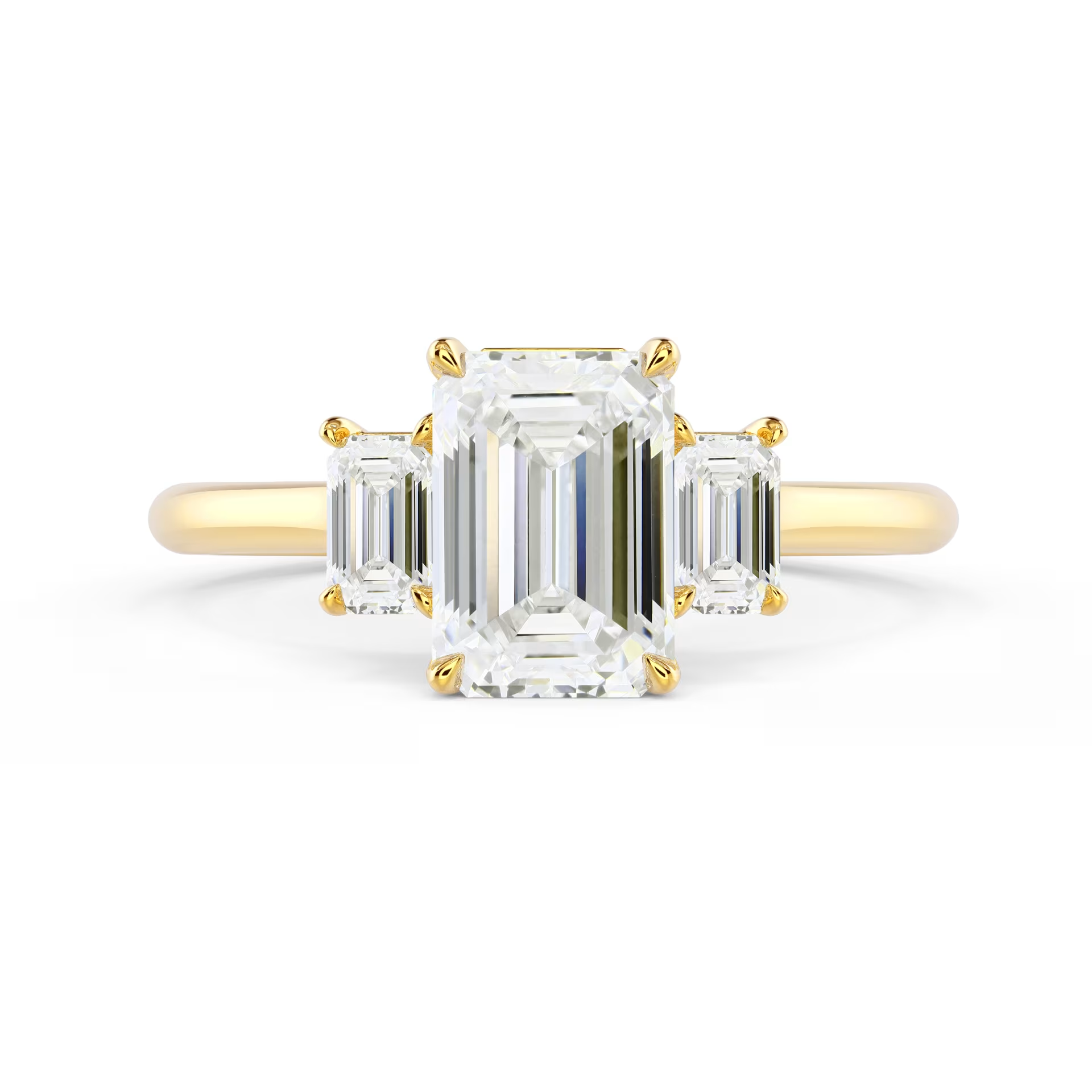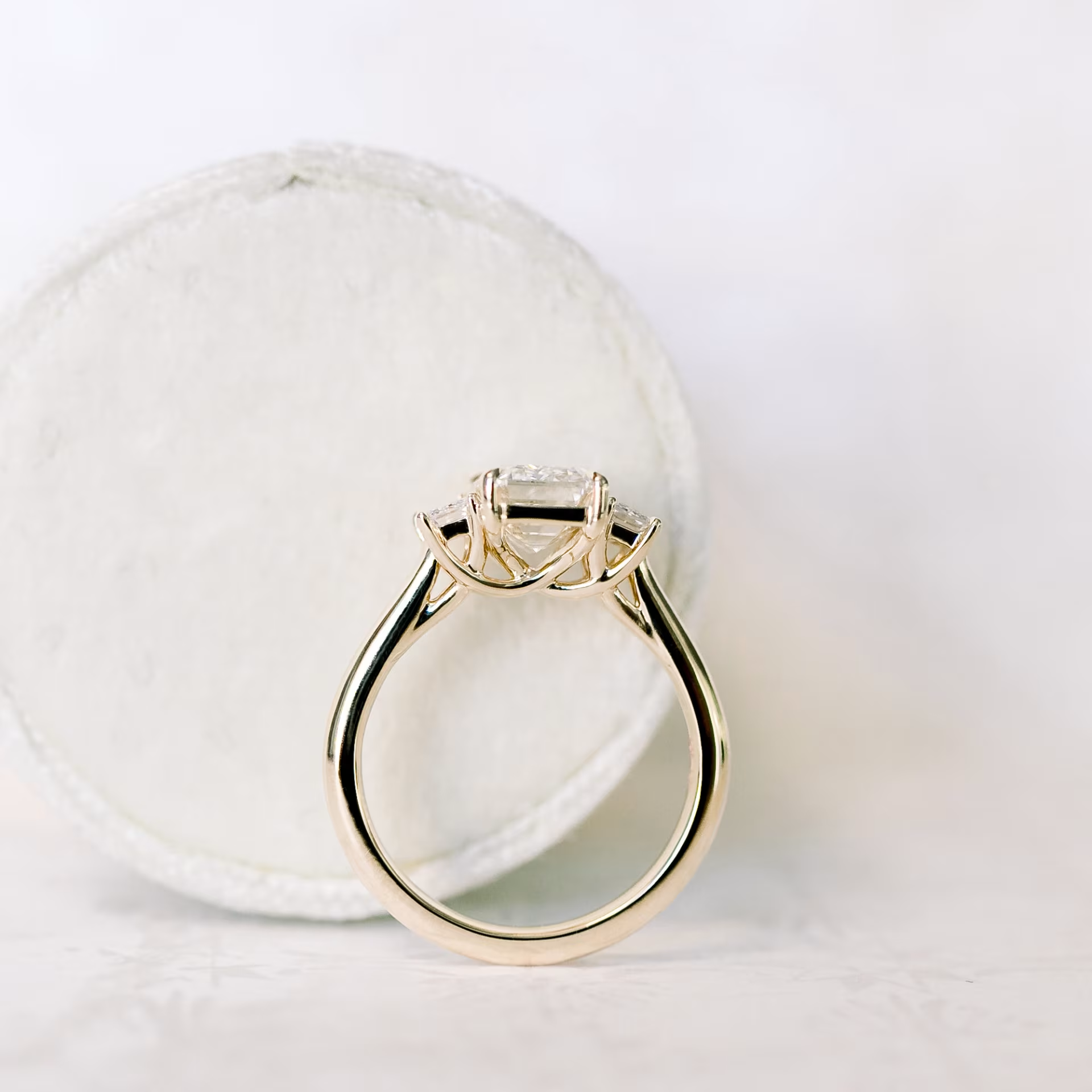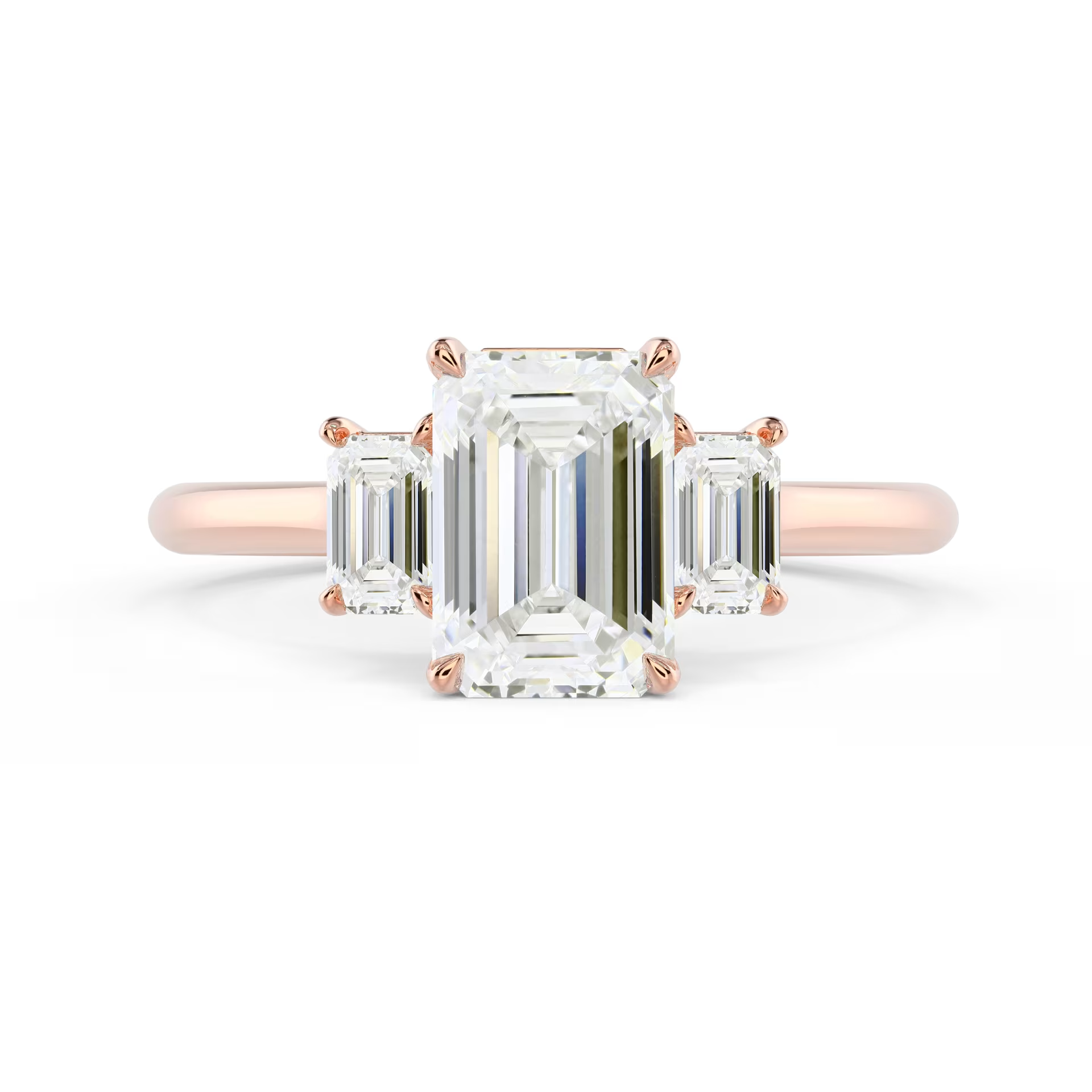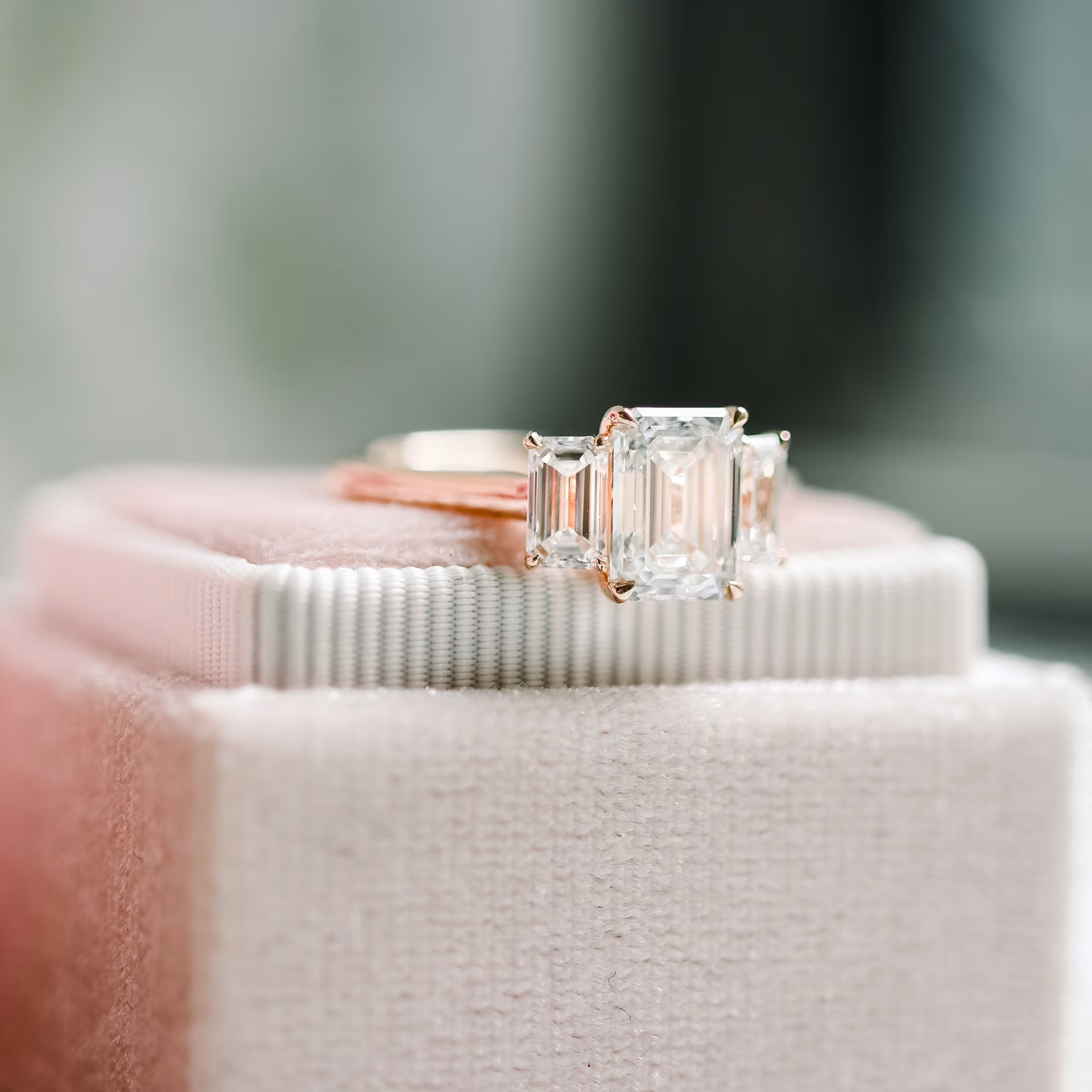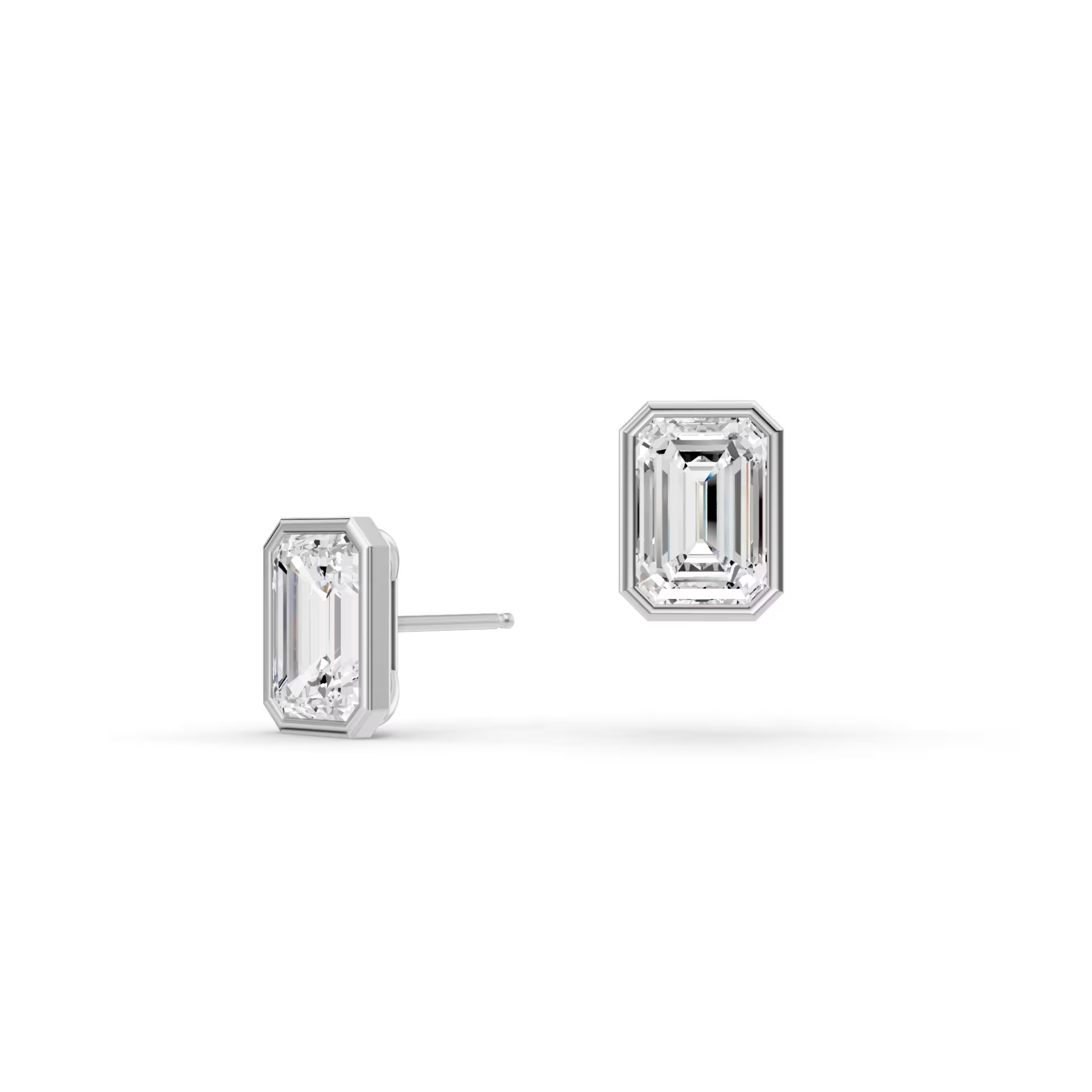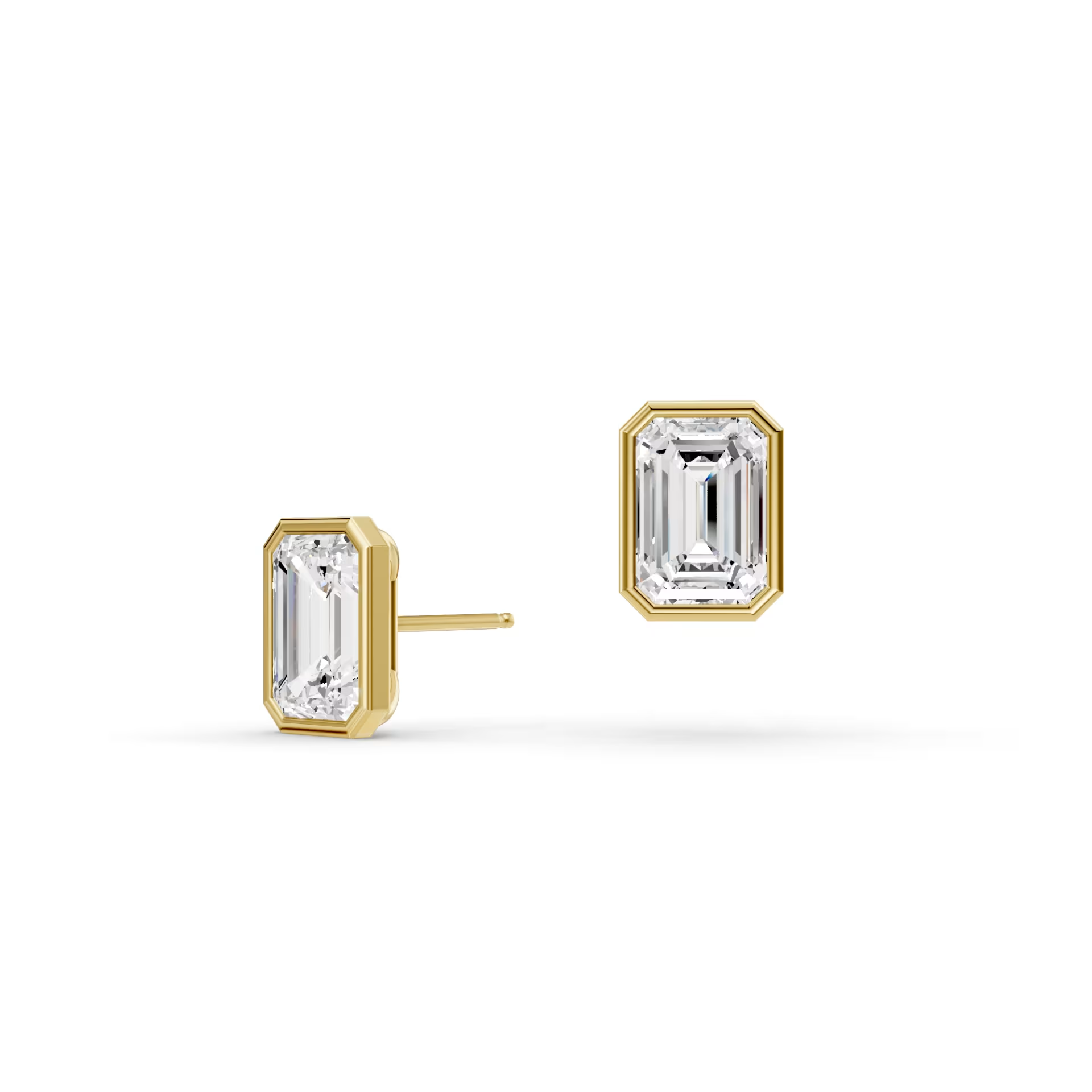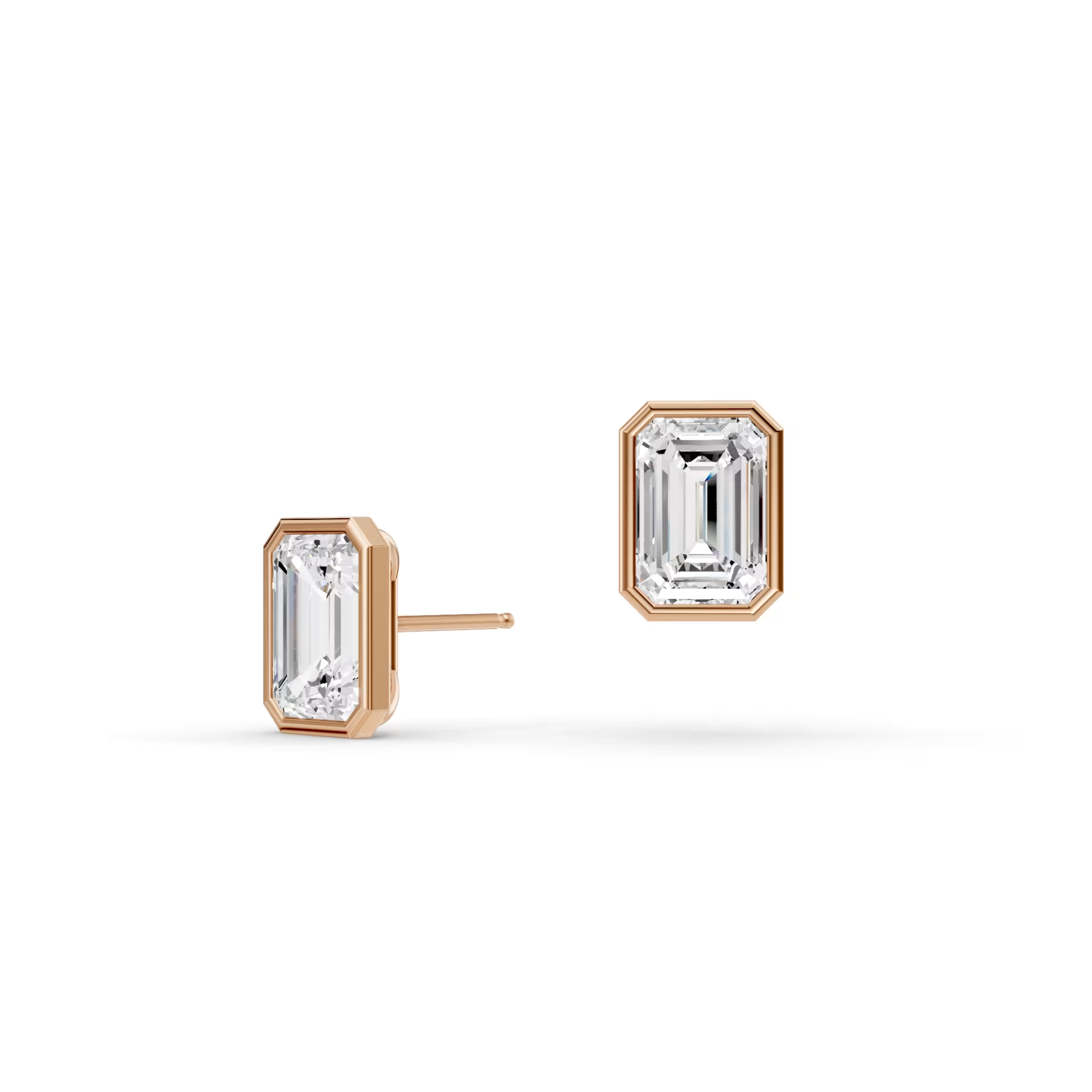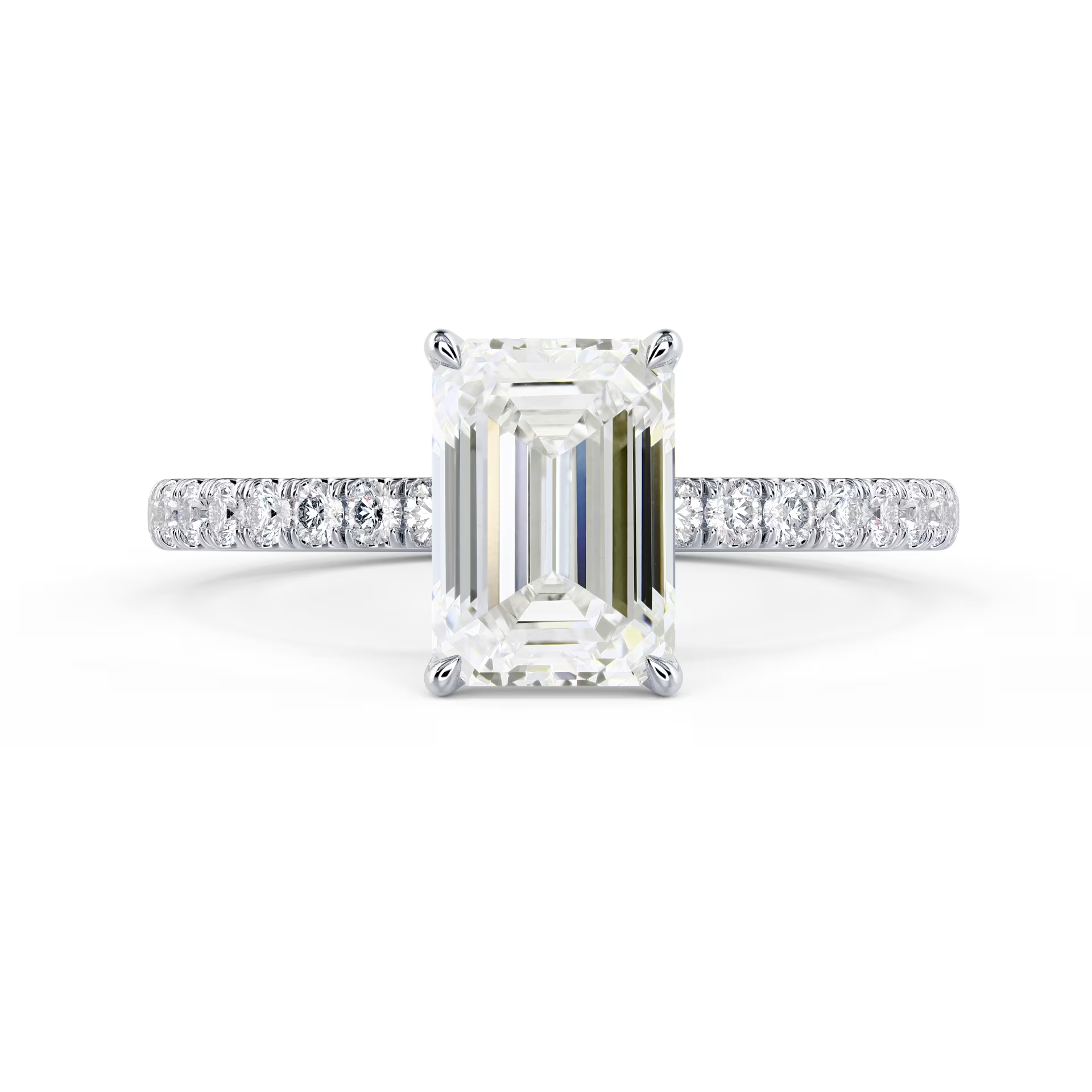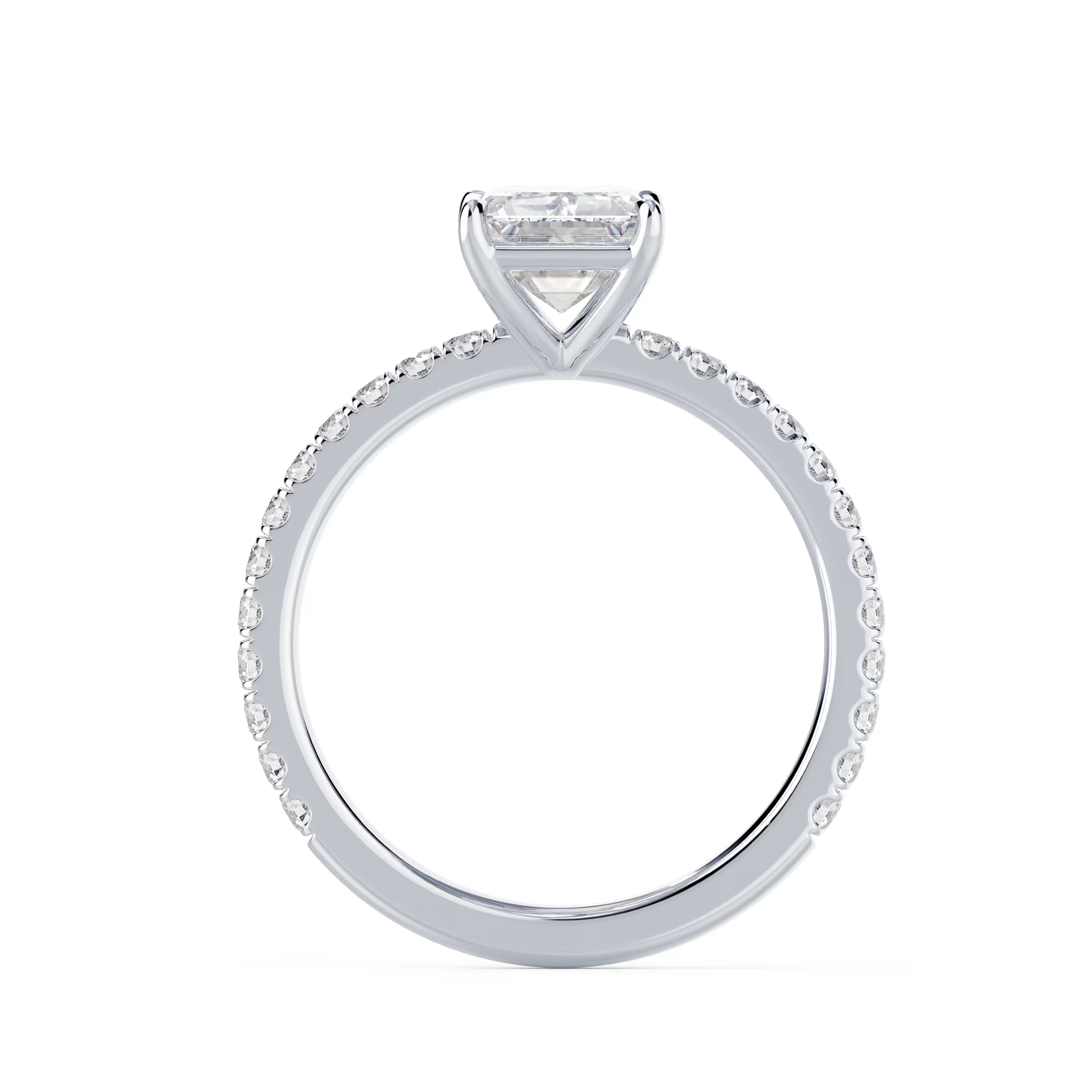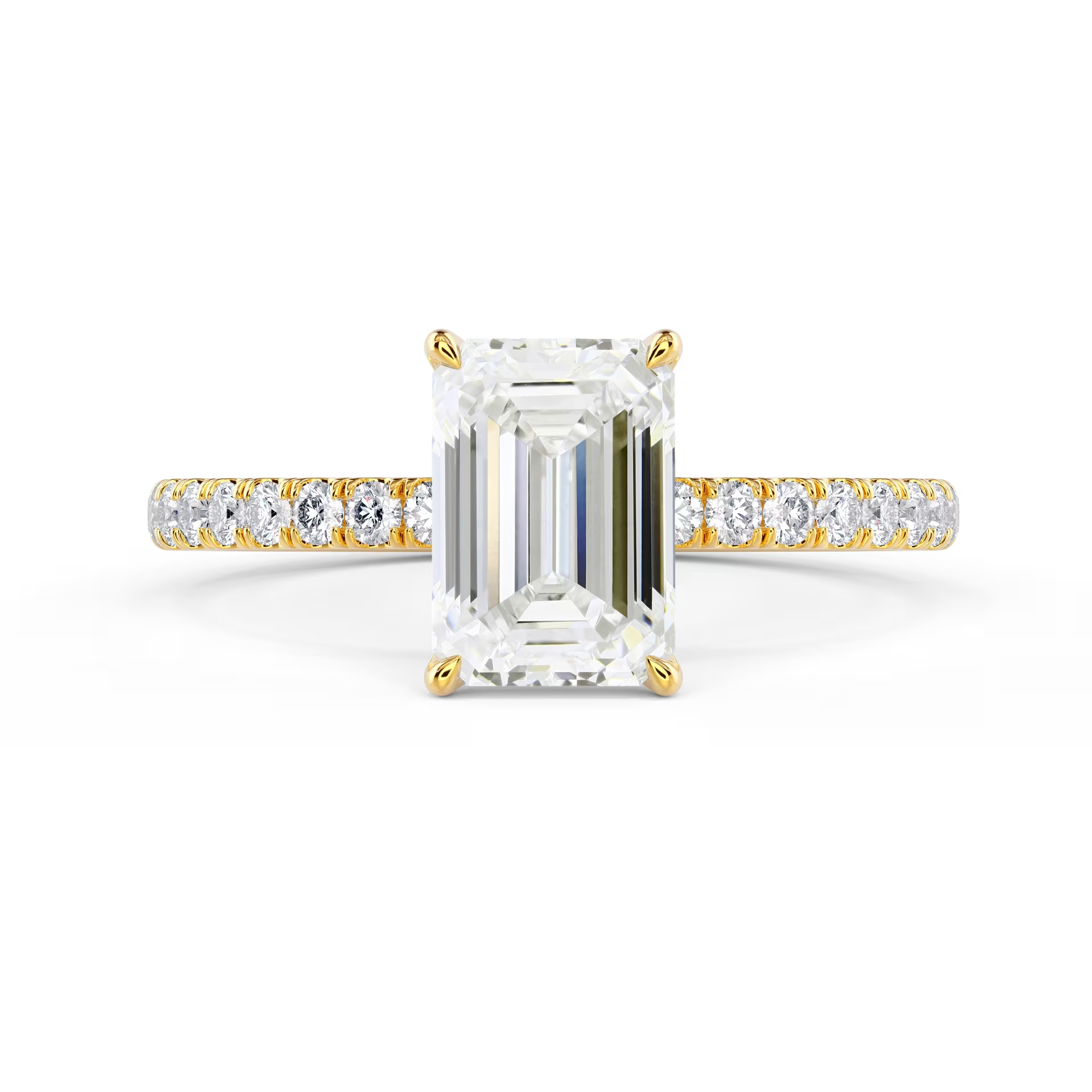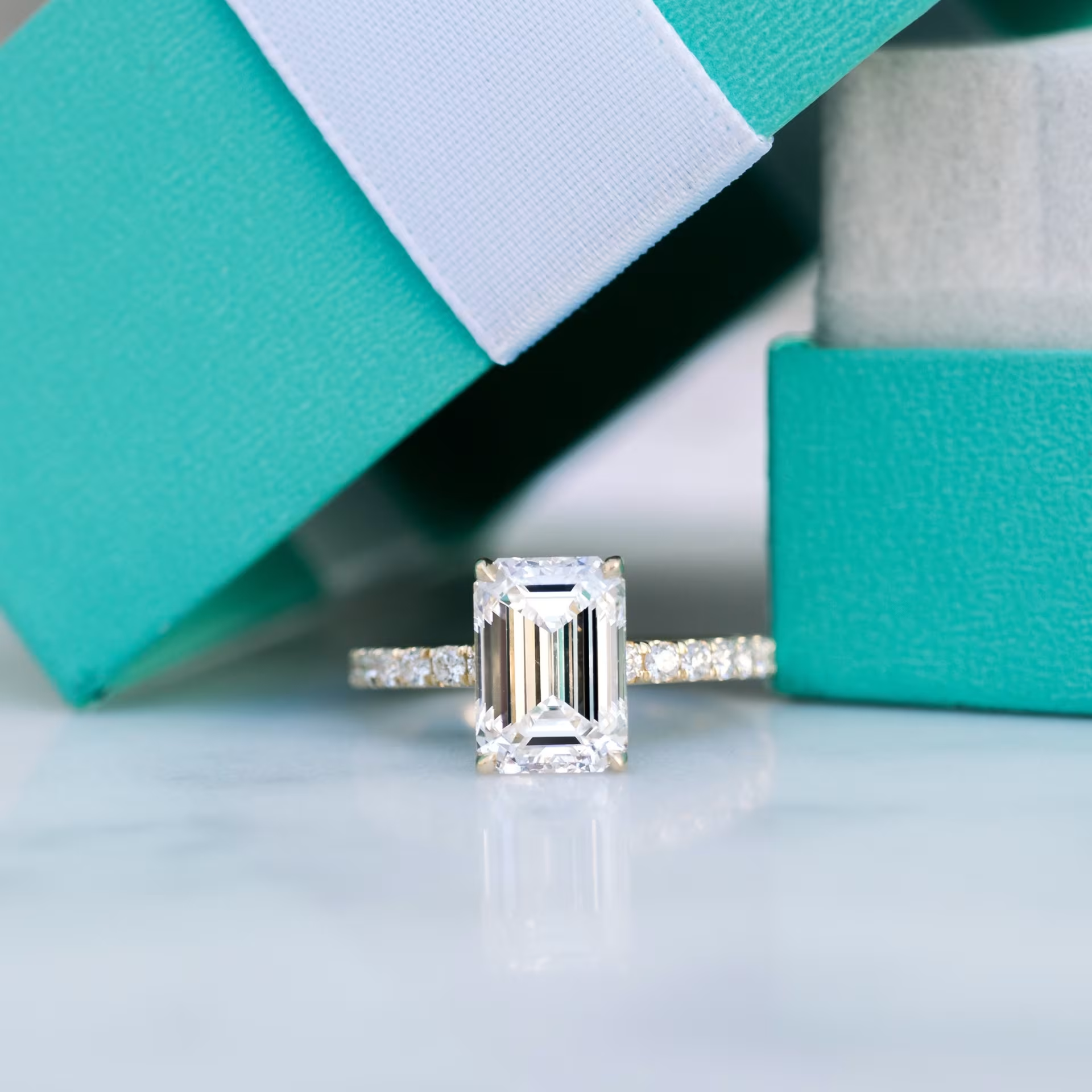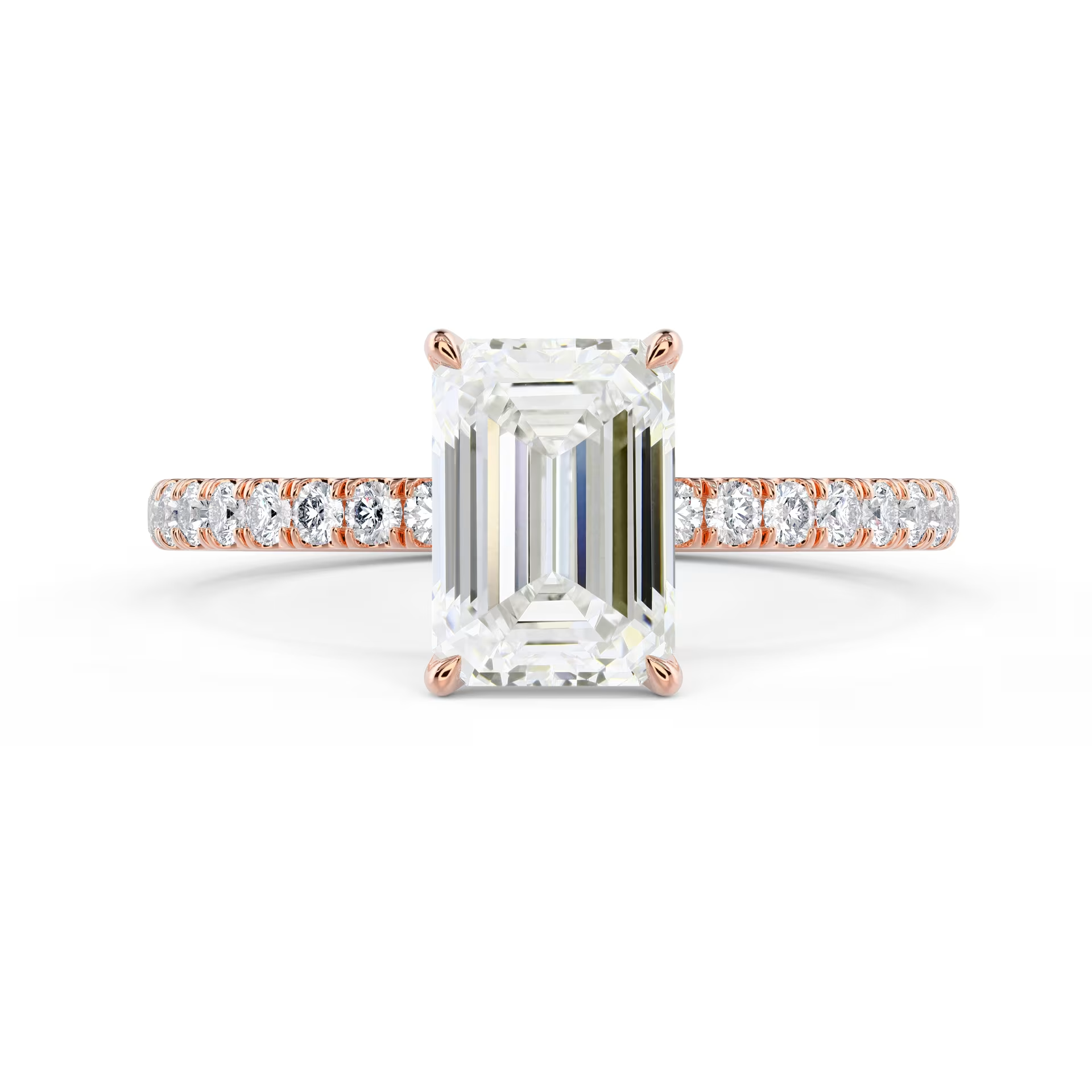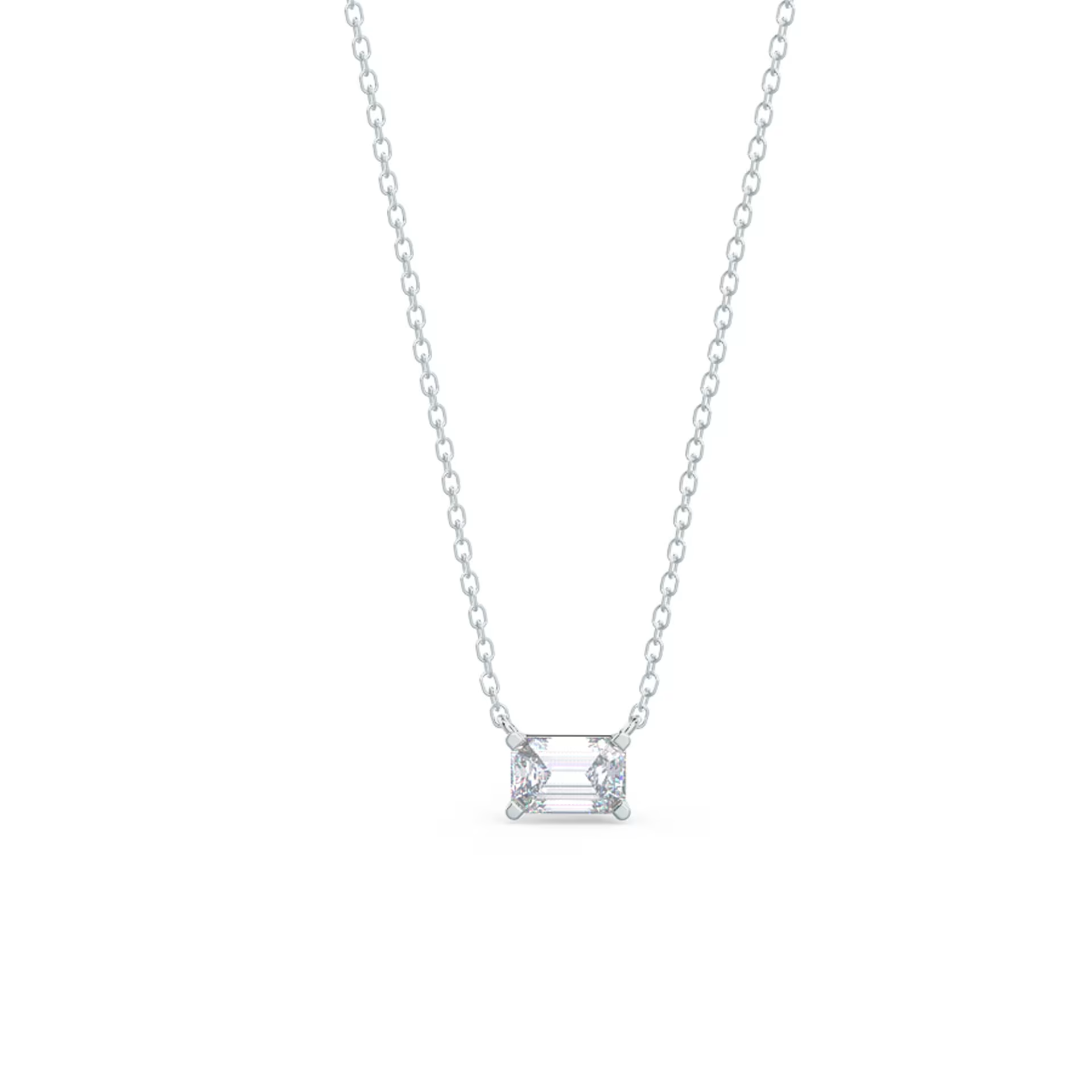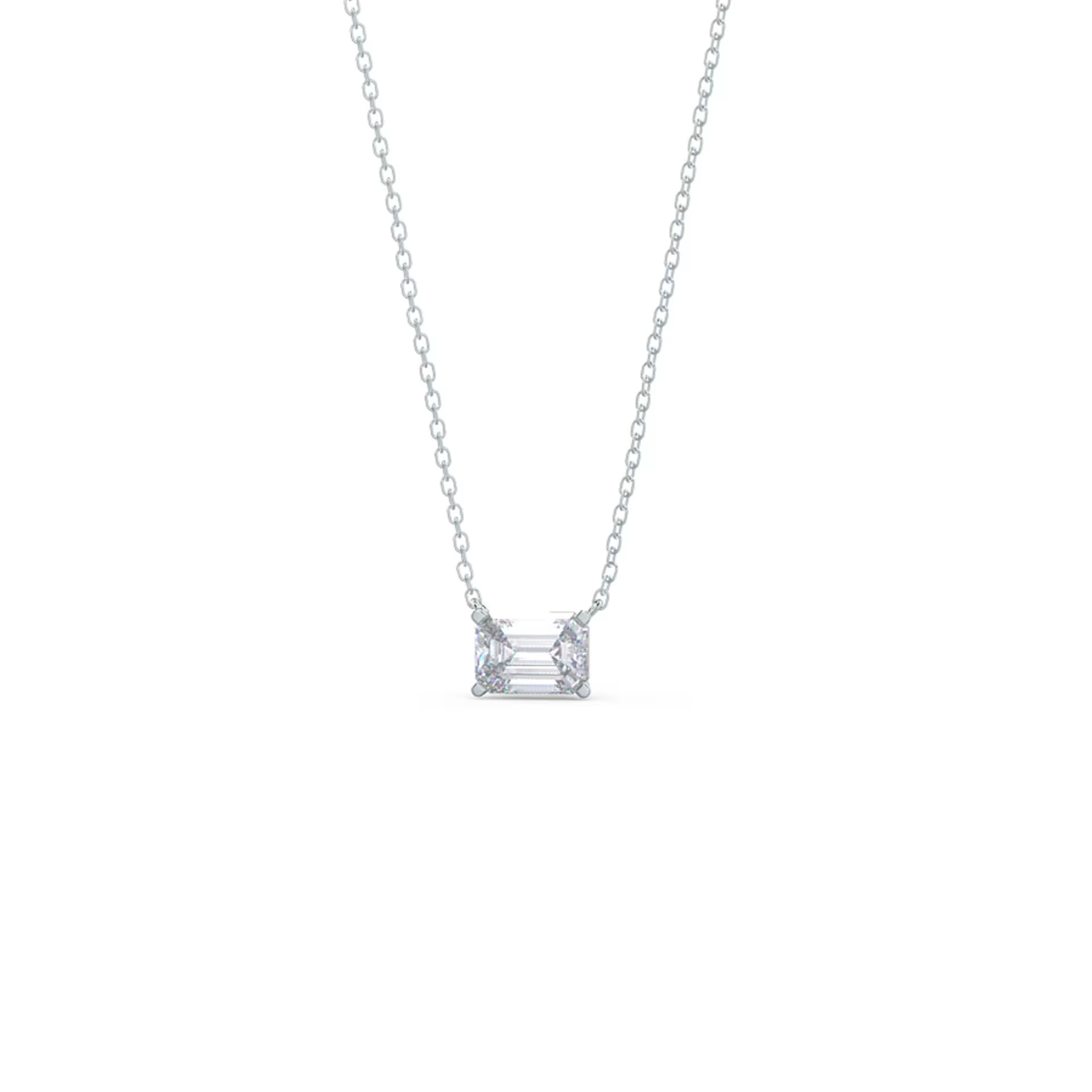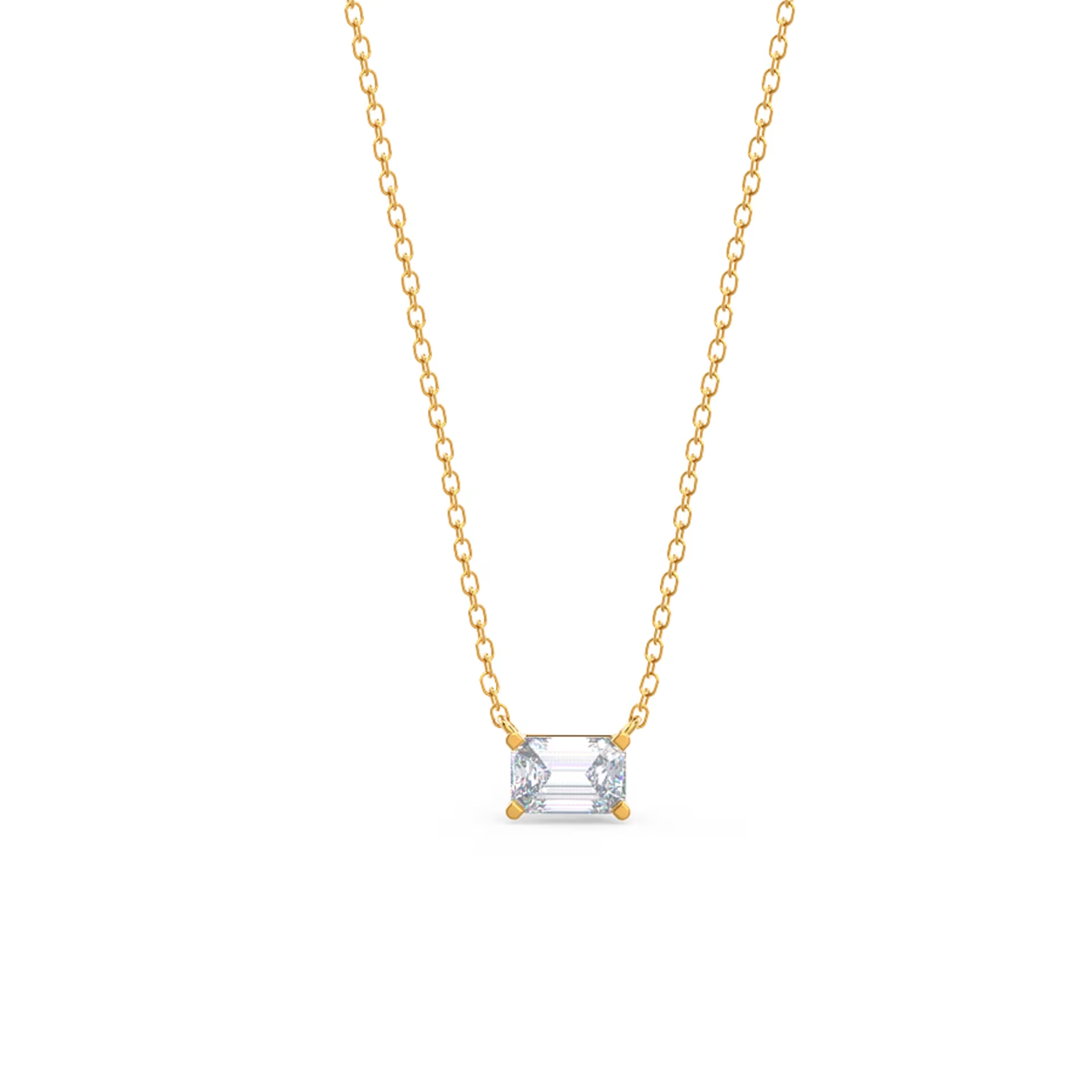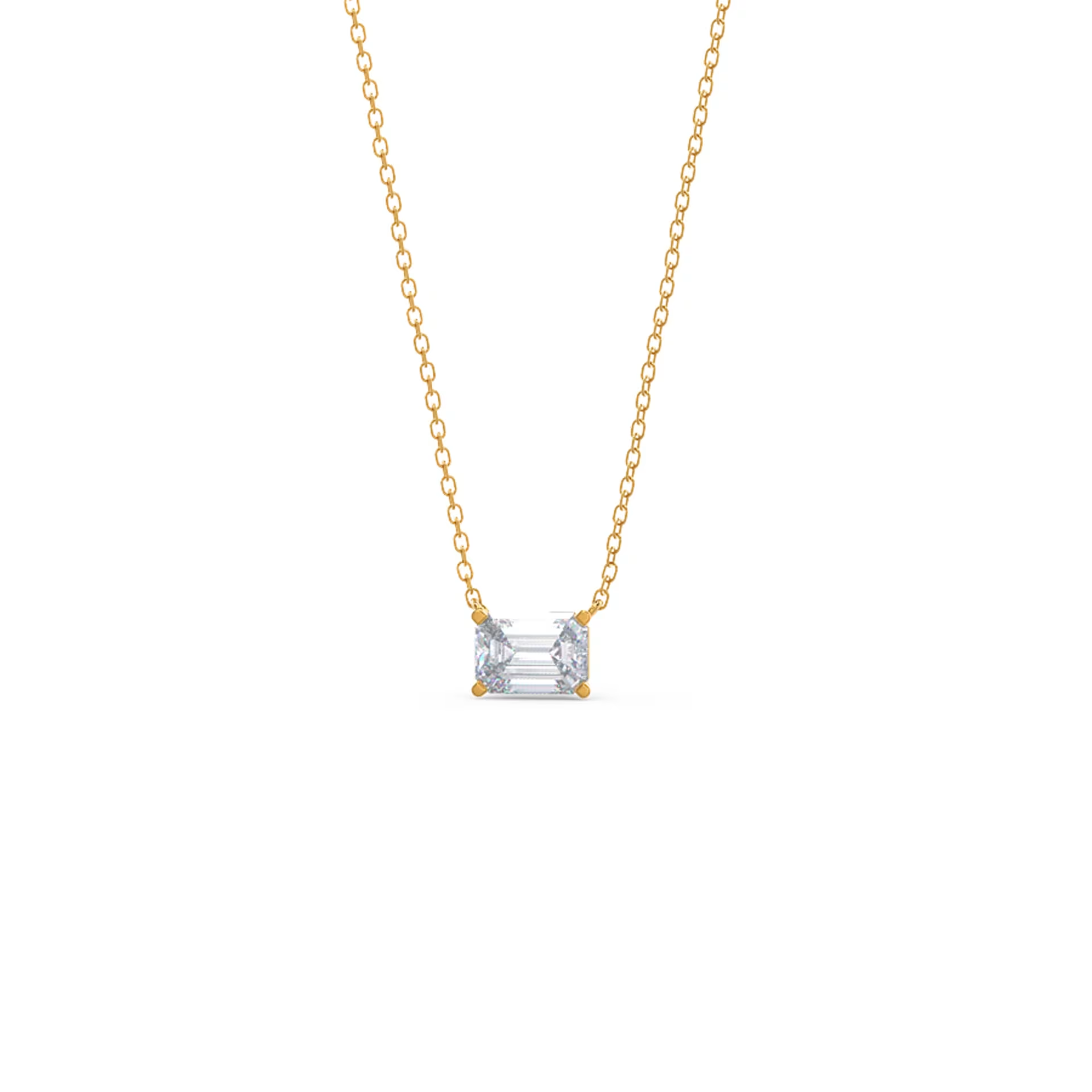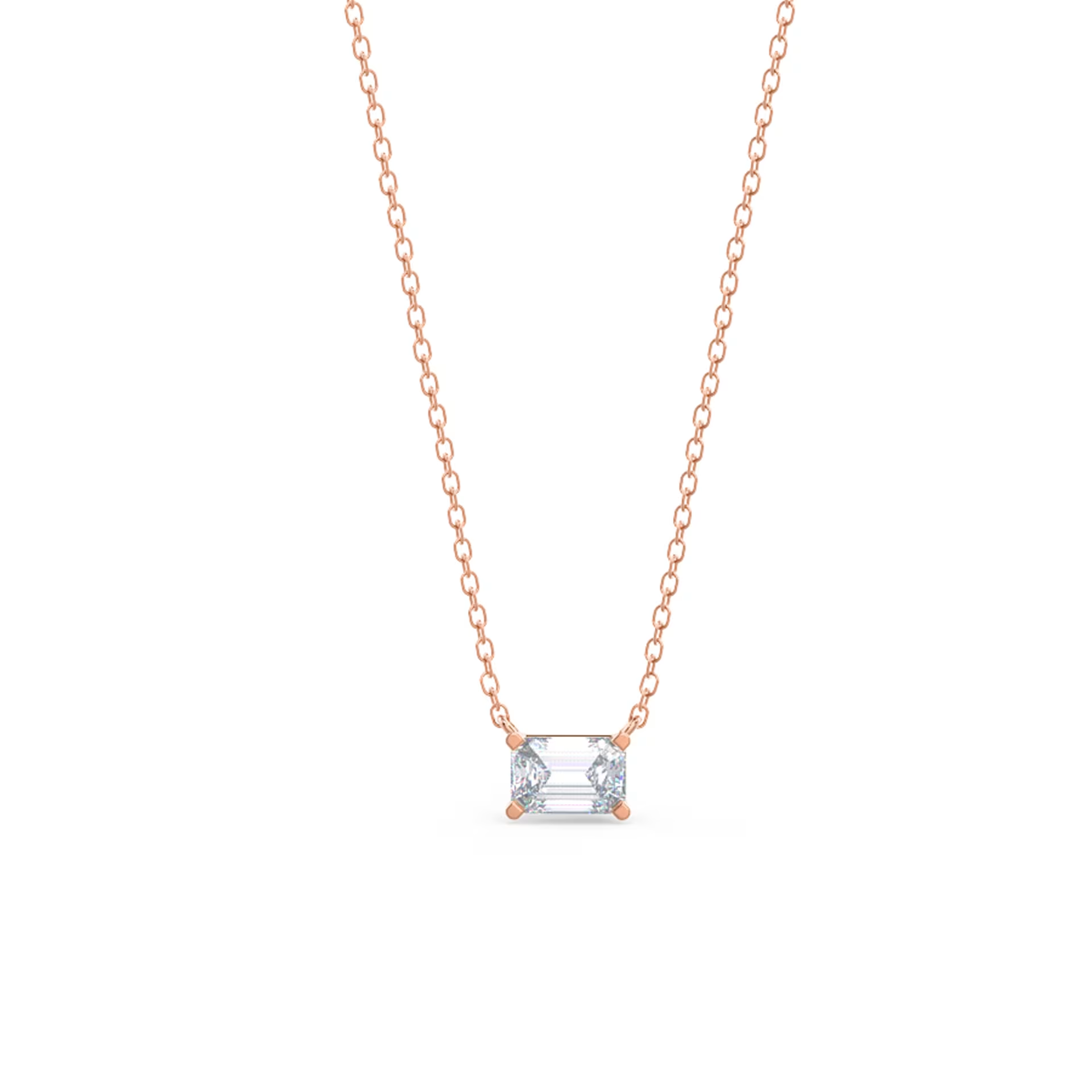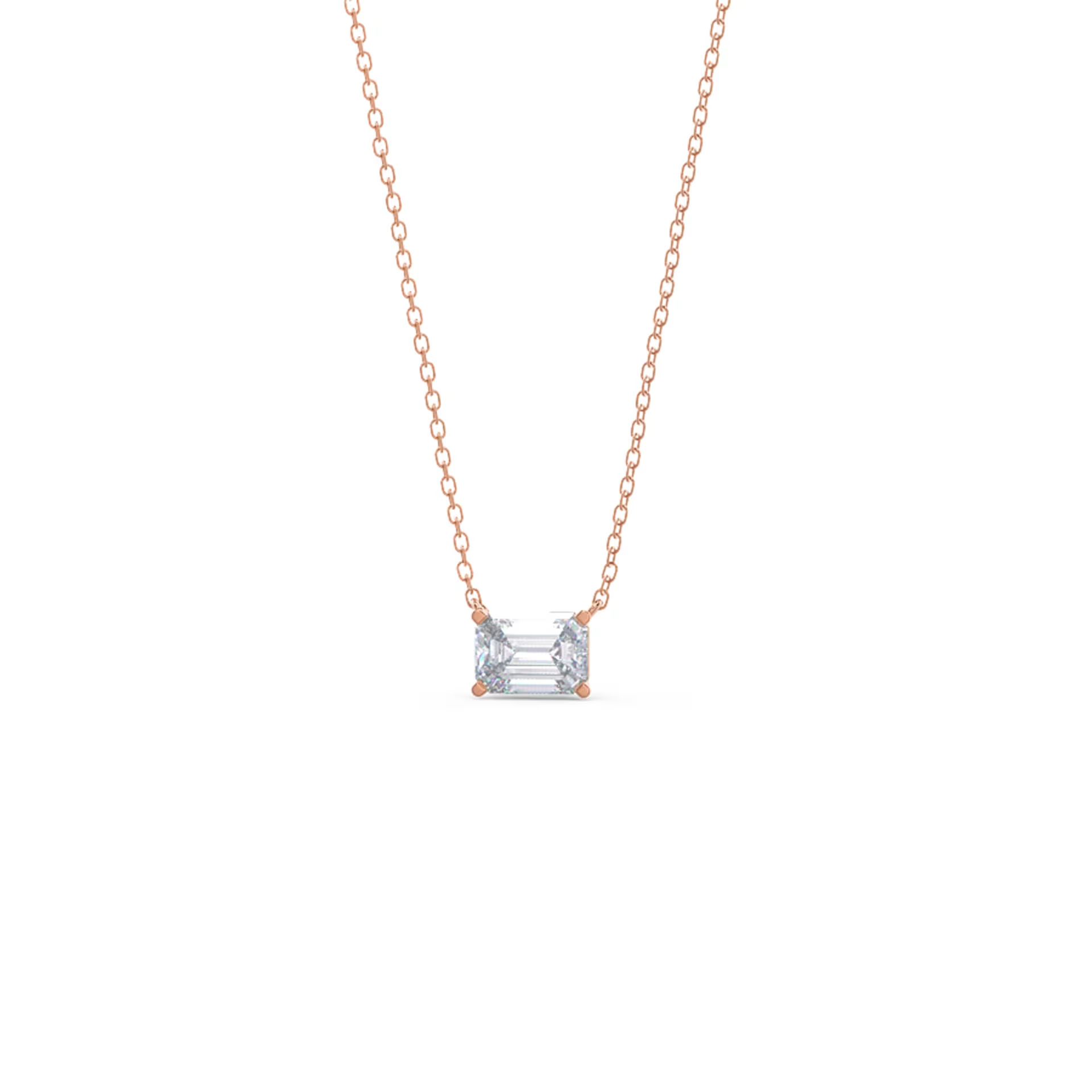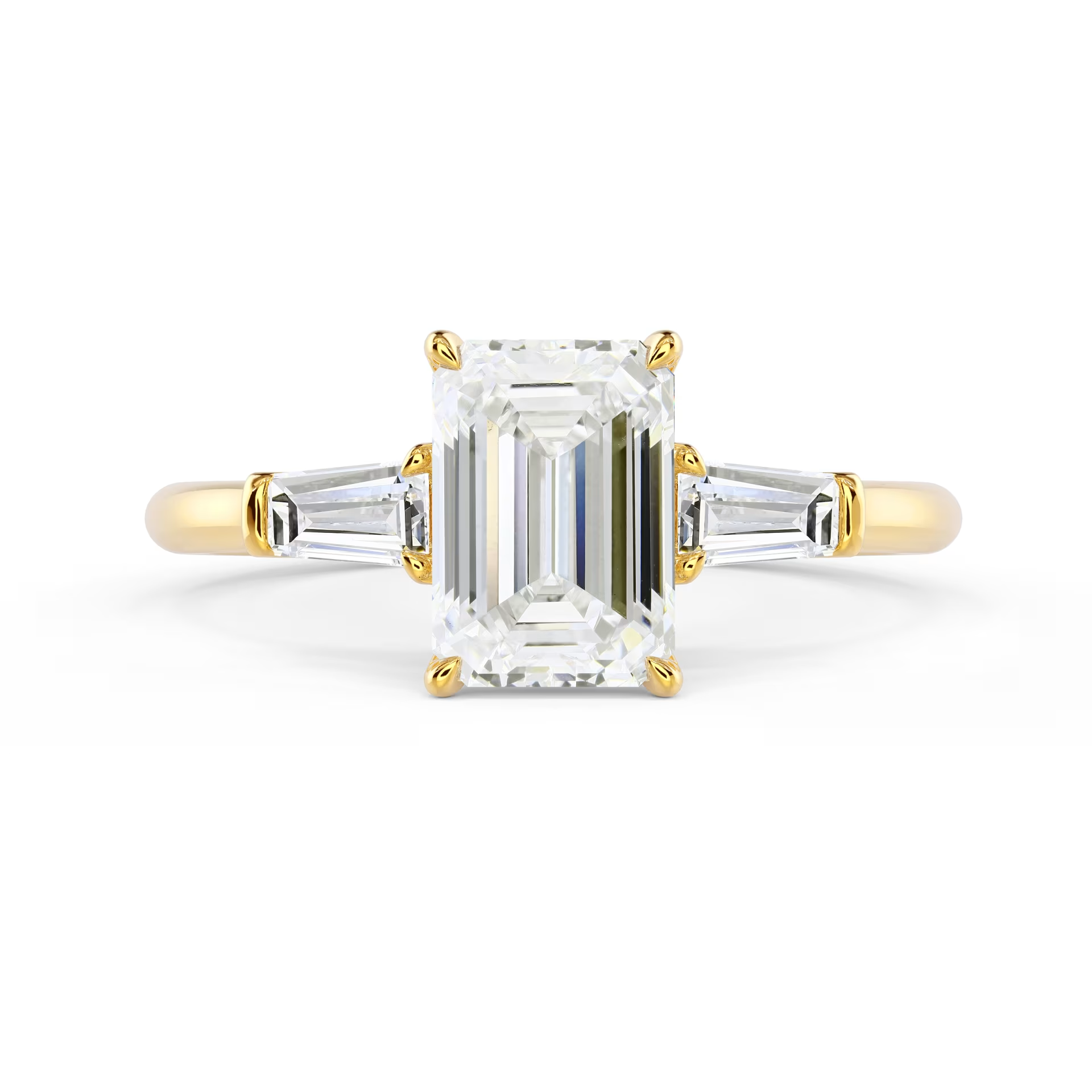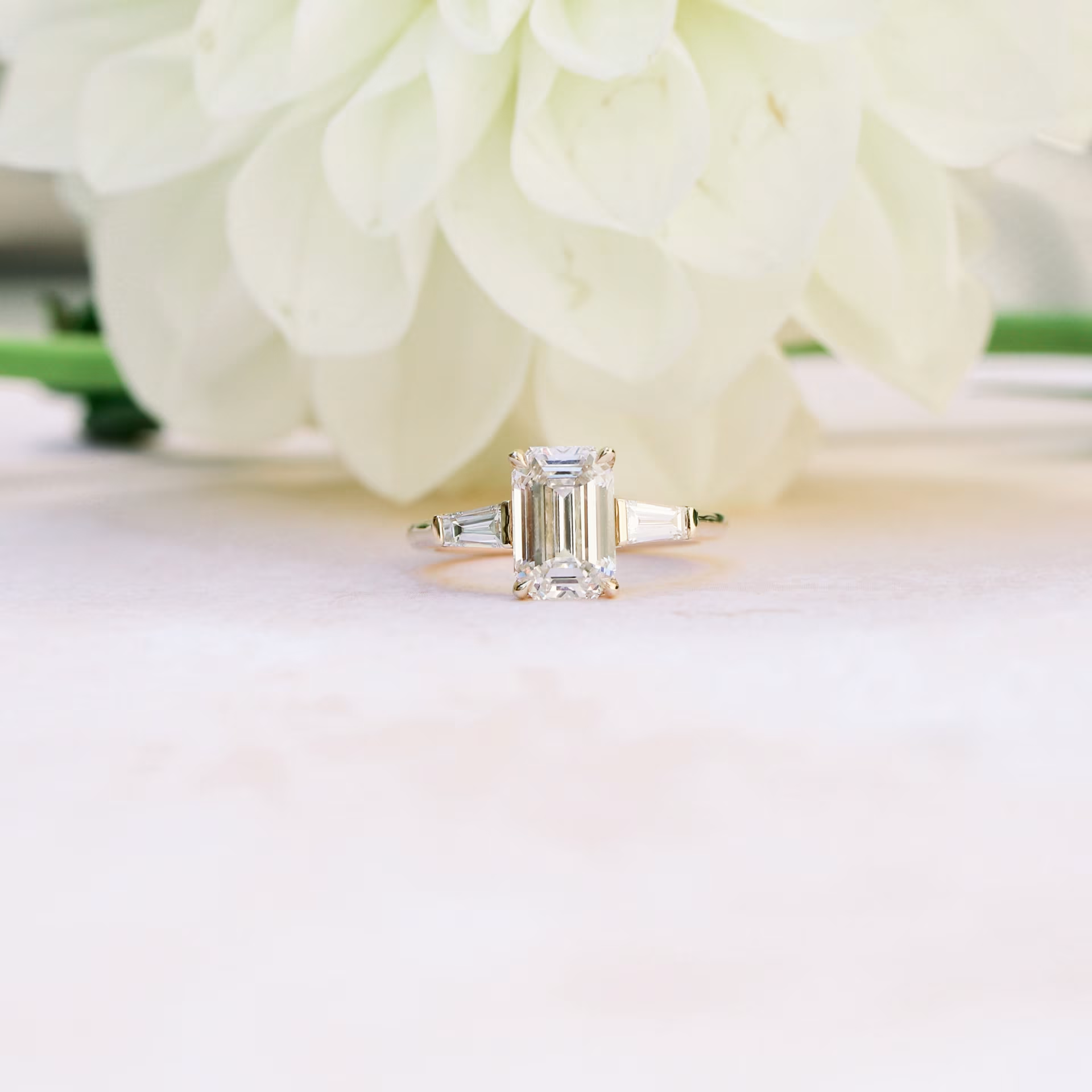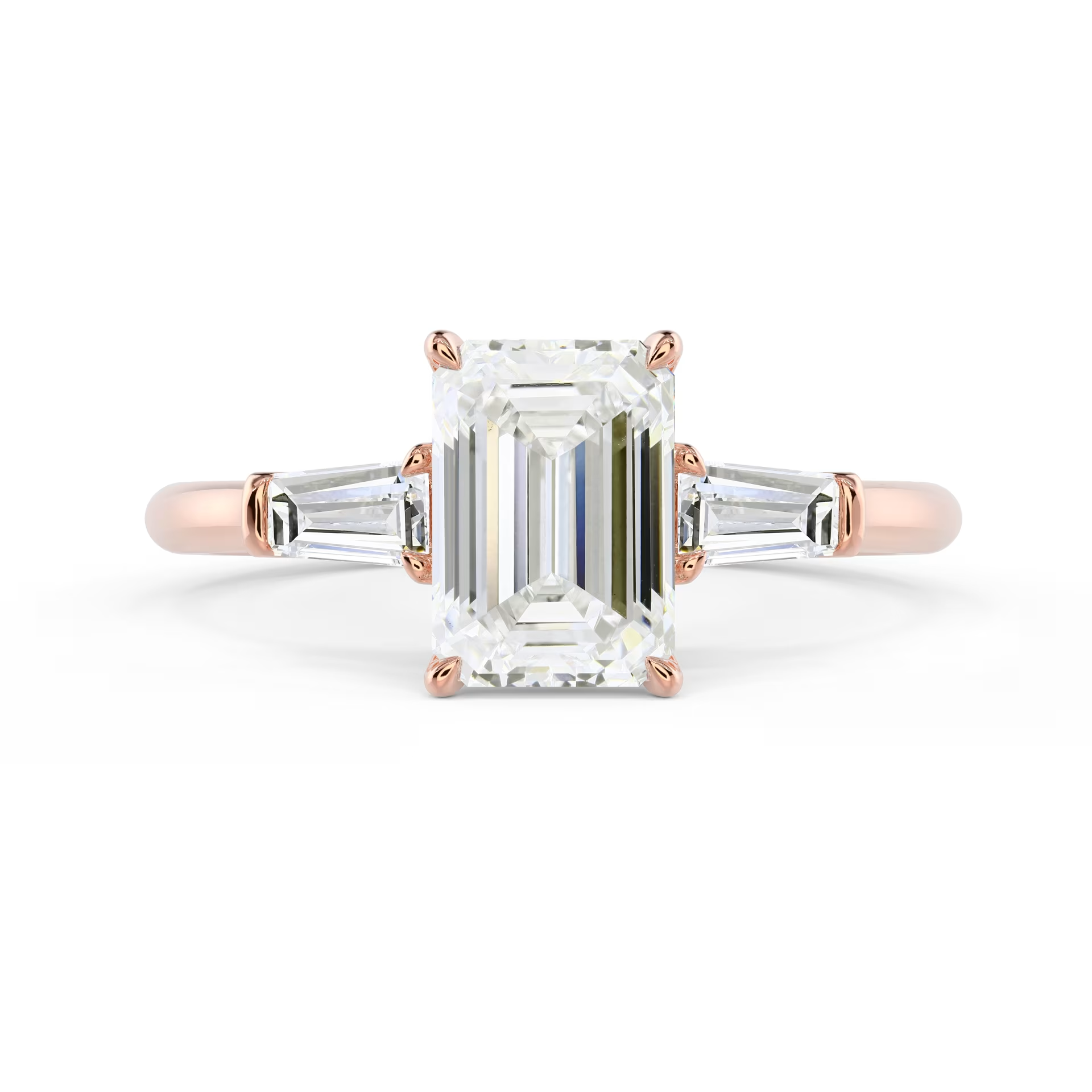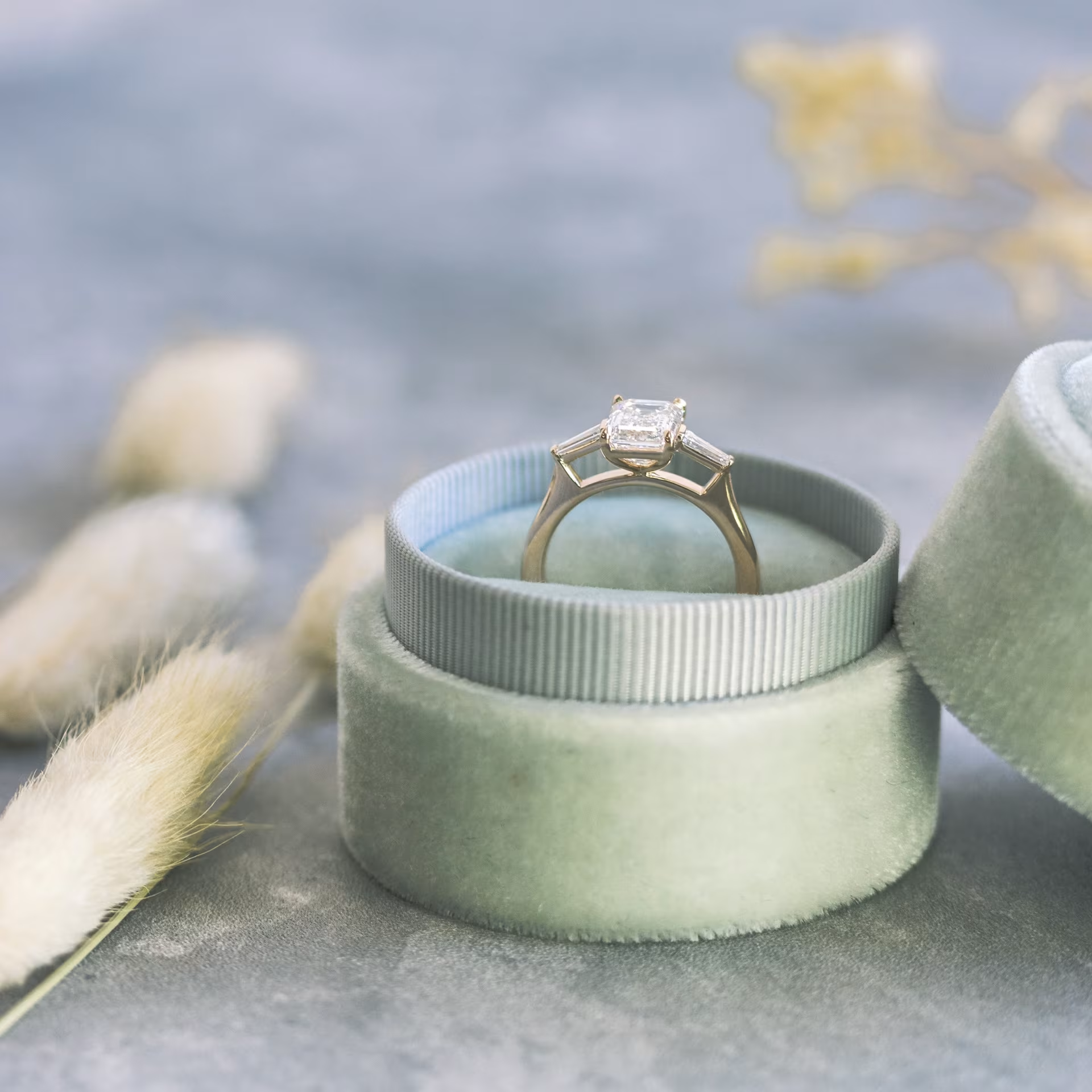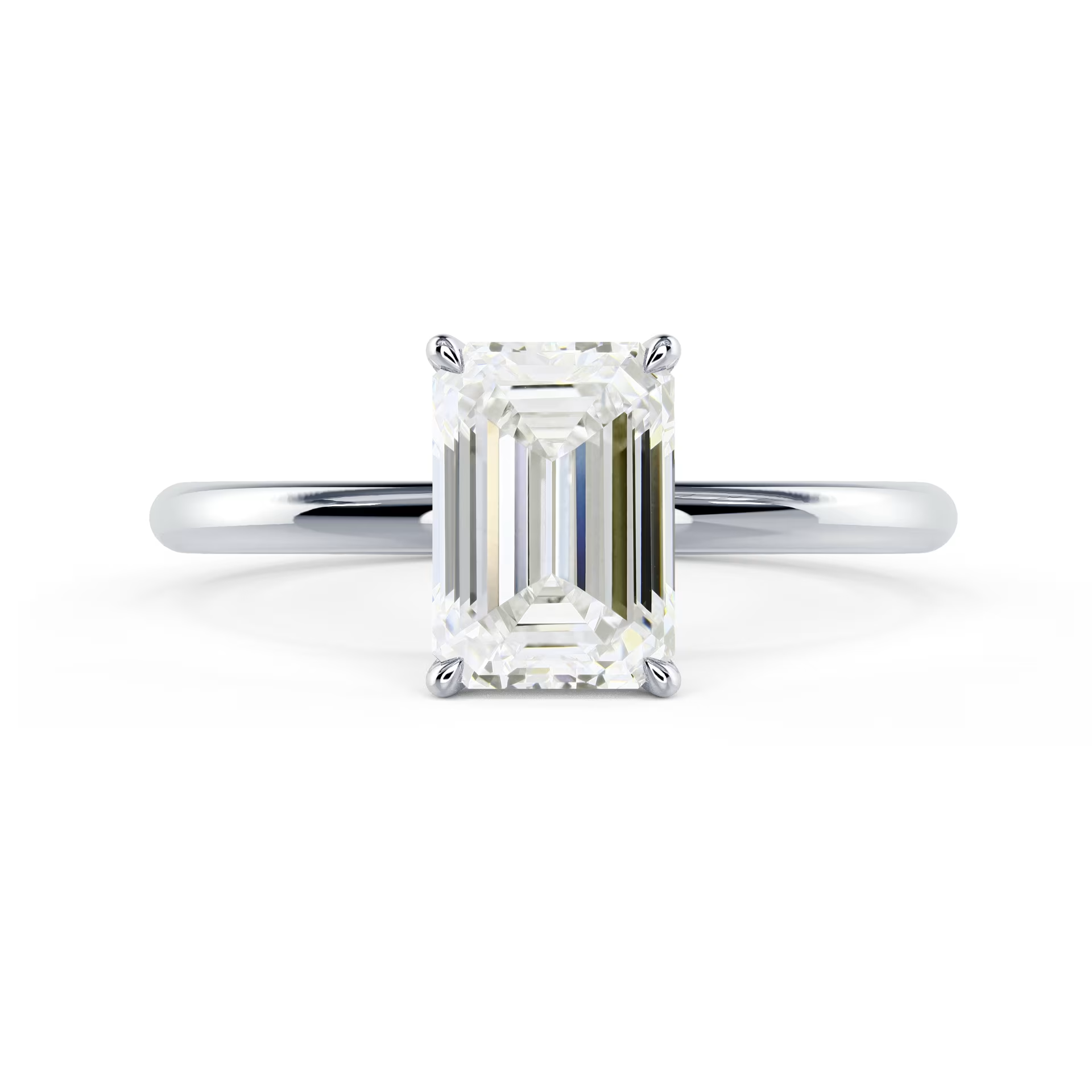
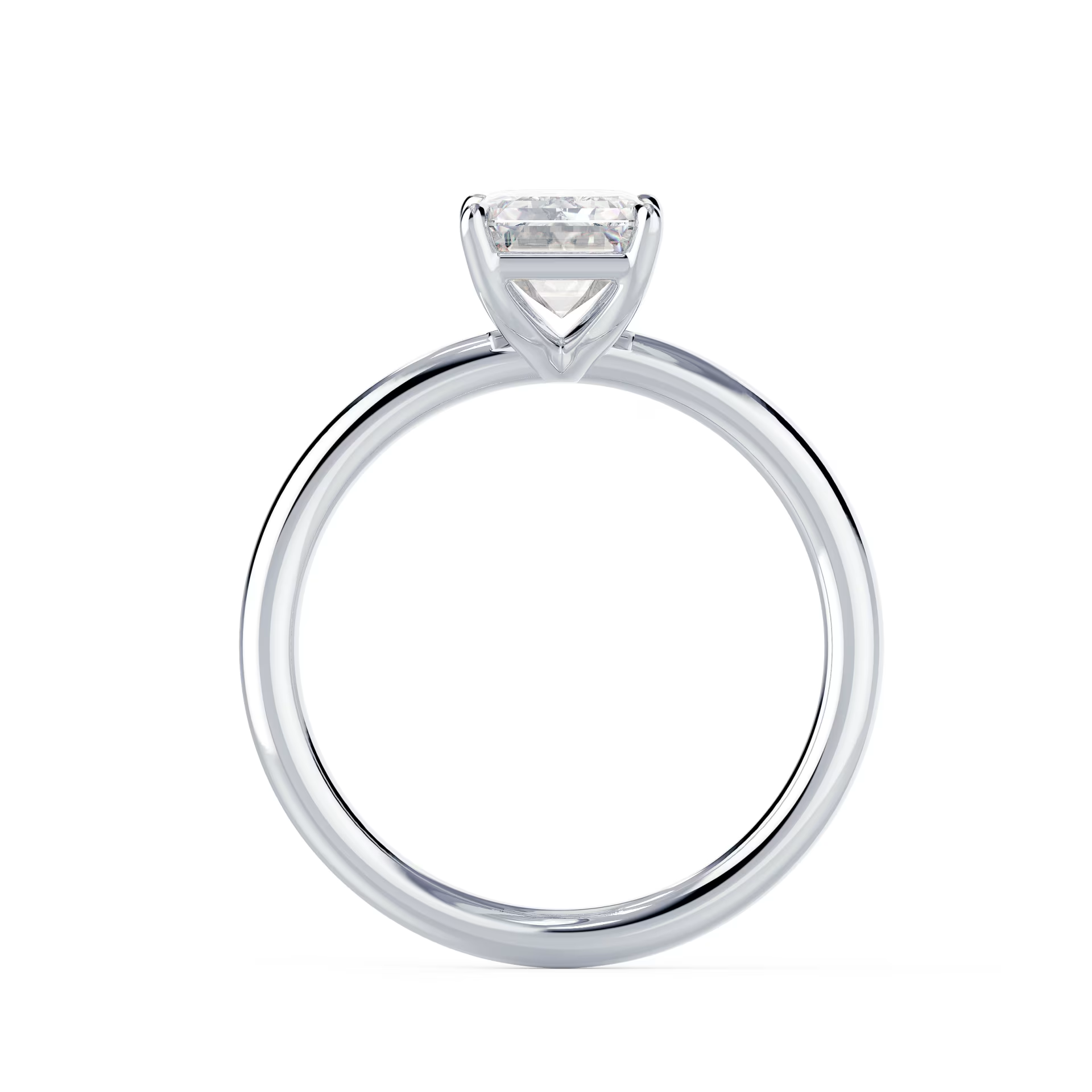
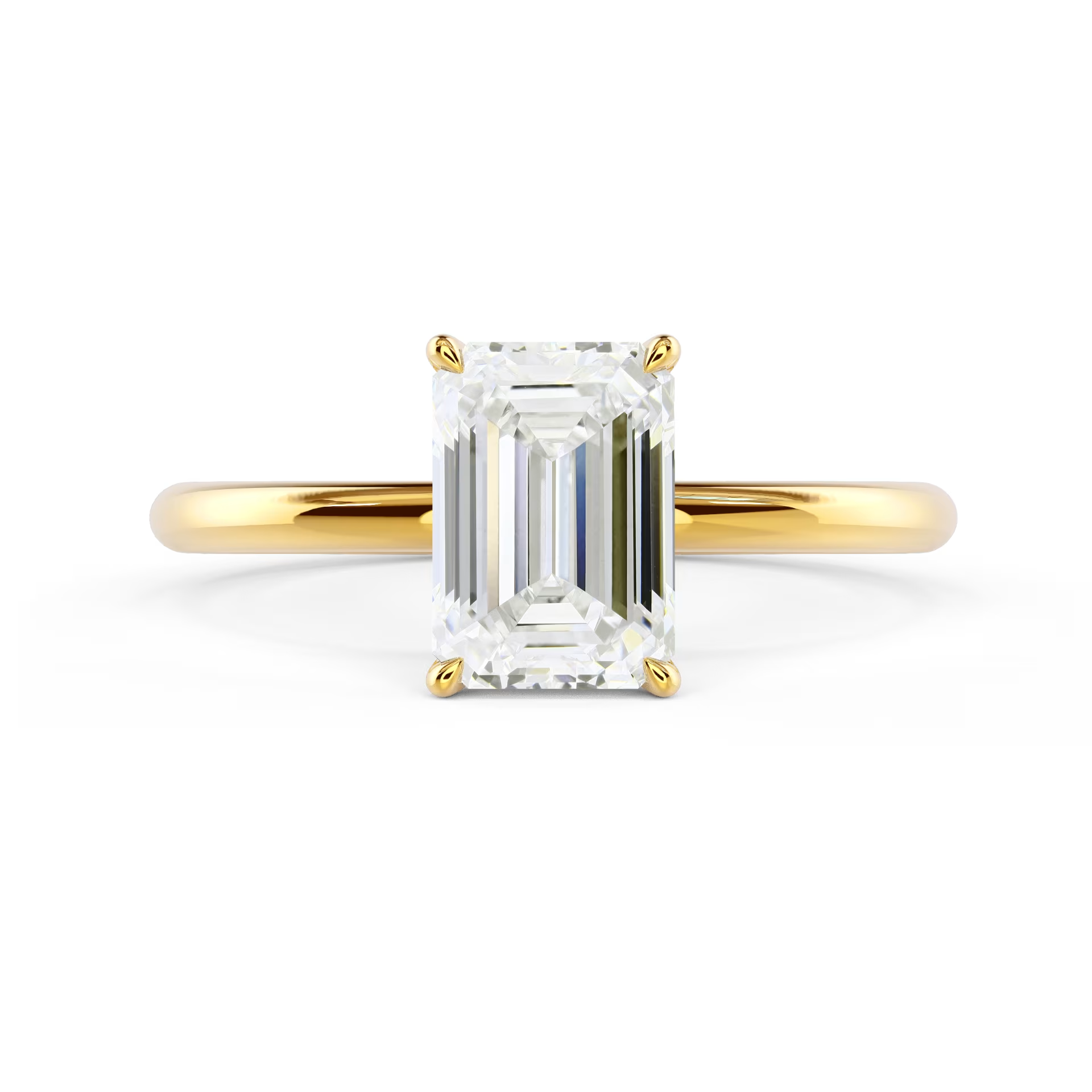
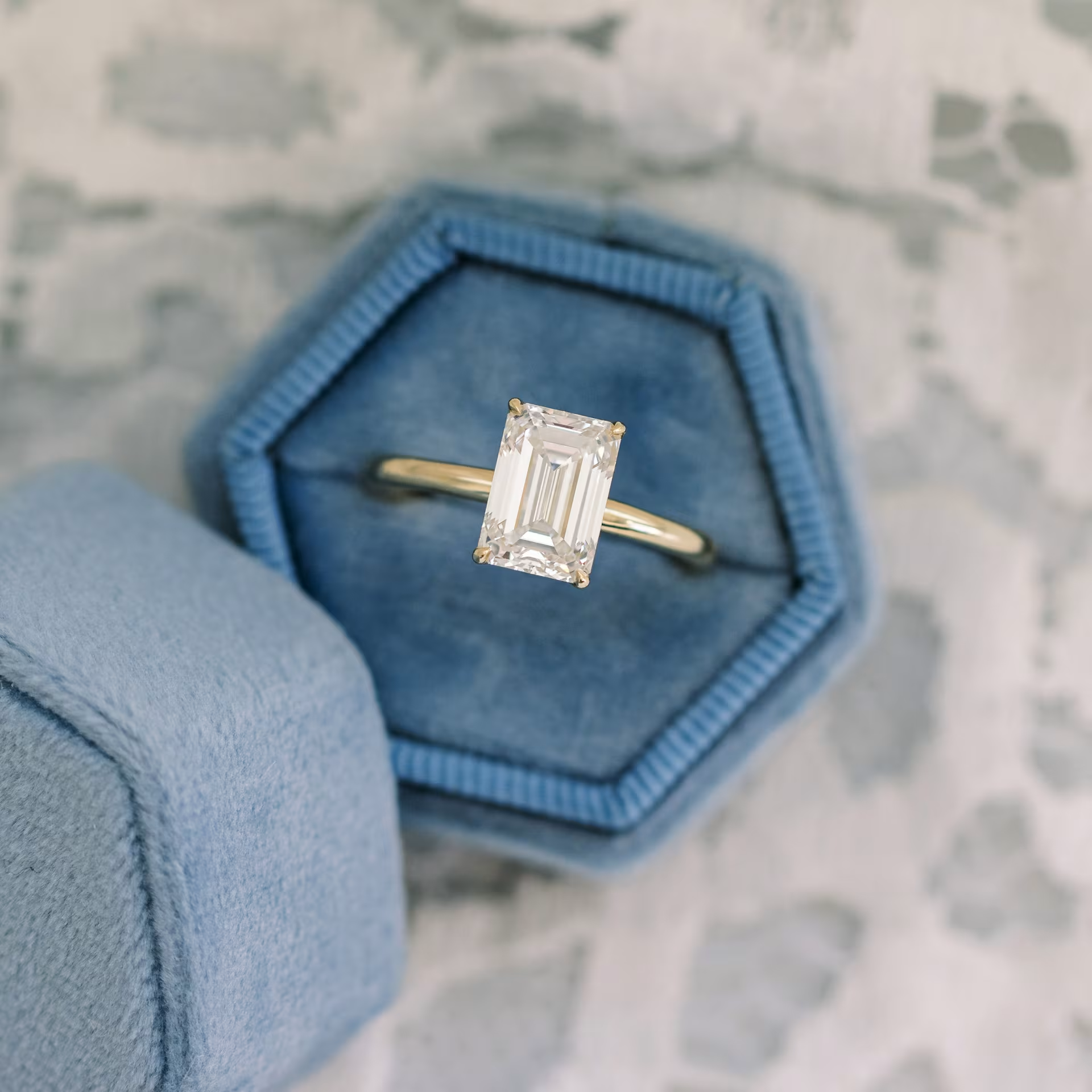
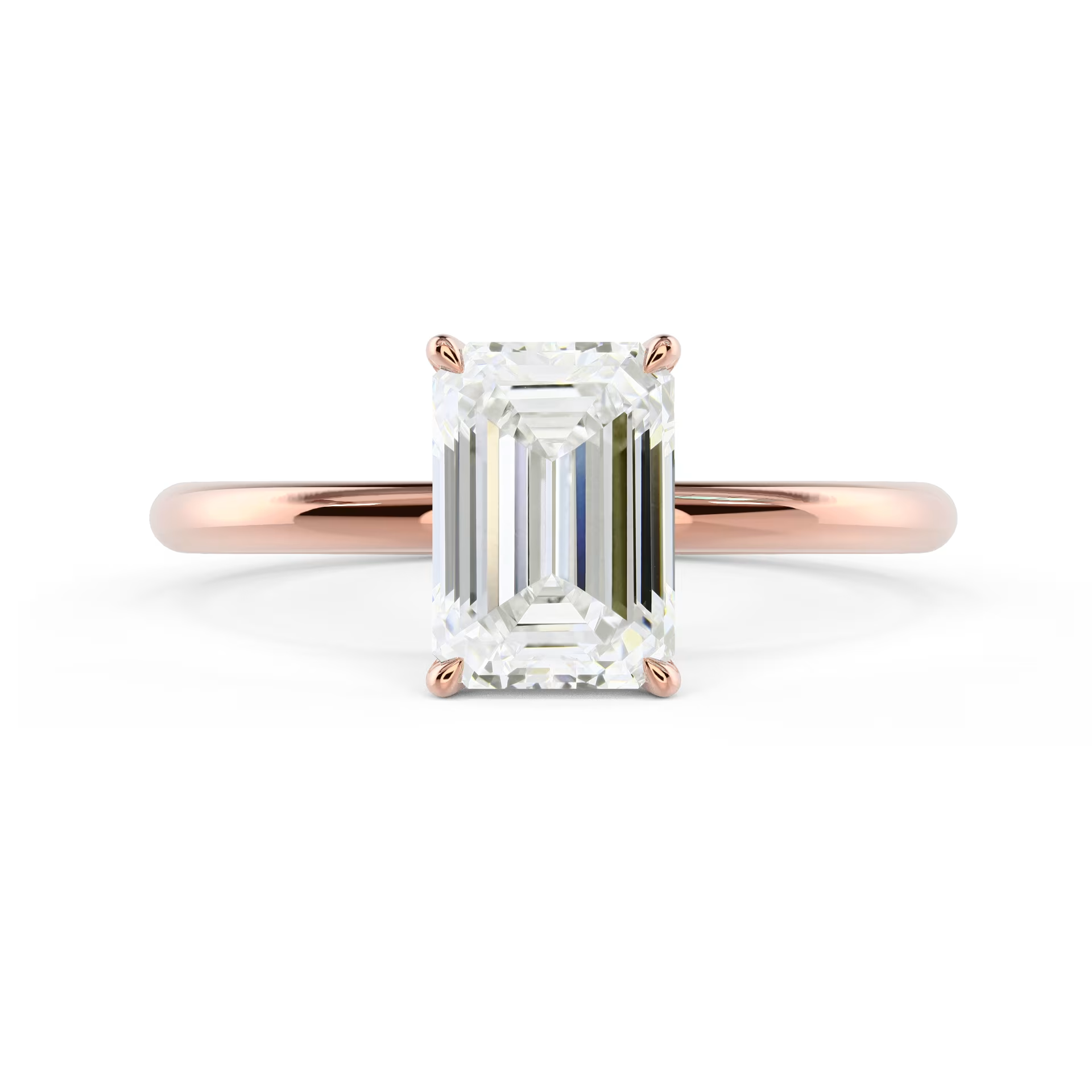
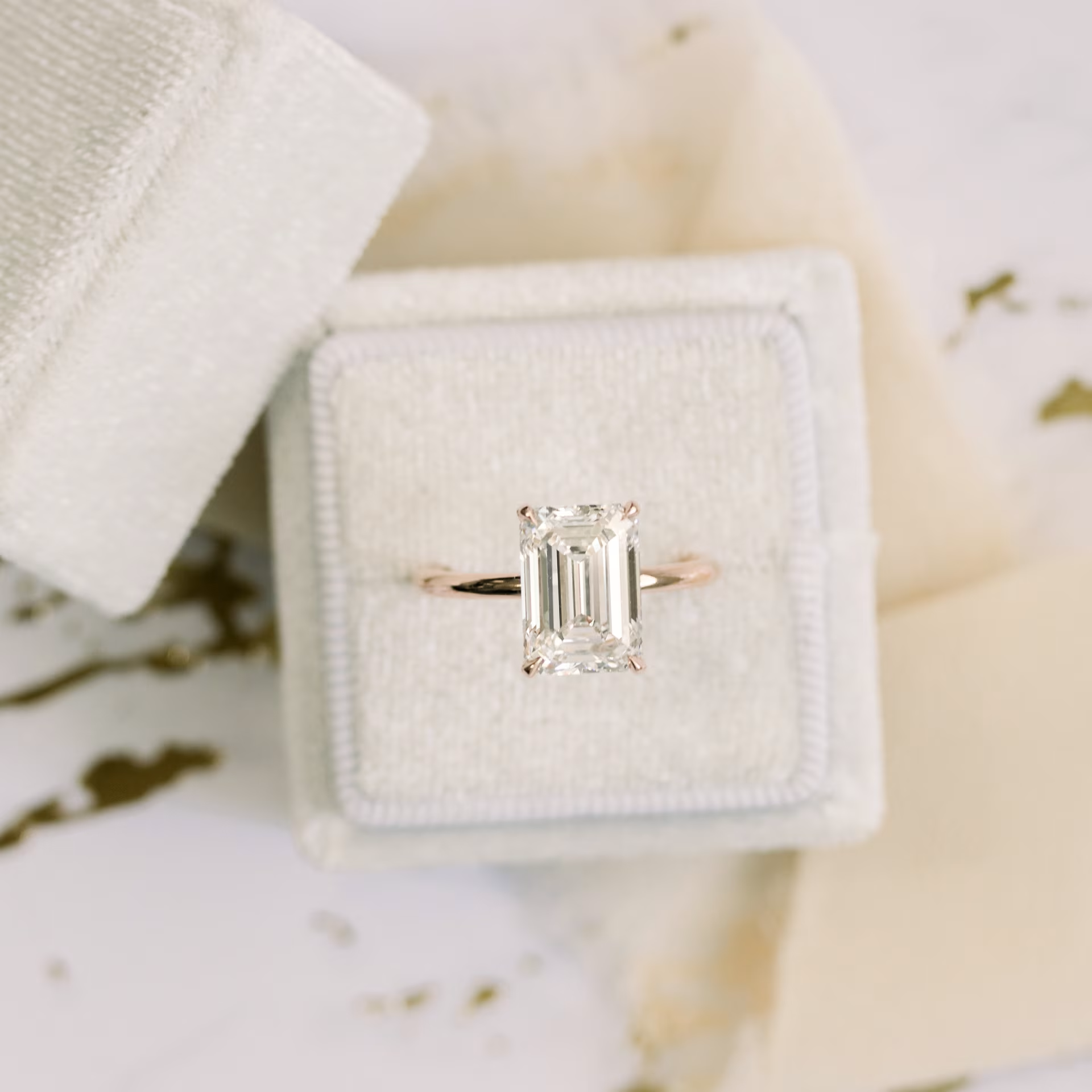
Emerald Petite Four Prong Solitaire$$1,2501250
Your guide to emerald cut lab diamonds from the experts at Ada.
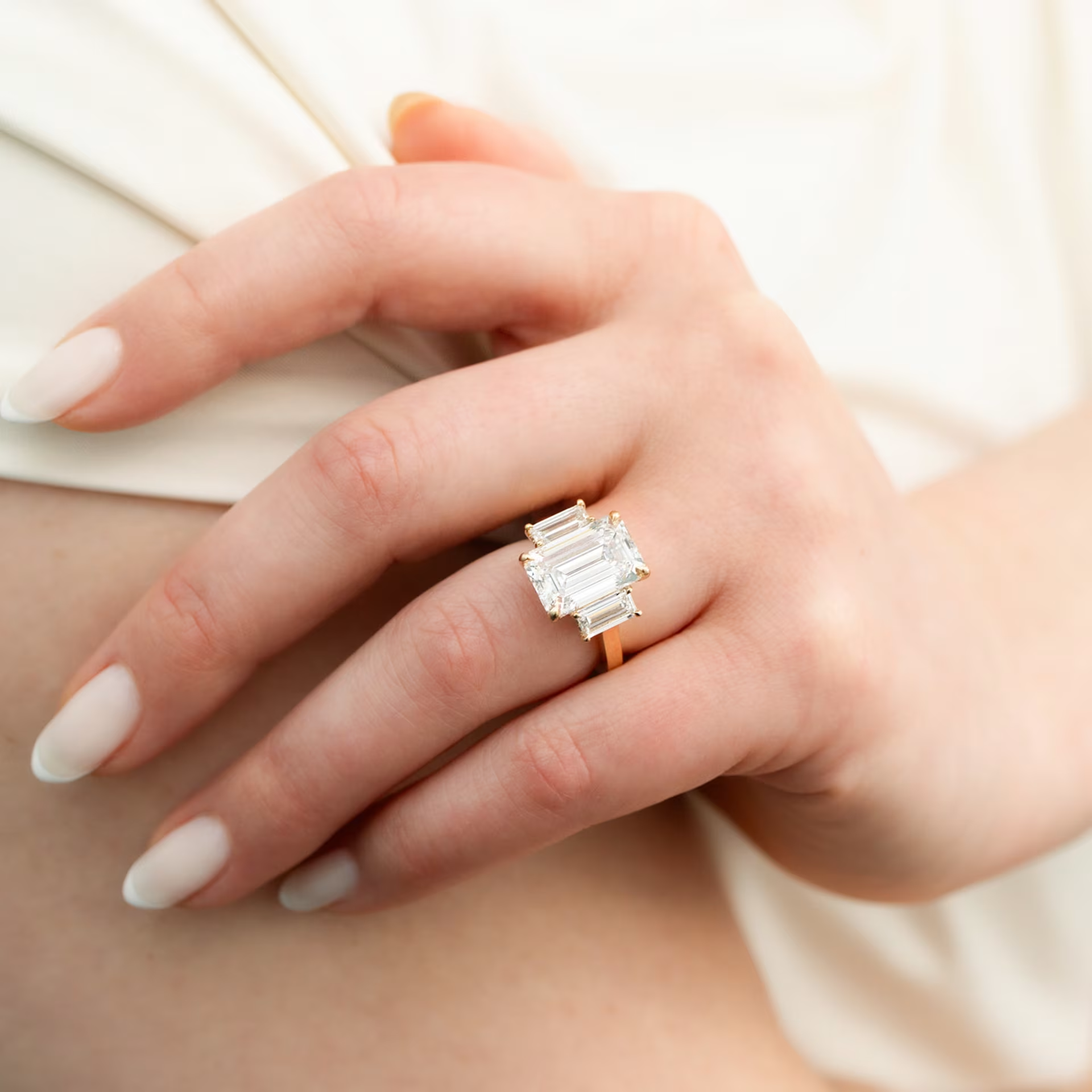
Emerald cut lab diamonds are a step cut, which makes them look and perform differently from the brilliant cuts most people picture when they think of diamonds.
Instead of maximizing sparkle through dozens of small facets, the emerald cut uses long, parallel facets that create a mirror effect, producing eye-catching flashes of light rather than the familiar sparkle of a round diamond.
Emerald cut diamonds are a distinctive and elegant choice, but a step-cut style means inclusions and blemishes in a diamond are much more visible than other shapes. This guide covers what to look for in emerald cut diamonds and how we approach selecting them at Ada.
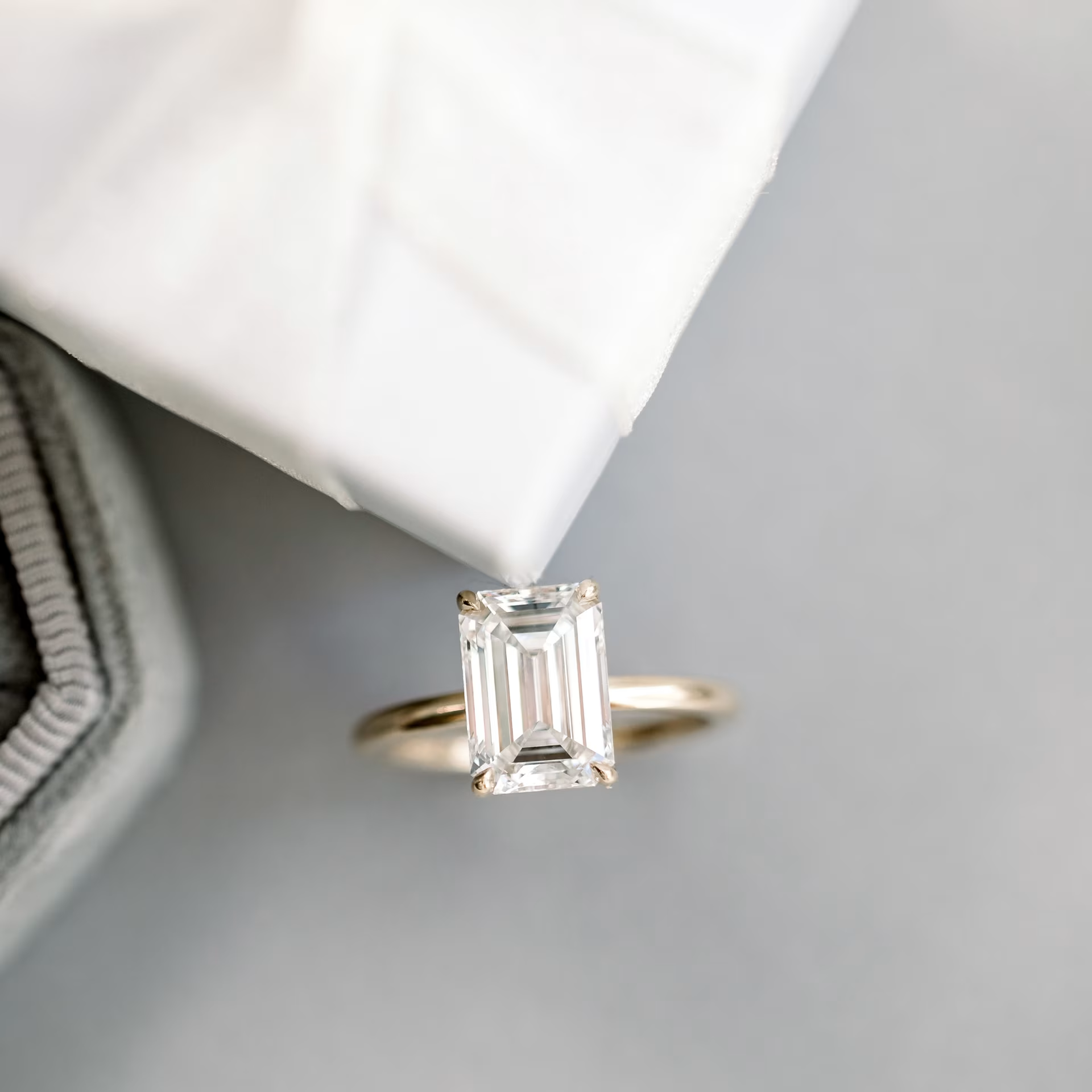
The emerald cut was originally developed for emerald gemstones, then adopted for diamonds because the step-cut style protects the stone's corners and reduces pressure during setting.
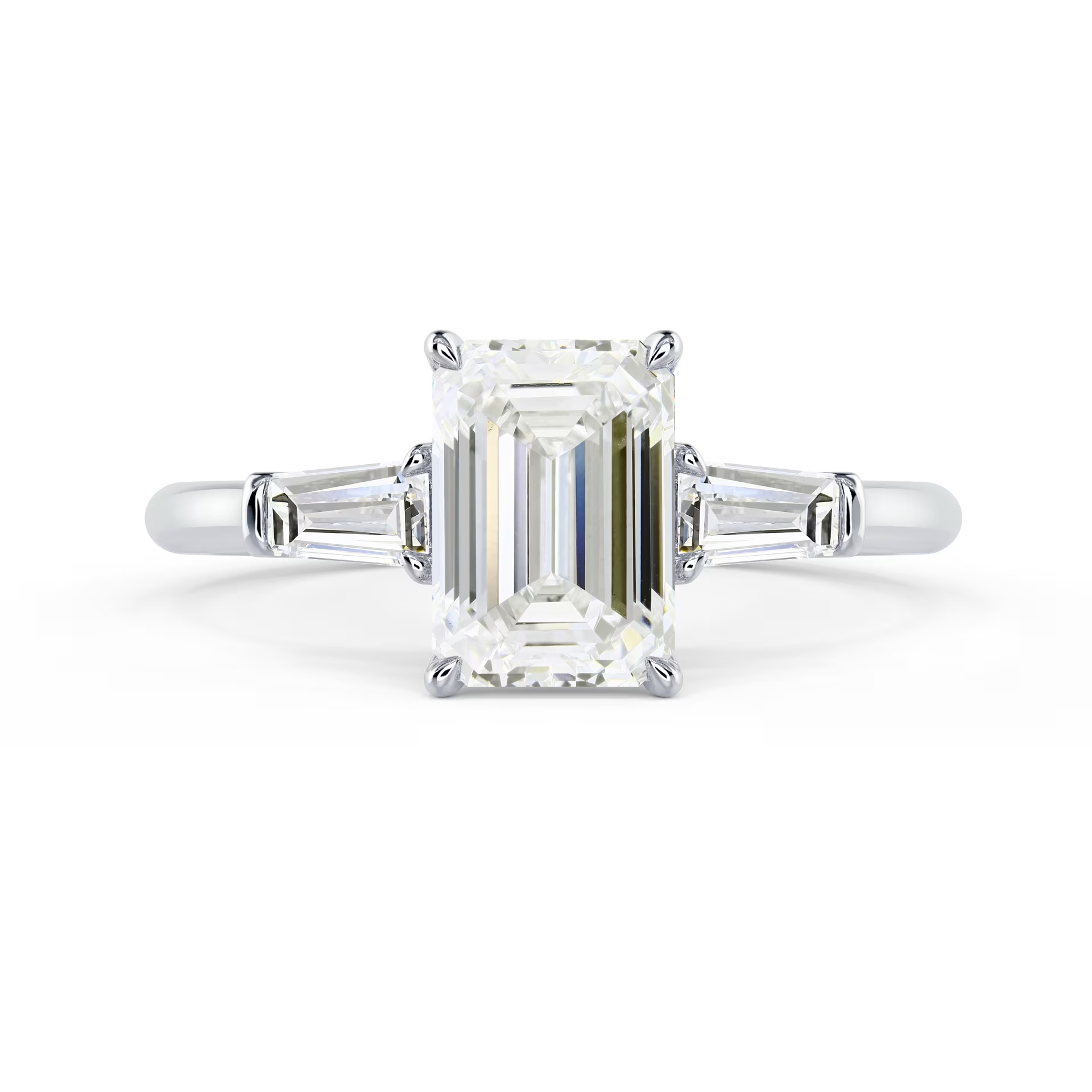
The large, open table is what gives this shape its characteristic look: you can see deep into the stone, which creates that hall-of-mirrors effect when light moves through it.
Emerald cuts tend to look larger face-up than round diamonds of the same carat weight, and the elongated shape is particularly flattering on the hand. They're also one of the few cuts that can make high clarity grades visually meaningful, because the faceting makes inclusions easier to see.
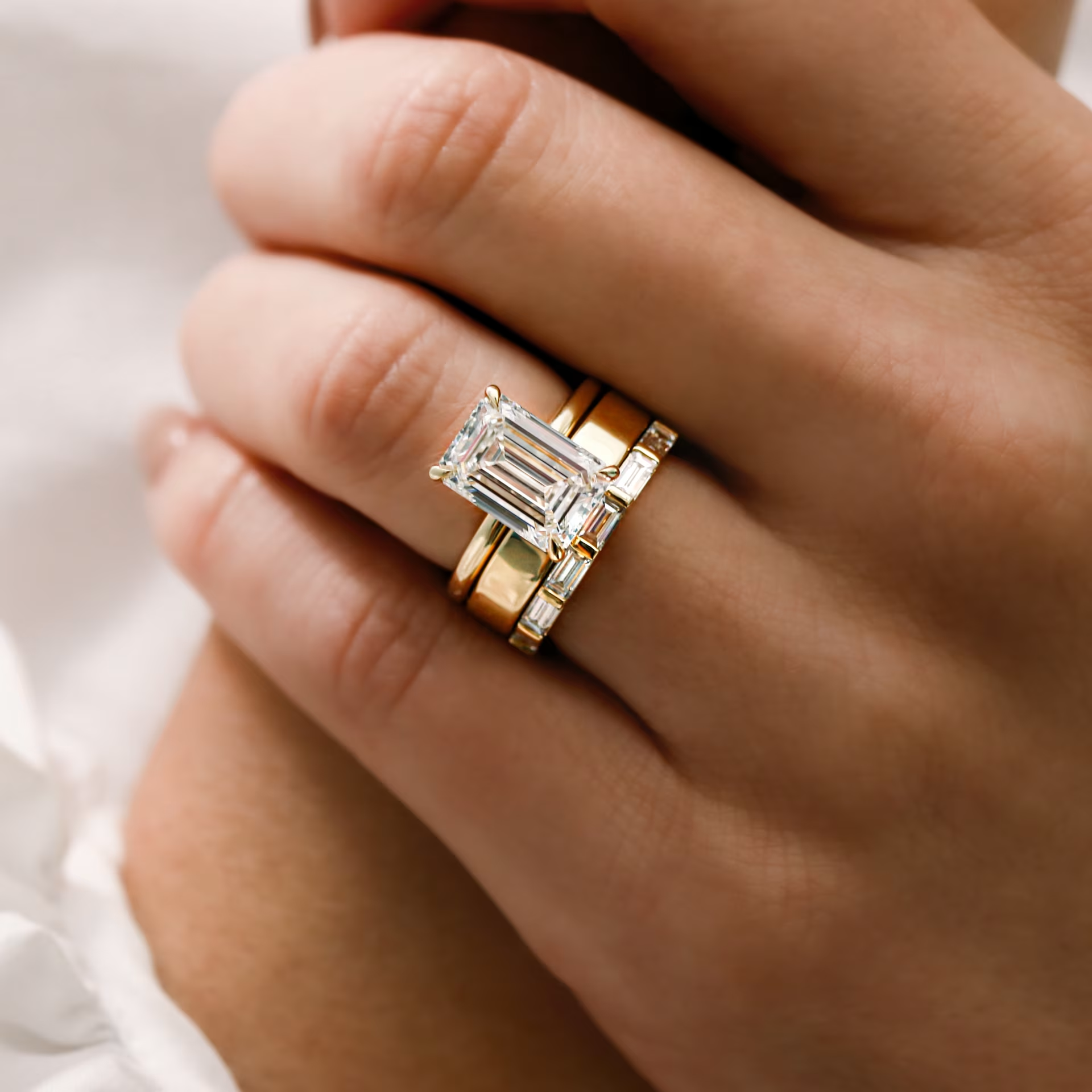
Because the facets are large and open, emerald cuts don't hide inclusions the way brilliant cuts do. A VS1 or better is generally what we recommend, and your concierge will assess each stone for any inclusions that might be visible to the naked eye in the center of the table.
Color is highly important with emerald cuts. Unlike brilliant cuts, the step-cut faceting does not mask color well, so color grade matters more here than with most other shapes. We generally recommend staying in the colorless range (D–F) if you want a bright white diamond. Our team reviews every stone for color nuance, including any unnatural tints that can affect how the diamond looks in real life.
One more thing worth knowing: emerald cuts can have empty, see-through facets in the pavilion. We check for this during an in-person inspection by running a hand behind the loose stone. Some transparency is normal, but you shouldn't be able to see your hand (or anything else) clearly through the diamond.
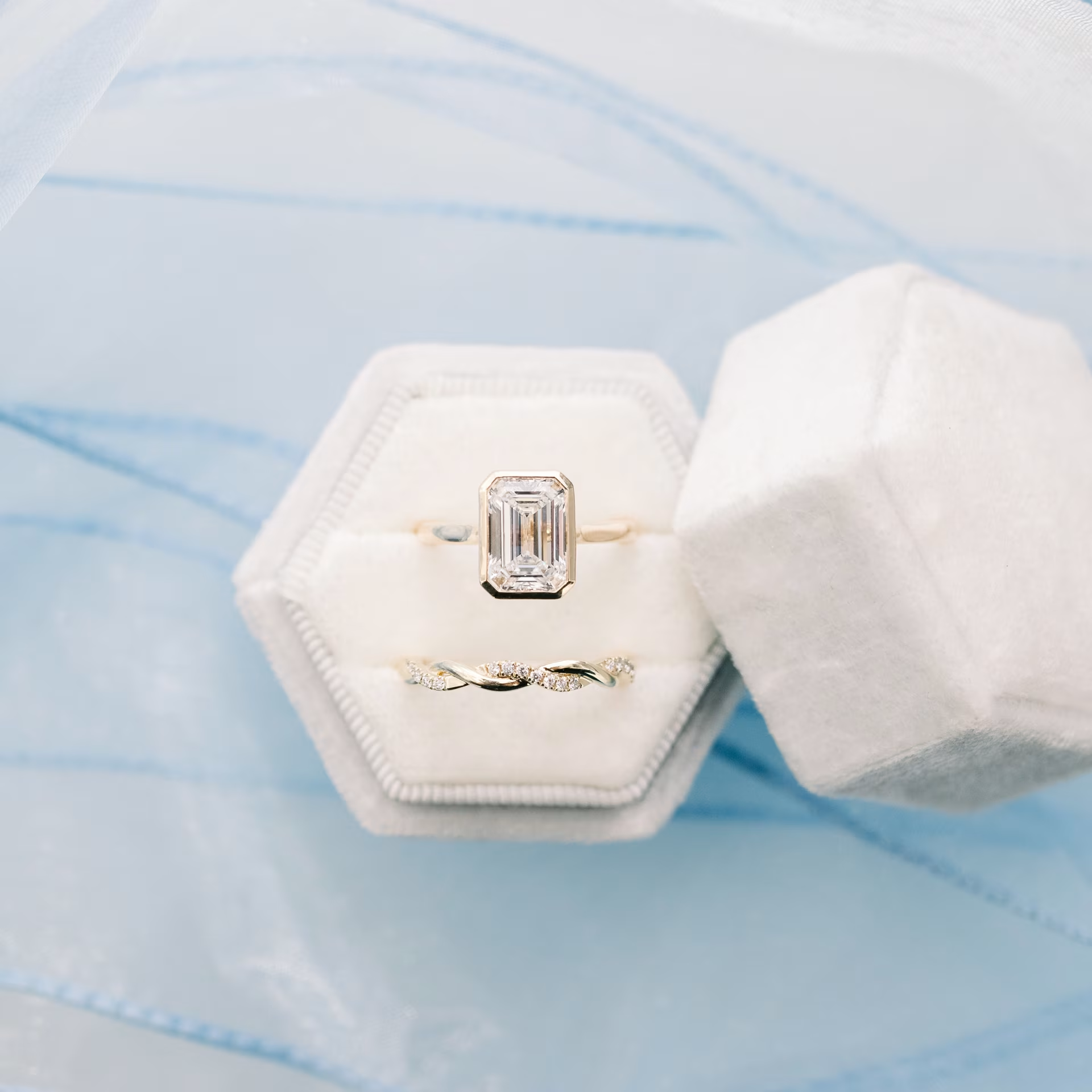
The emerald cut's clean geometry pairs naturally with settings that share its architectural sensibility.
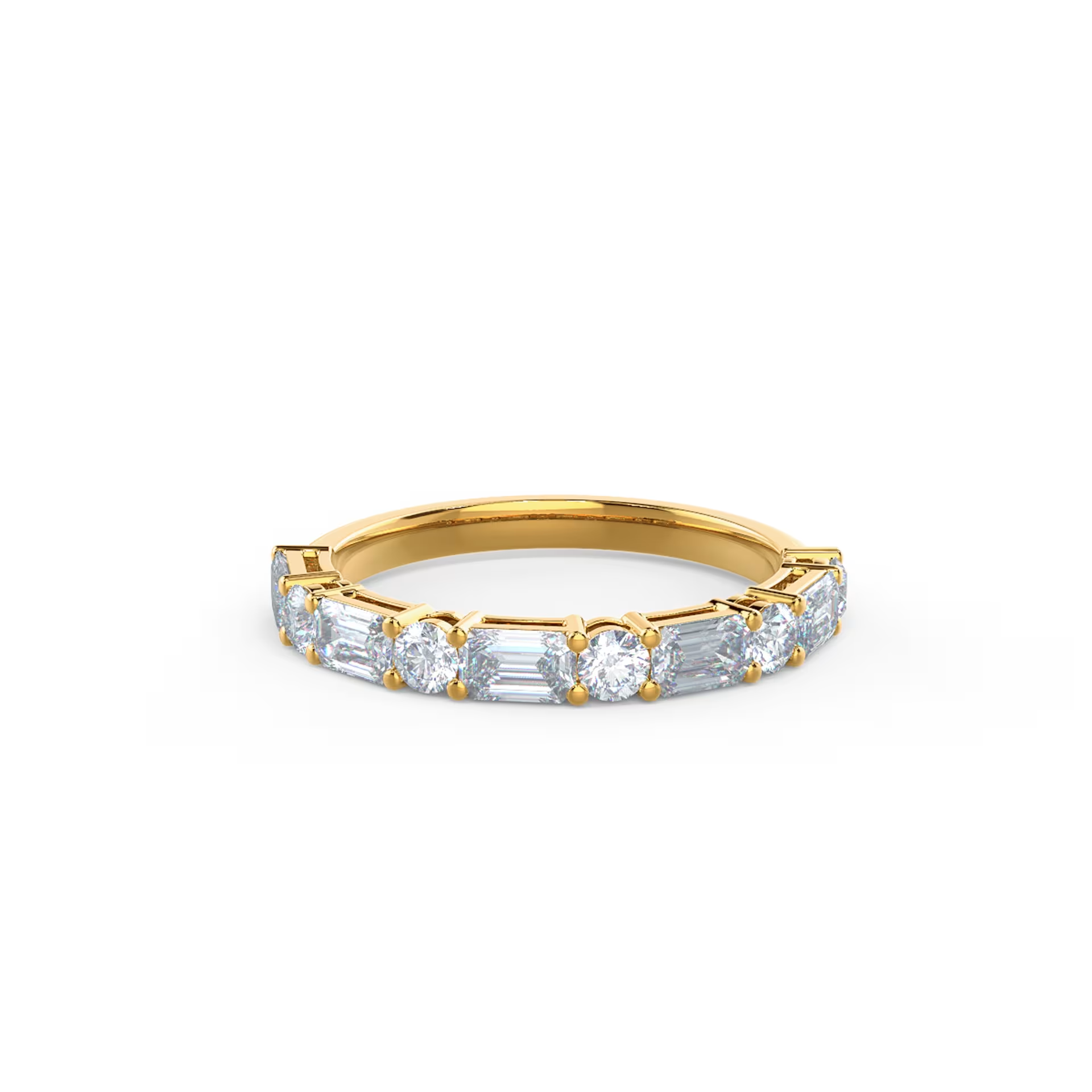
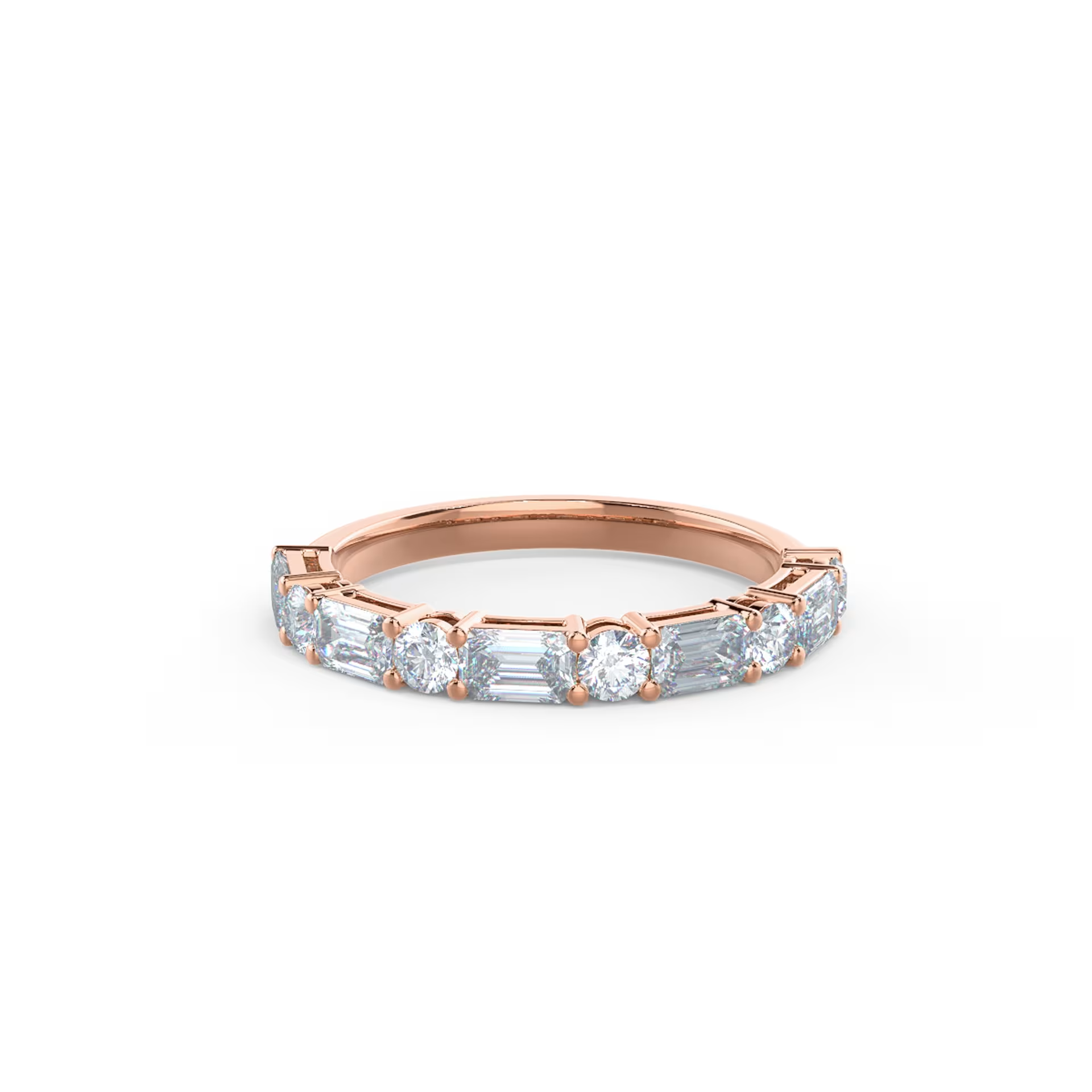
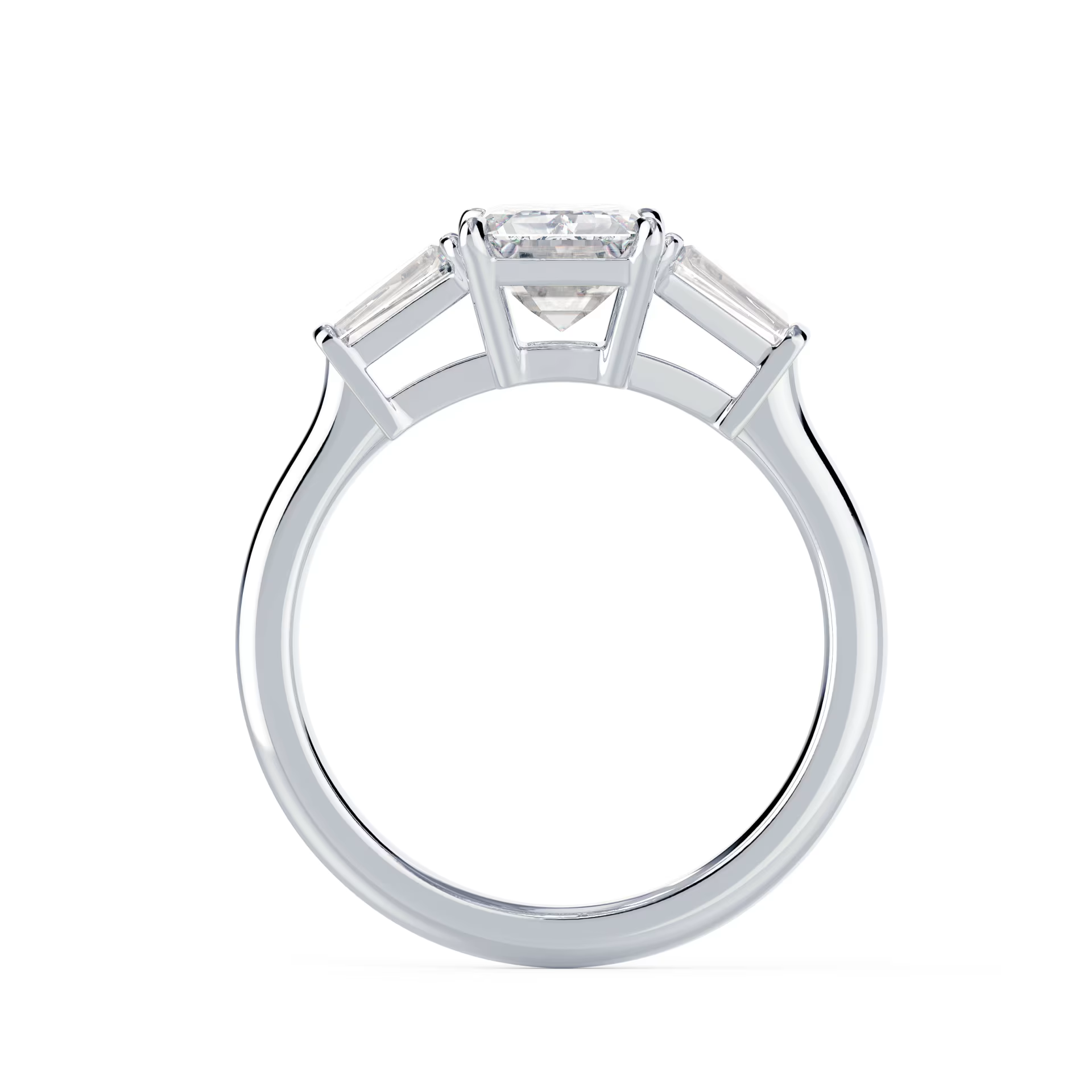
Solitaires are the most popular choice and let the diamond's proportions take center stage. Three-stone settings with tapered baguettes or trapezoids complement the step-cut lines particularly well. East-west orientations also work nicely with this shape, giving the ring a more modern feel. Halos can work, but they tend to look best when kept minimal. A heavy halo can fight with the emerald cut's linear character rather than enhance it.
Your diamond concierge can help you select the perfect setting style to maximize the beauty of your diamond and reflect your style.
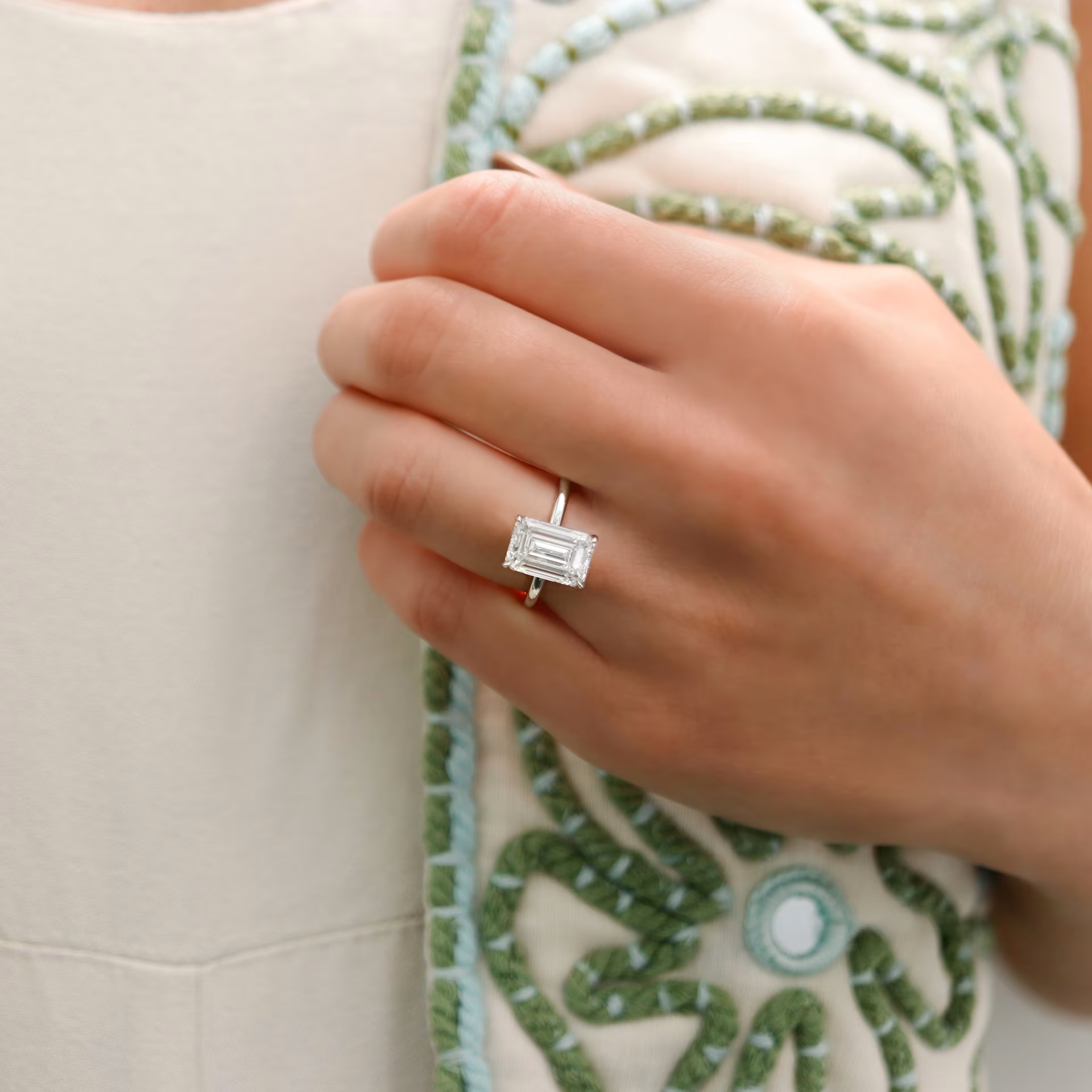
The Asscher cut is the other major step cut, and the two are often compared. The main difference is shape: an Asscher is square with deeply cropped corners, while an emerald cut is rectangular.
The Asscher's smaller surface area and tighter facet pattern create a more compact, windmill-like reflection pattern. The emerald cut reads as more elongated and classic.
Both show clarity, both benefit from the same color considerations, and both reward careful selection. The choice usually comes down to personal preference for proportion and the overall look on the hand.
If you're deciding between the two, your concierge can show you both.
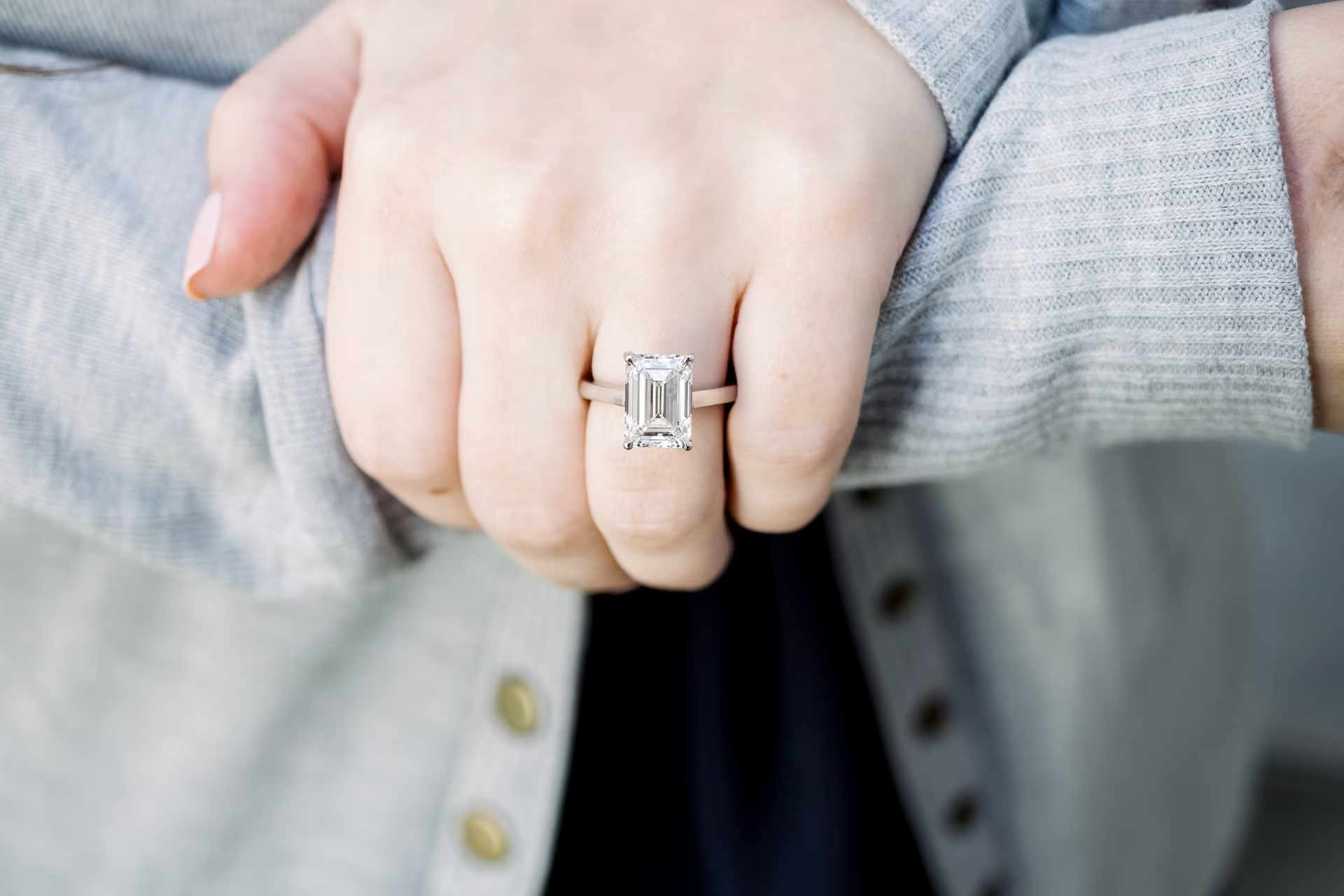
5ct Emerald
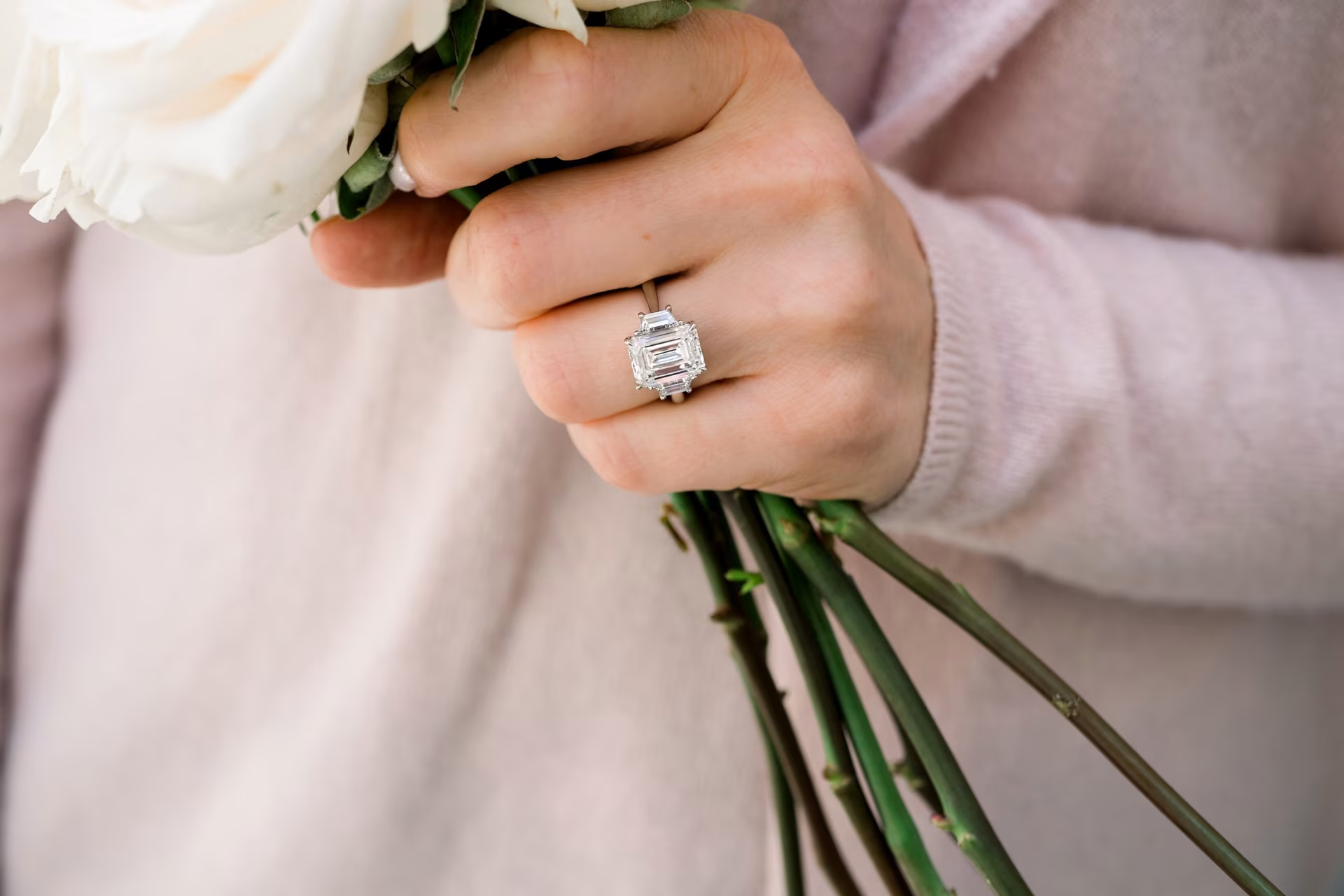
4.5ct Emerald Cut
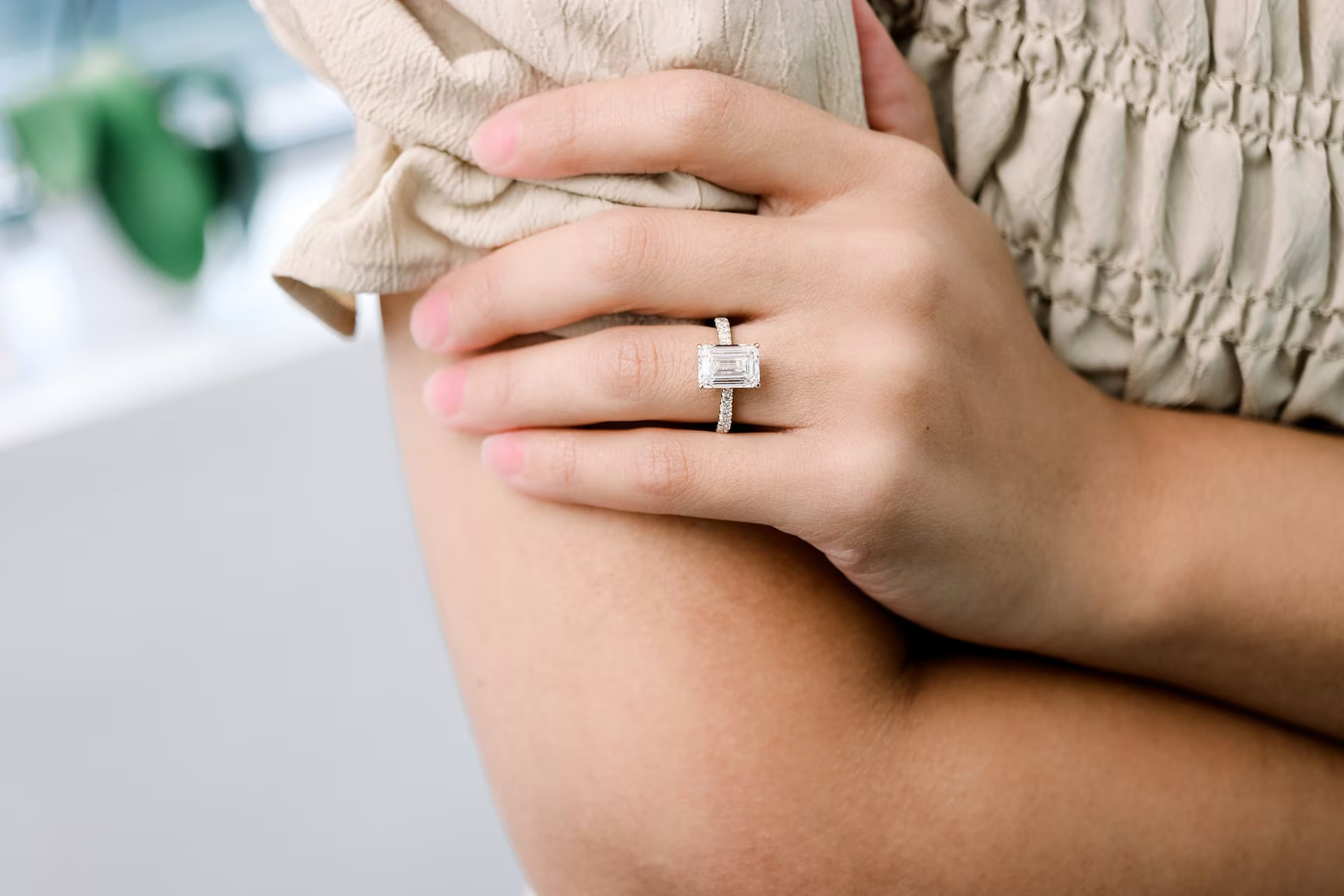
4ct Emerald Cut
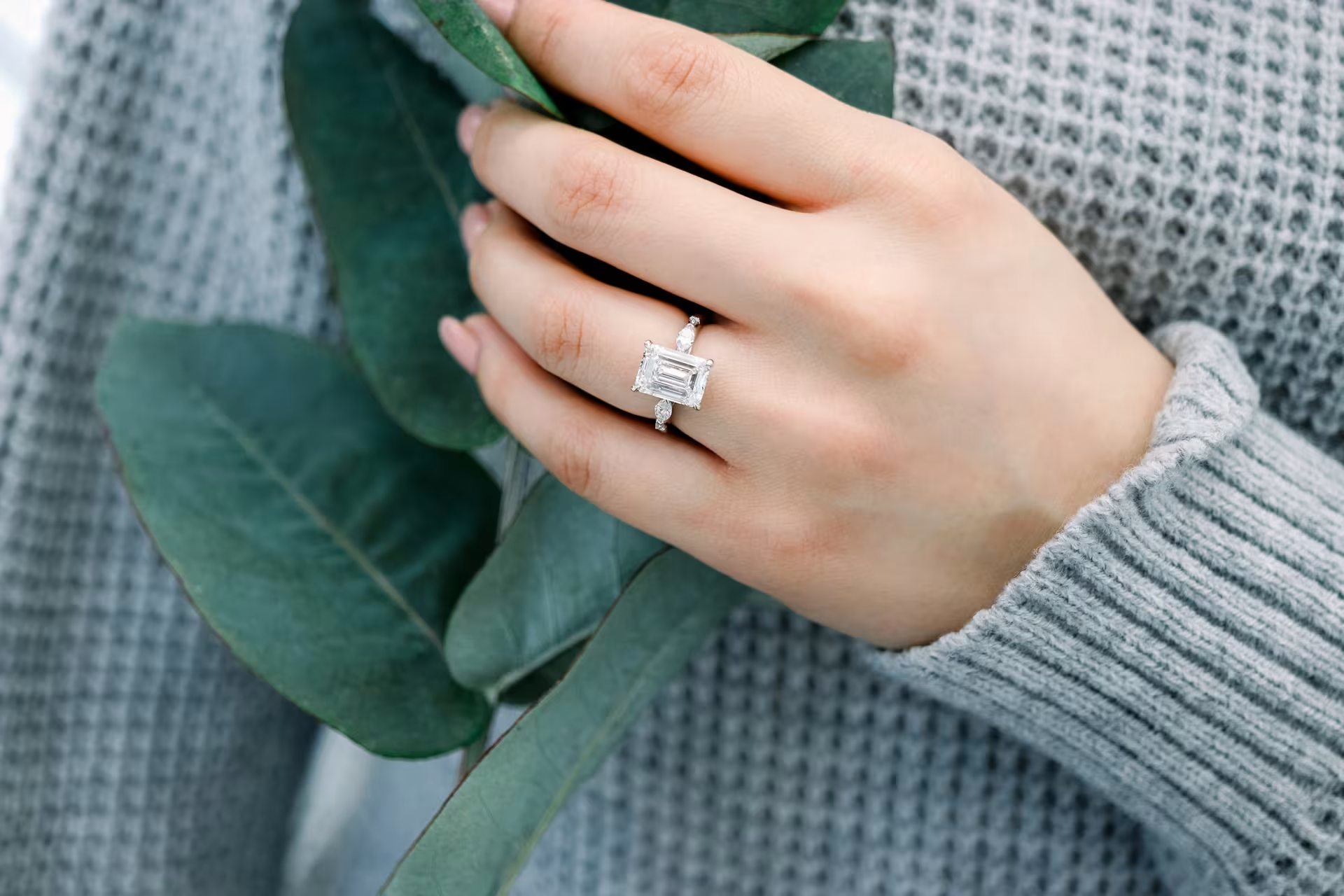
3.5ct Emerald Cut
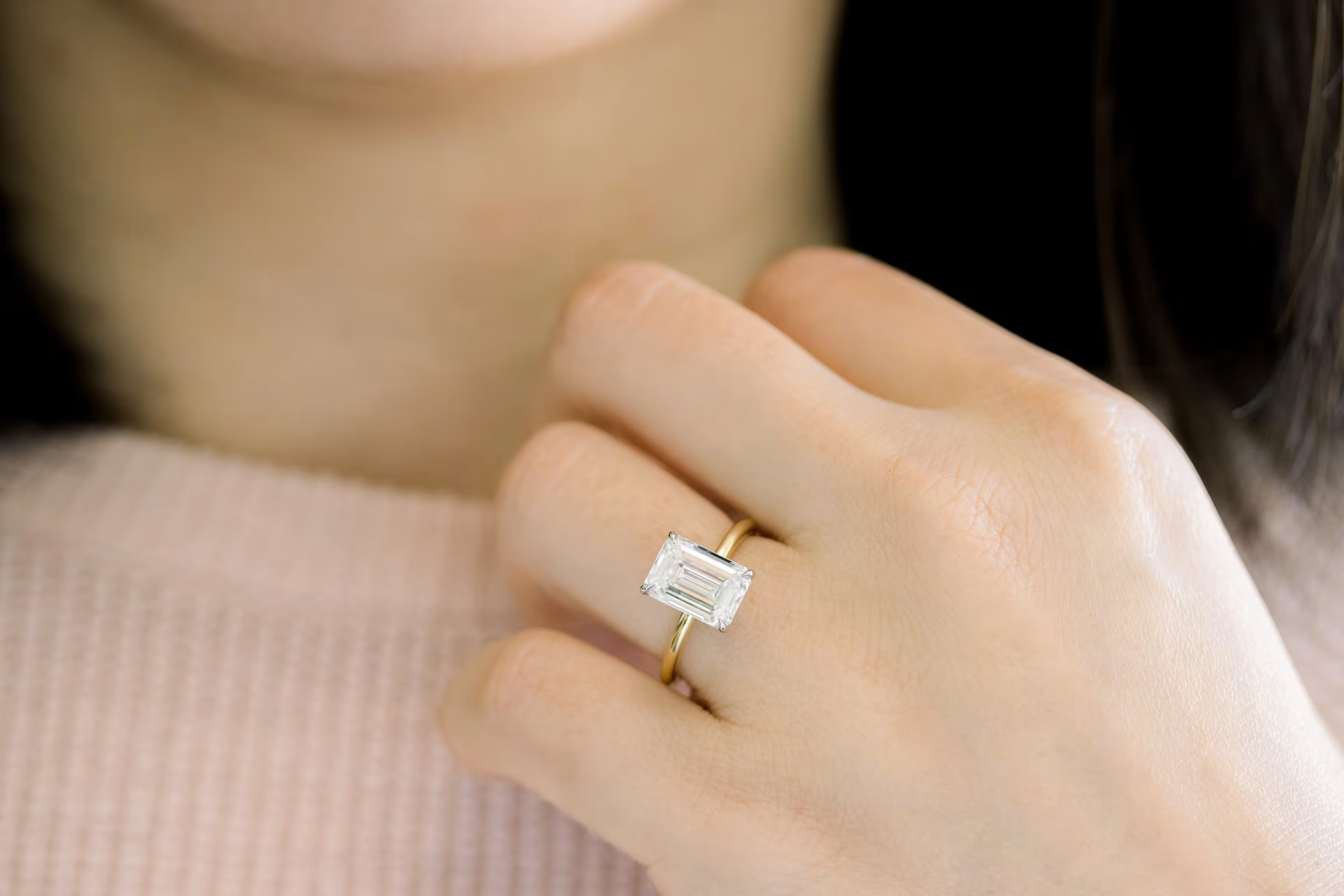
3ct Emerald Cut
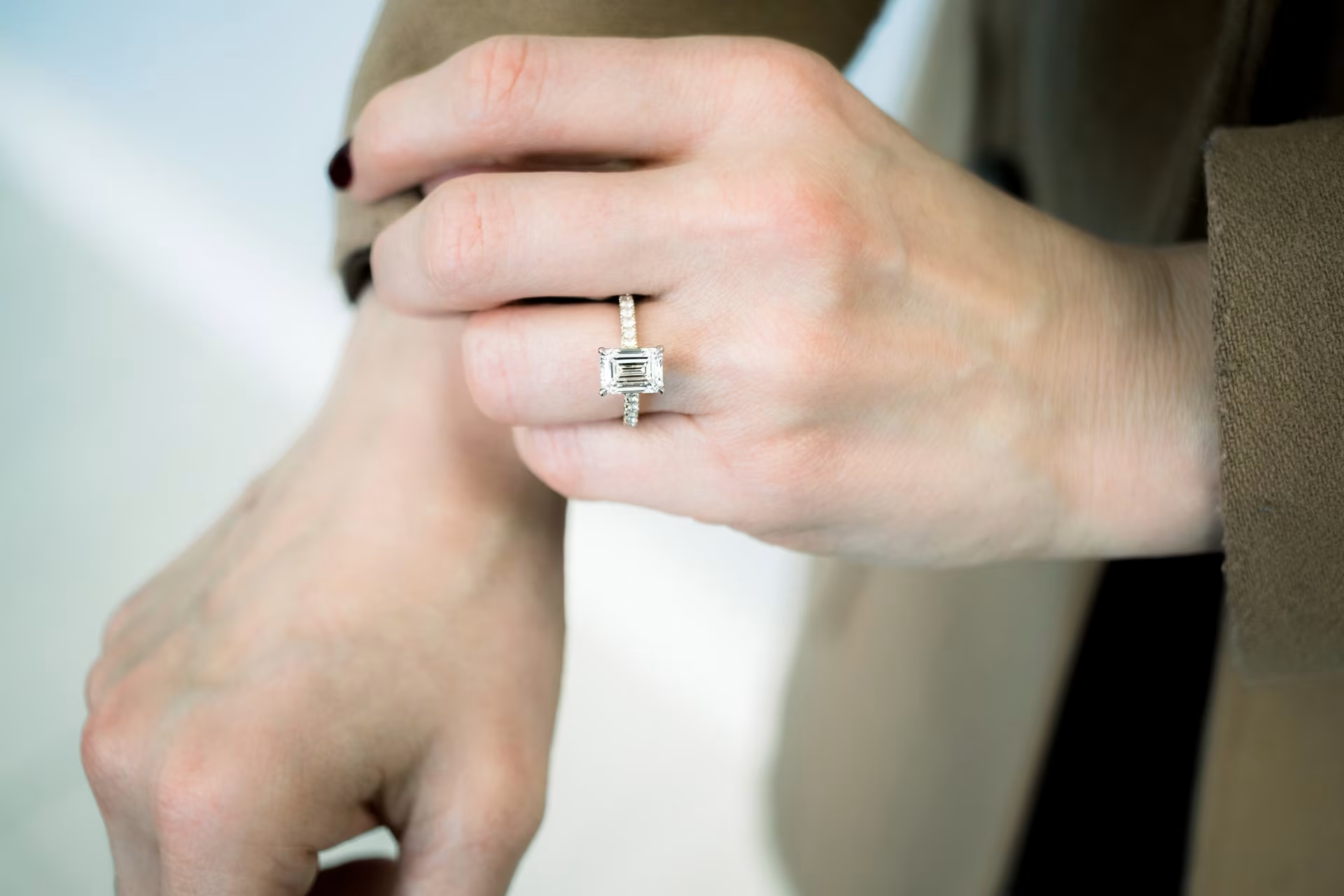
2.5ct Emerald Cut
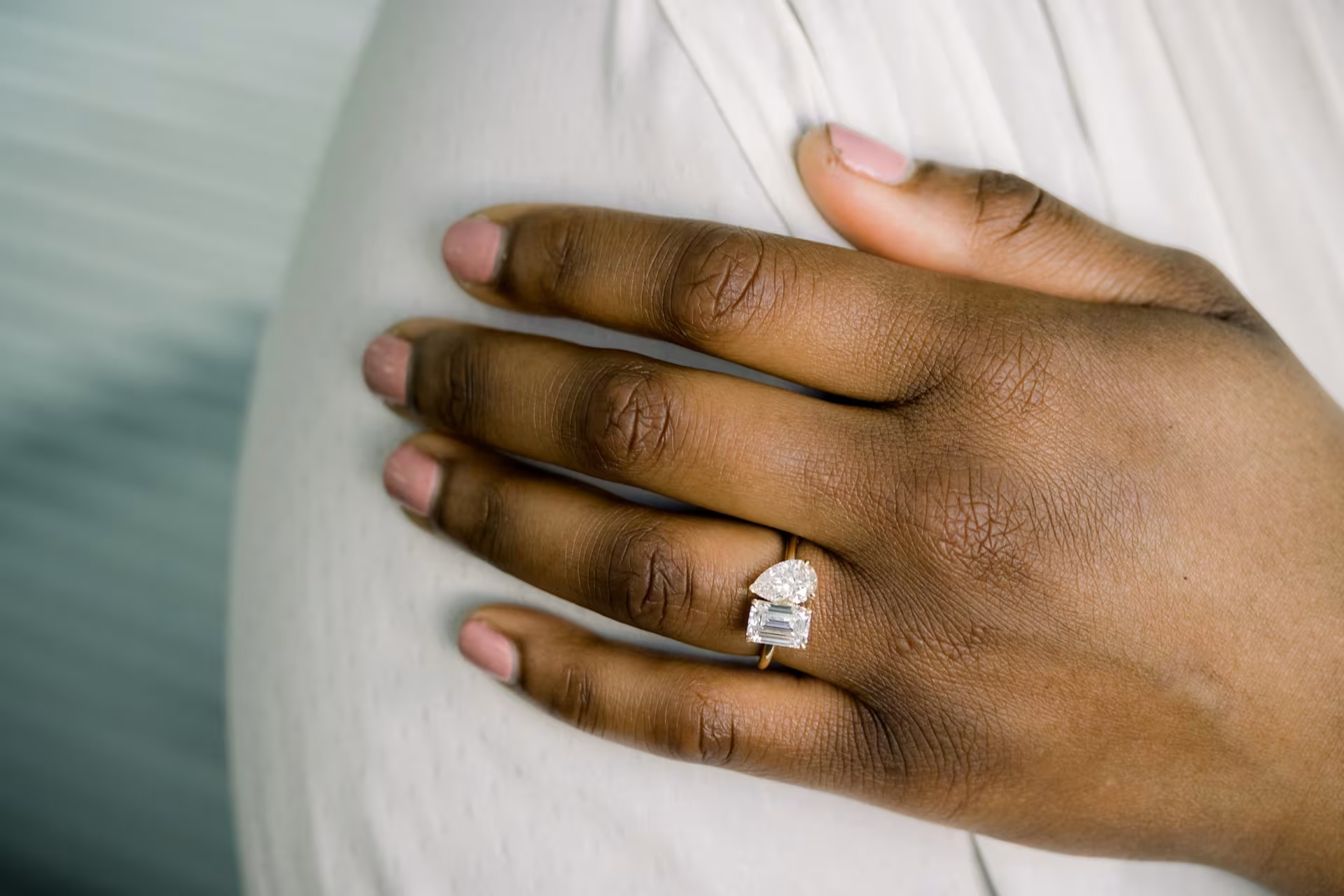
2ct Emerald Cut
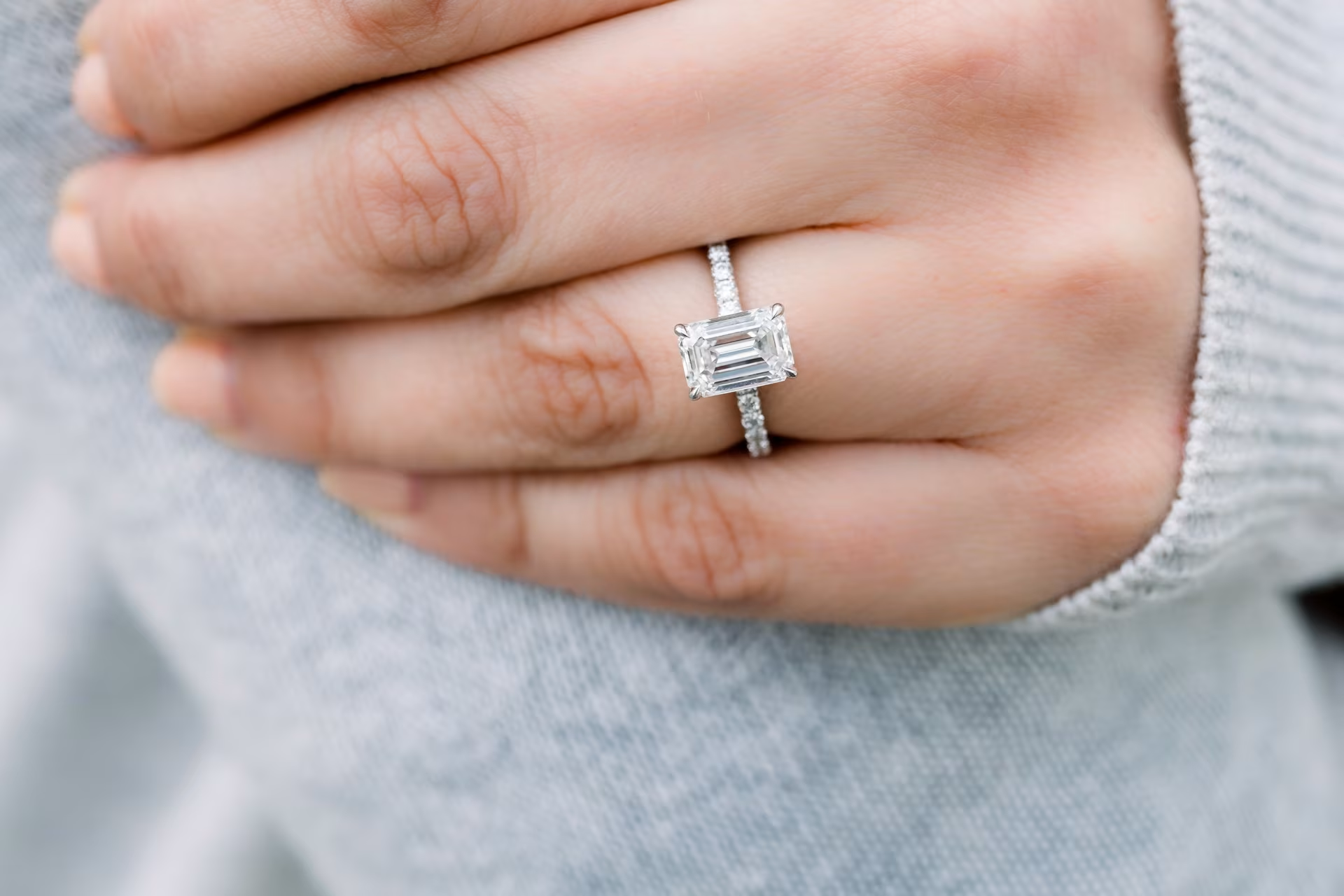
1.5ct Emerald Cut
1.01ct D VS1 Emerald

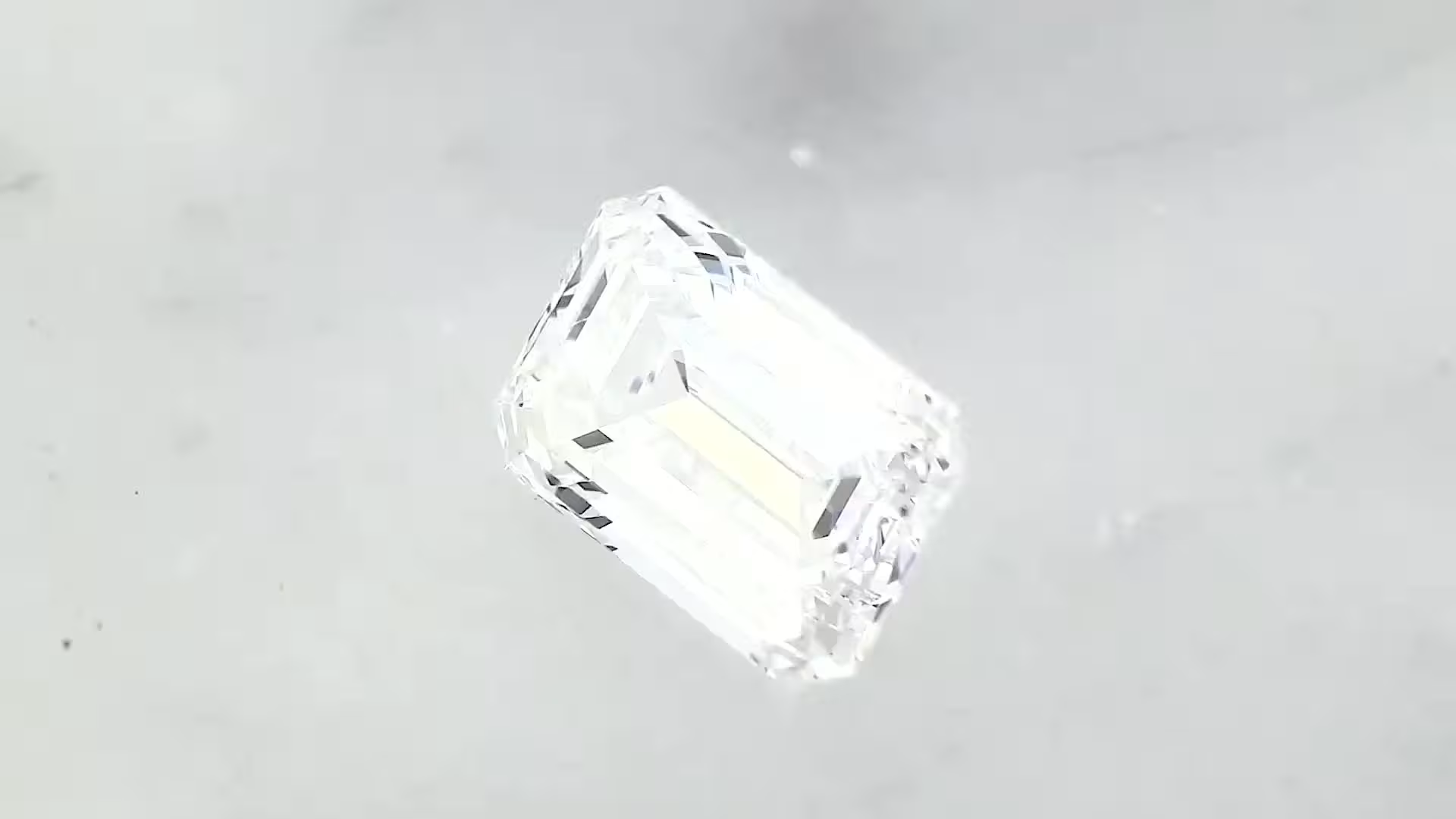
1.01ct D VS1 Emerald
$1,325
1.01ct D VVS1 Emerald
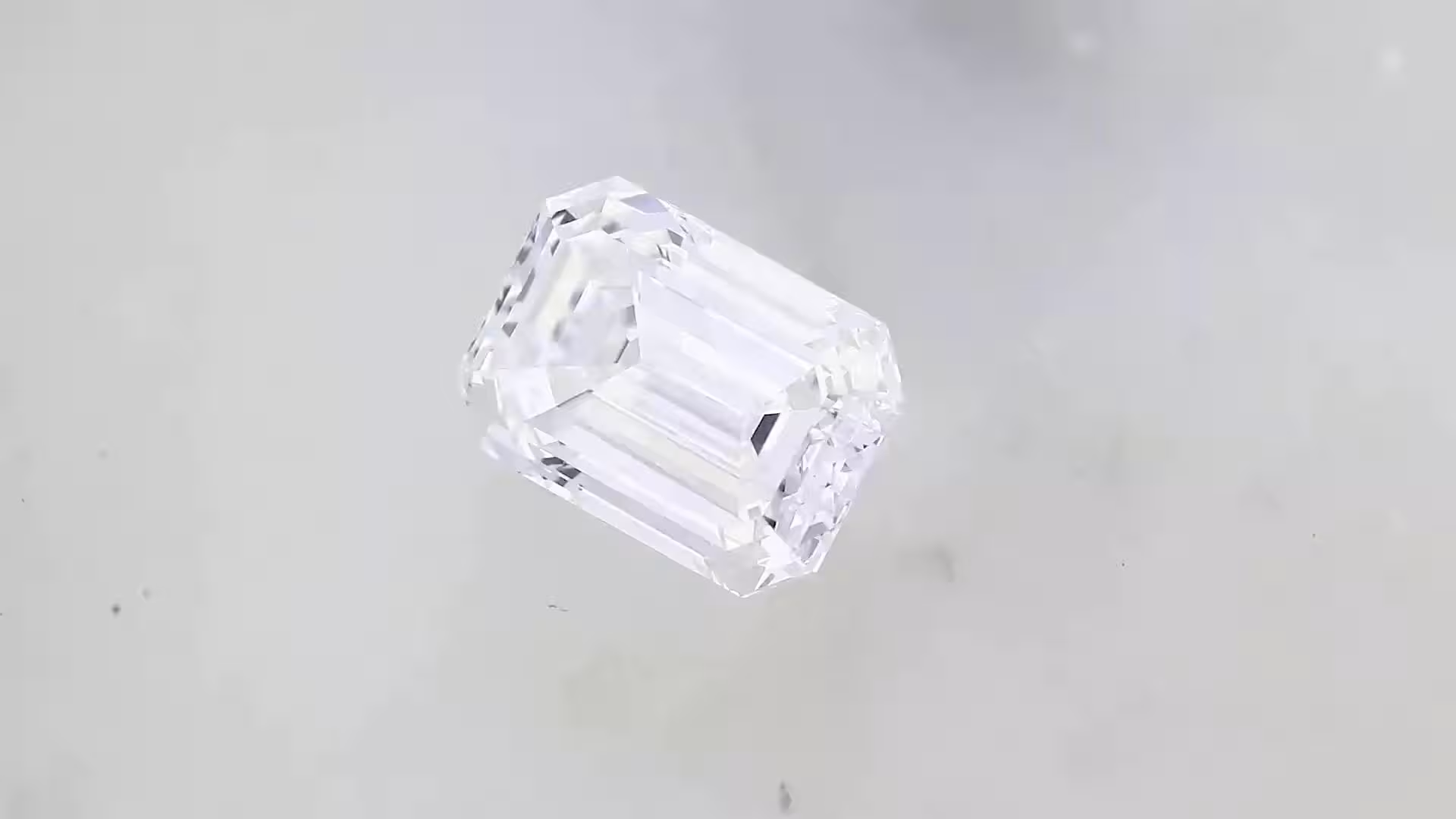
1.01ct D VVS1 Emerald
$1,775
1.02ct D VS1 Emerald
)
1.02ct D VS1 Emerald
$1,350
1.03ct E VS1 Emerald
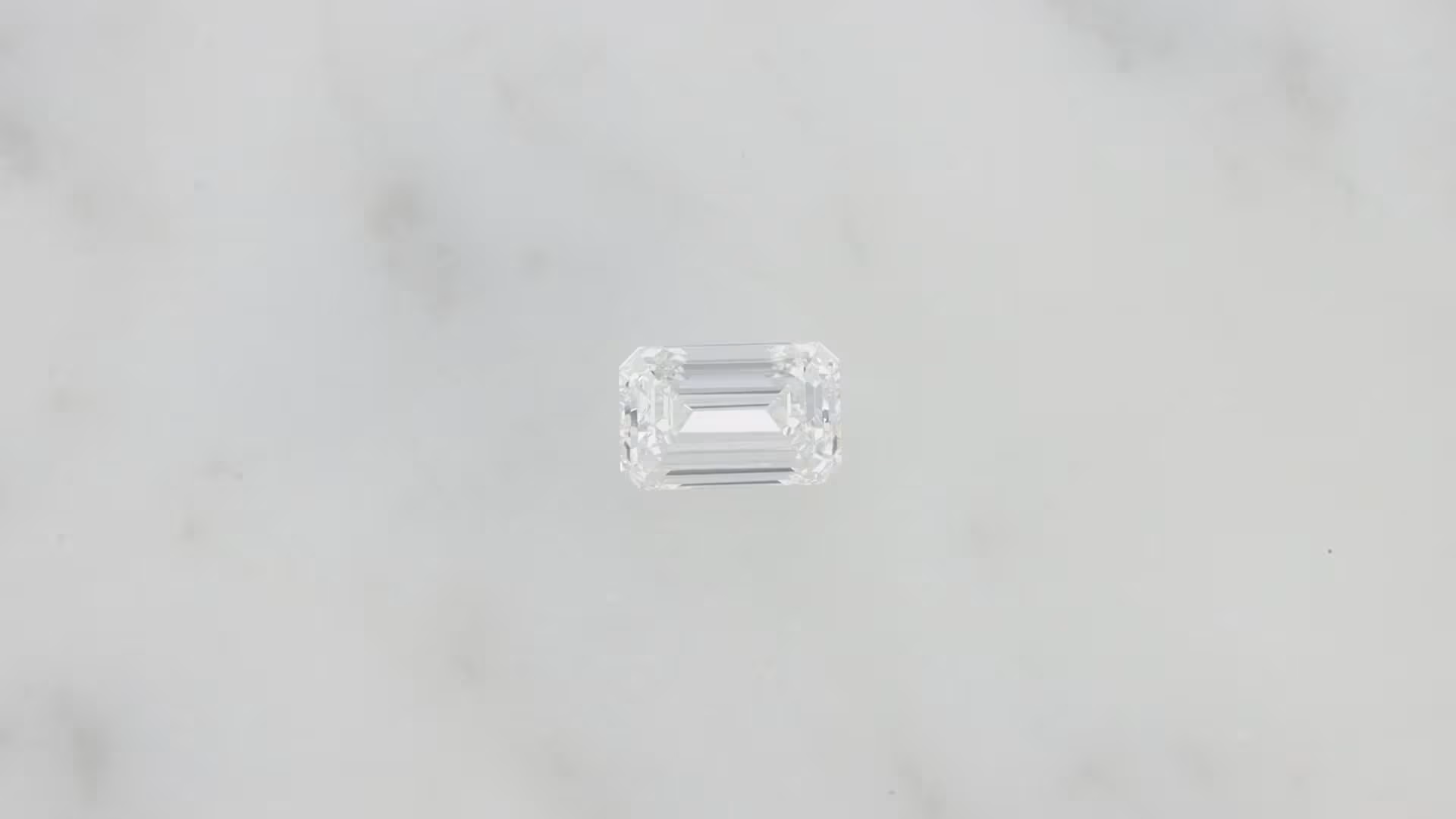
1.03ct E VS1 Emerald
$1,200
1.04ct D VVS2 Emerald
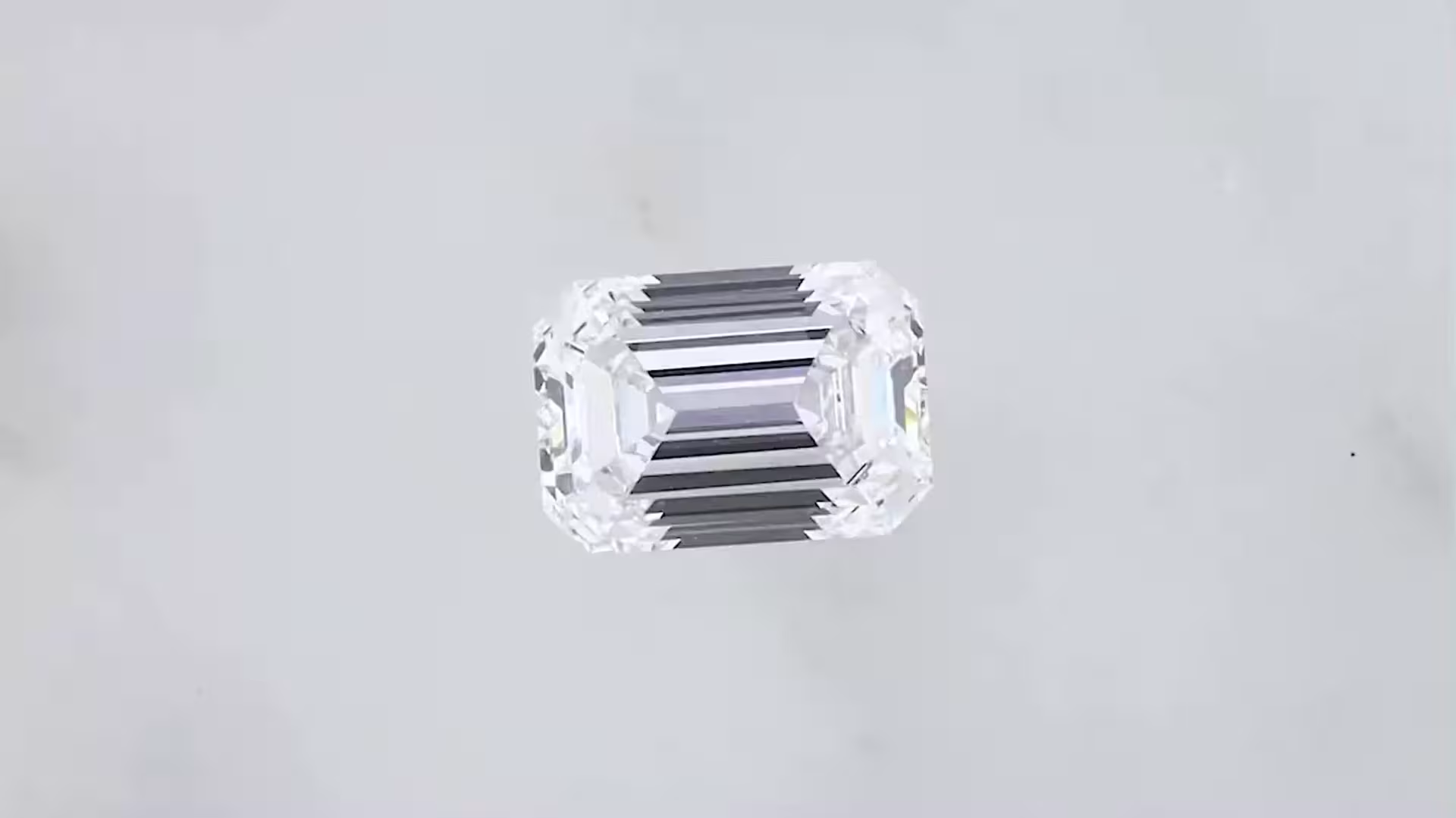
1.04ct D VVS2 Emerald
$1,575
1.06ct E VS1 Emerald
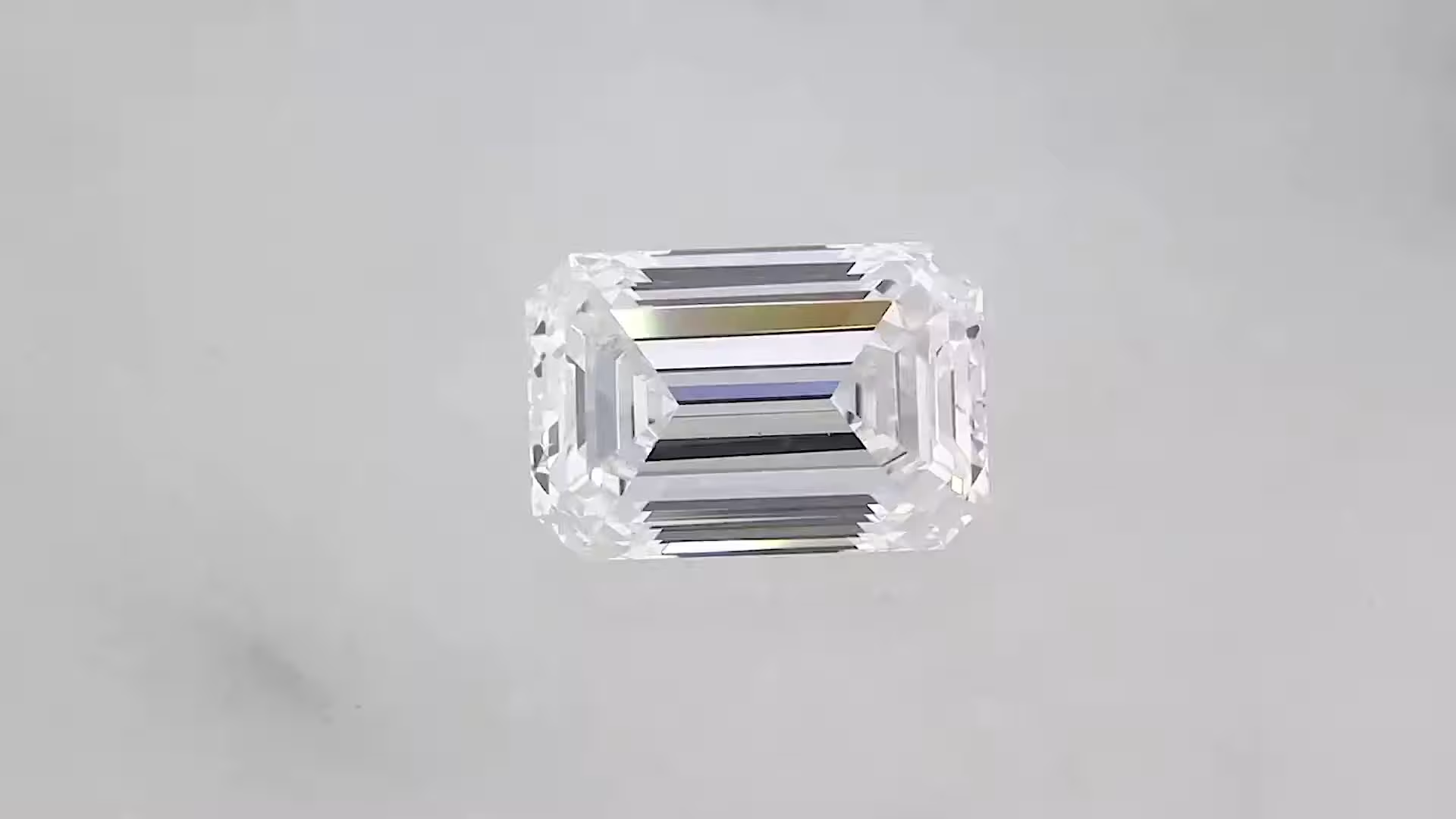
1.06ct E VS1 Emerald
$1,225
1.07ct D VVS2 Emerald
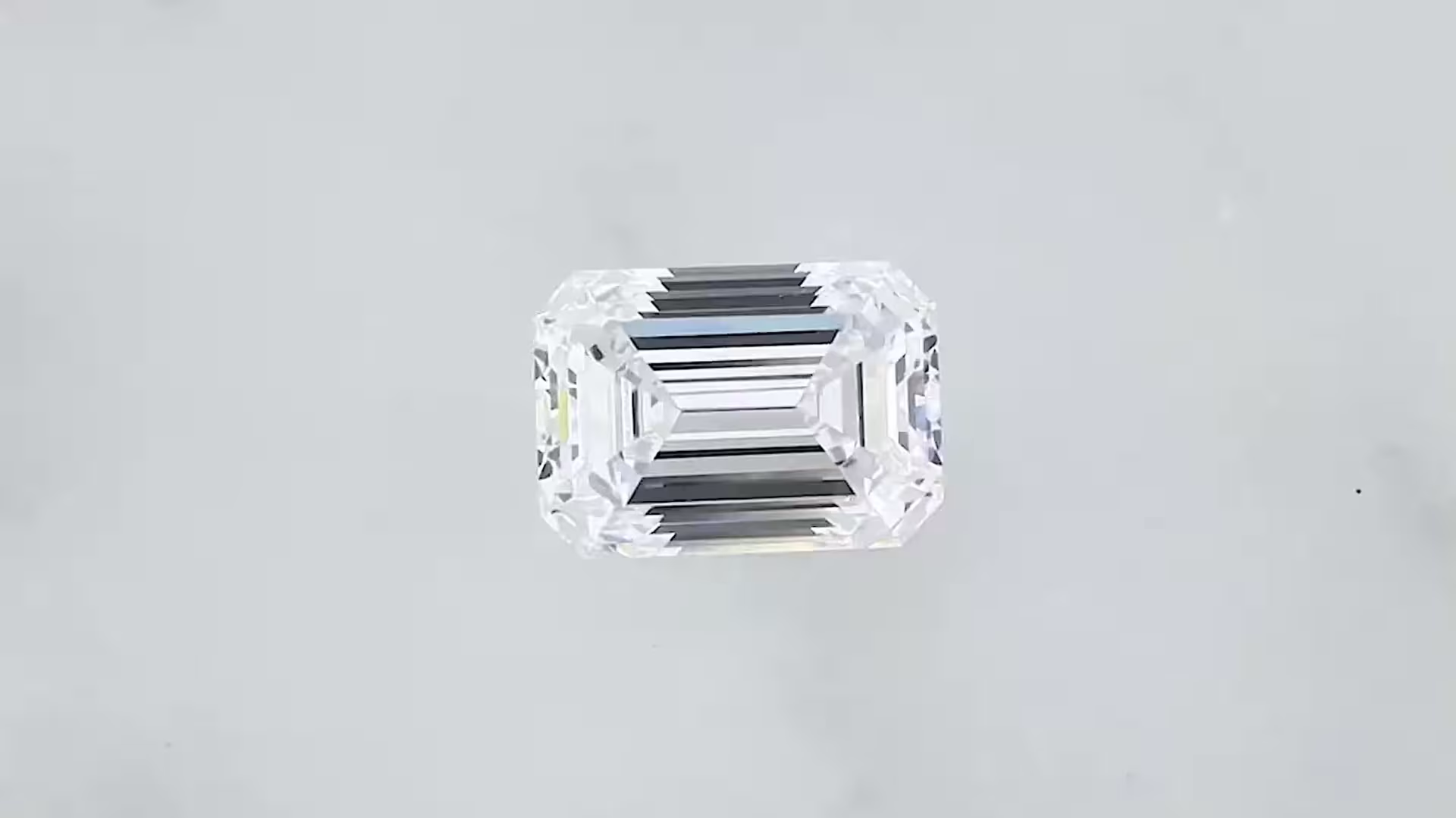
1.07ct D VVS2 Emerald
$1,625
1.08ct E VVS2 Emerald
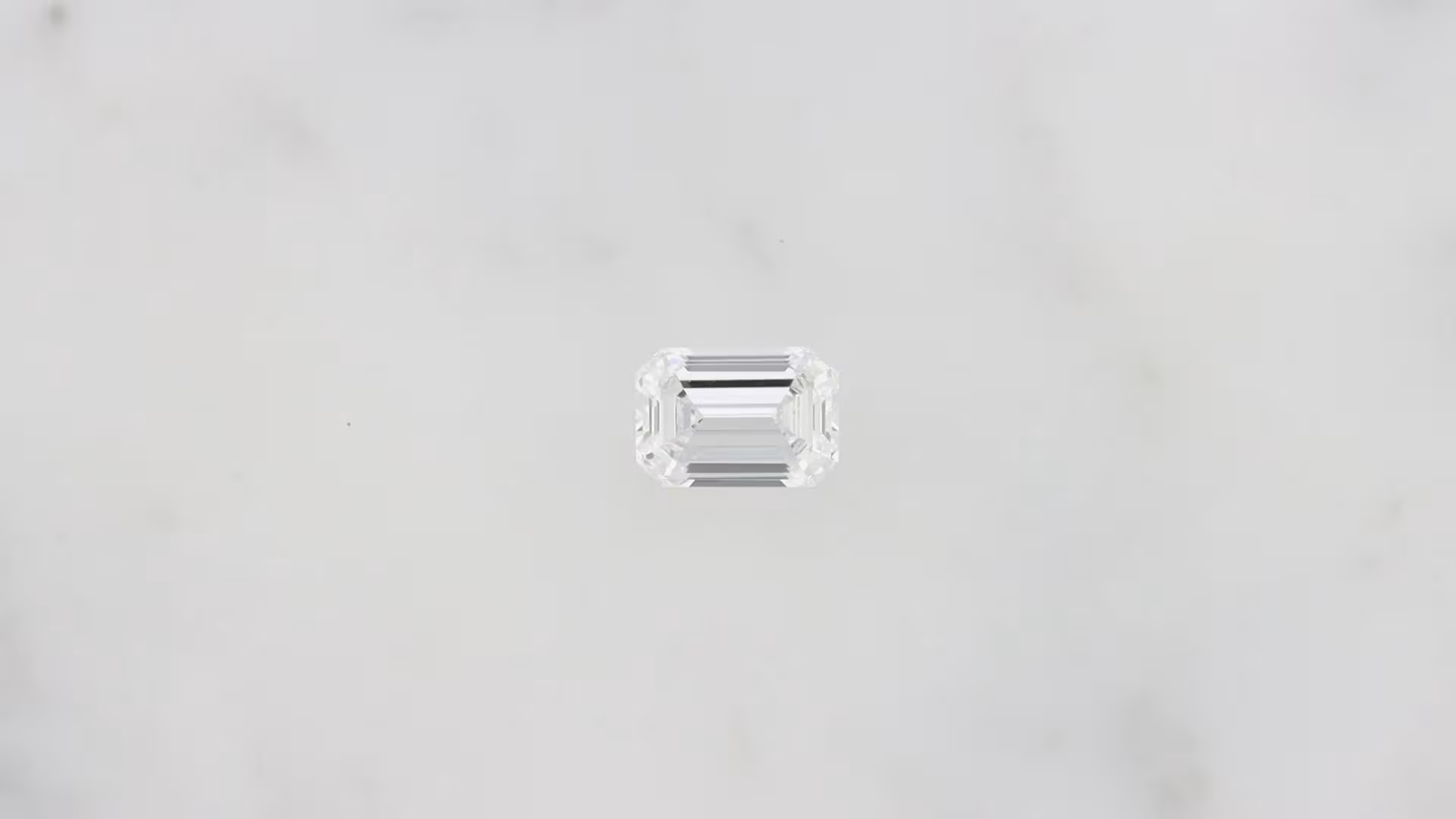
1.08ct E VVS2 Emerald
$1,475
1.08ct E VVS2 Emerald
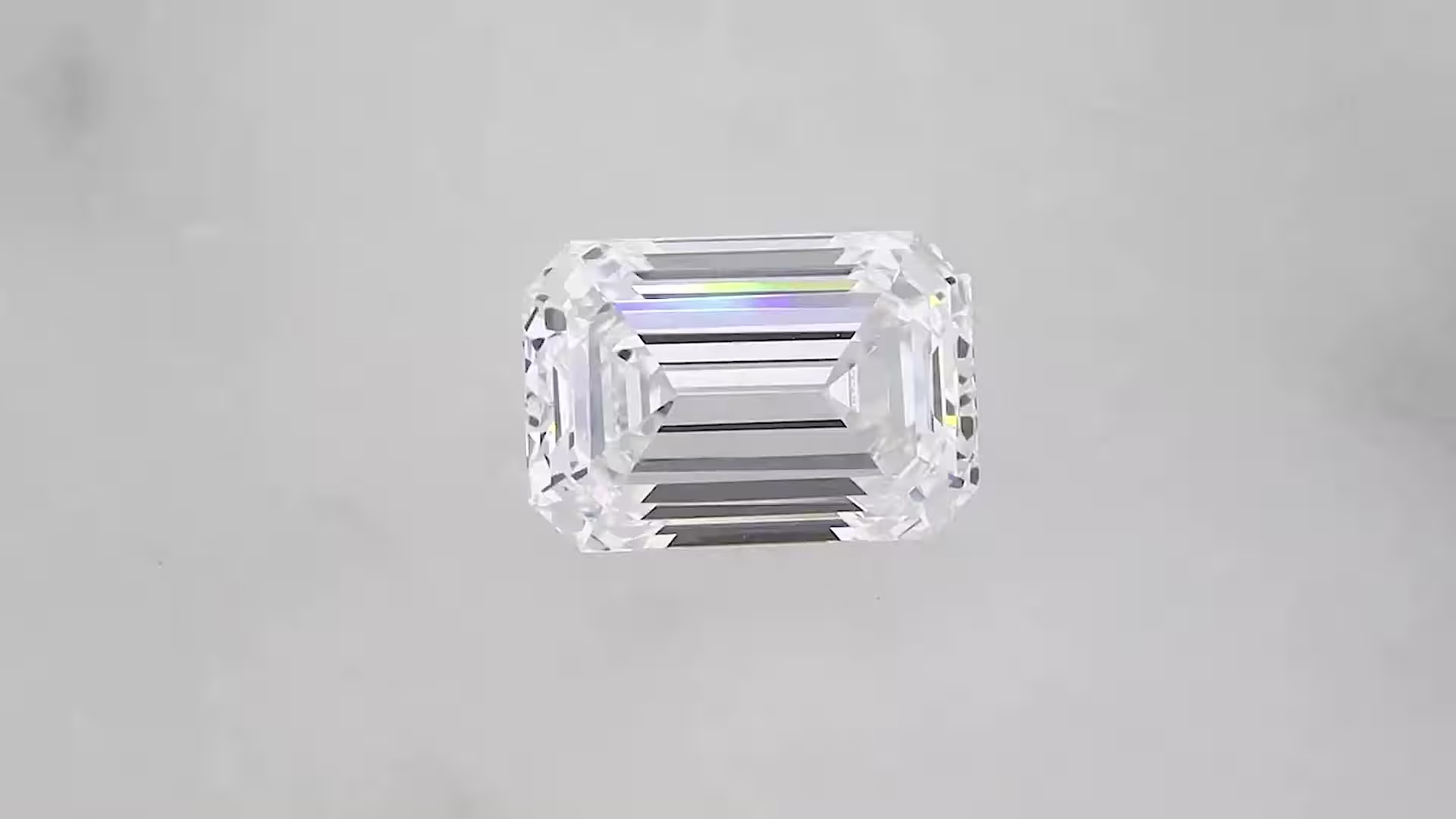
1.08ct E VVS2 Emerald
$1,475
1.08ct D VVS2 Emerald
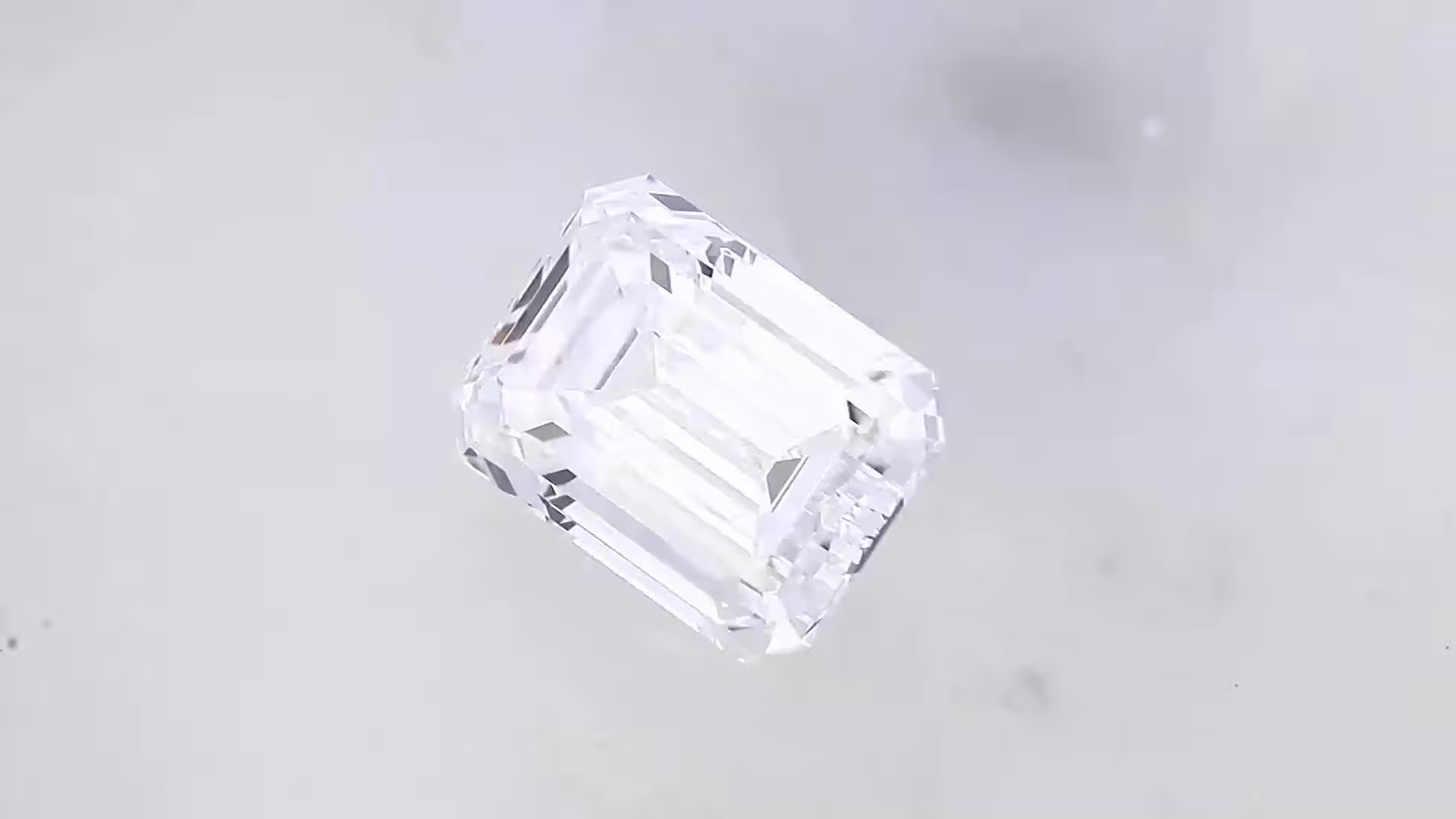
1.08ct D VVS2 Emerald
$1,650
1.09ct D VVS2 Emerald
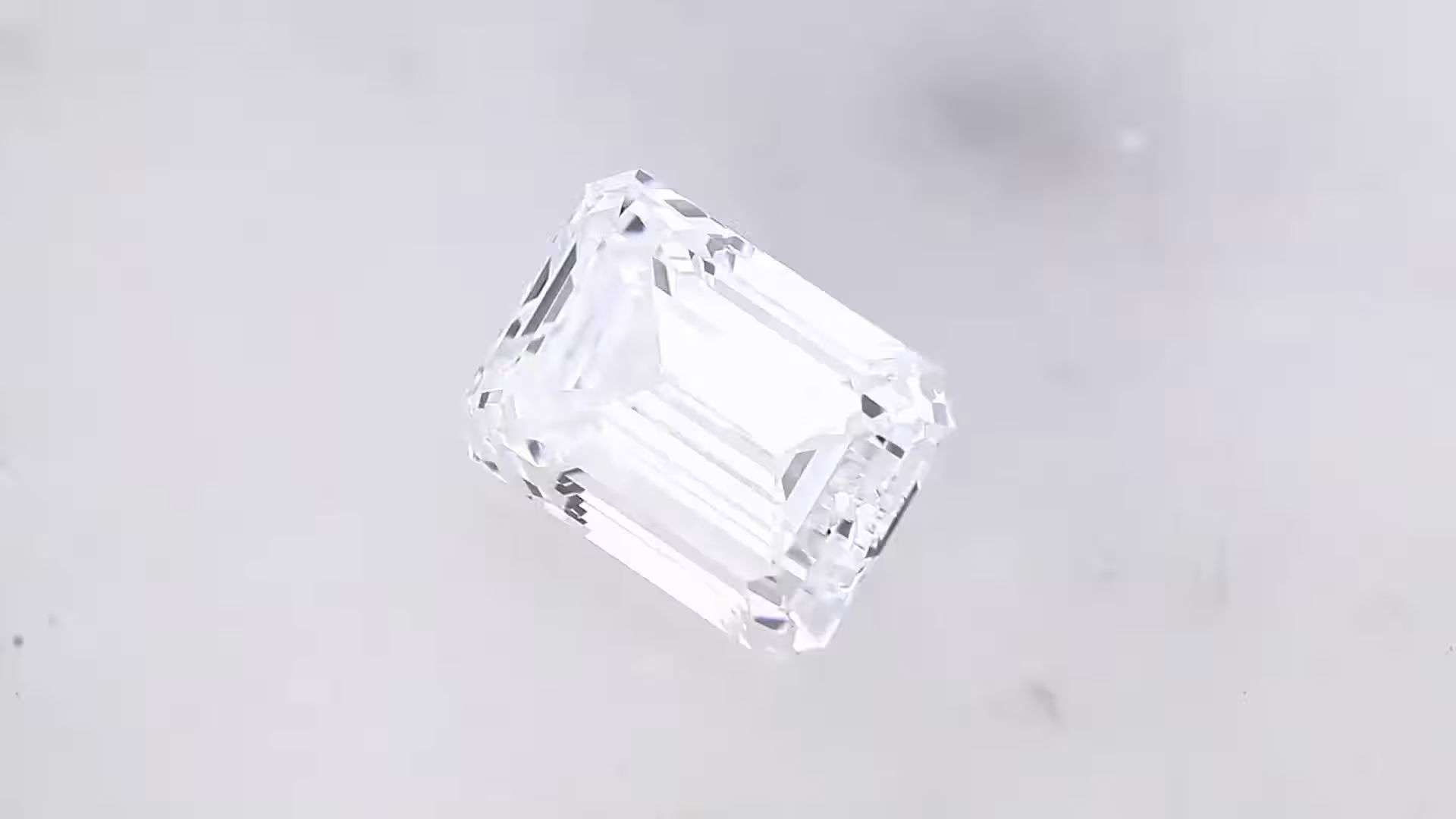
1.09ct D VVS2 Emerald
$1,650
1.14ct D VVS2 Emerald
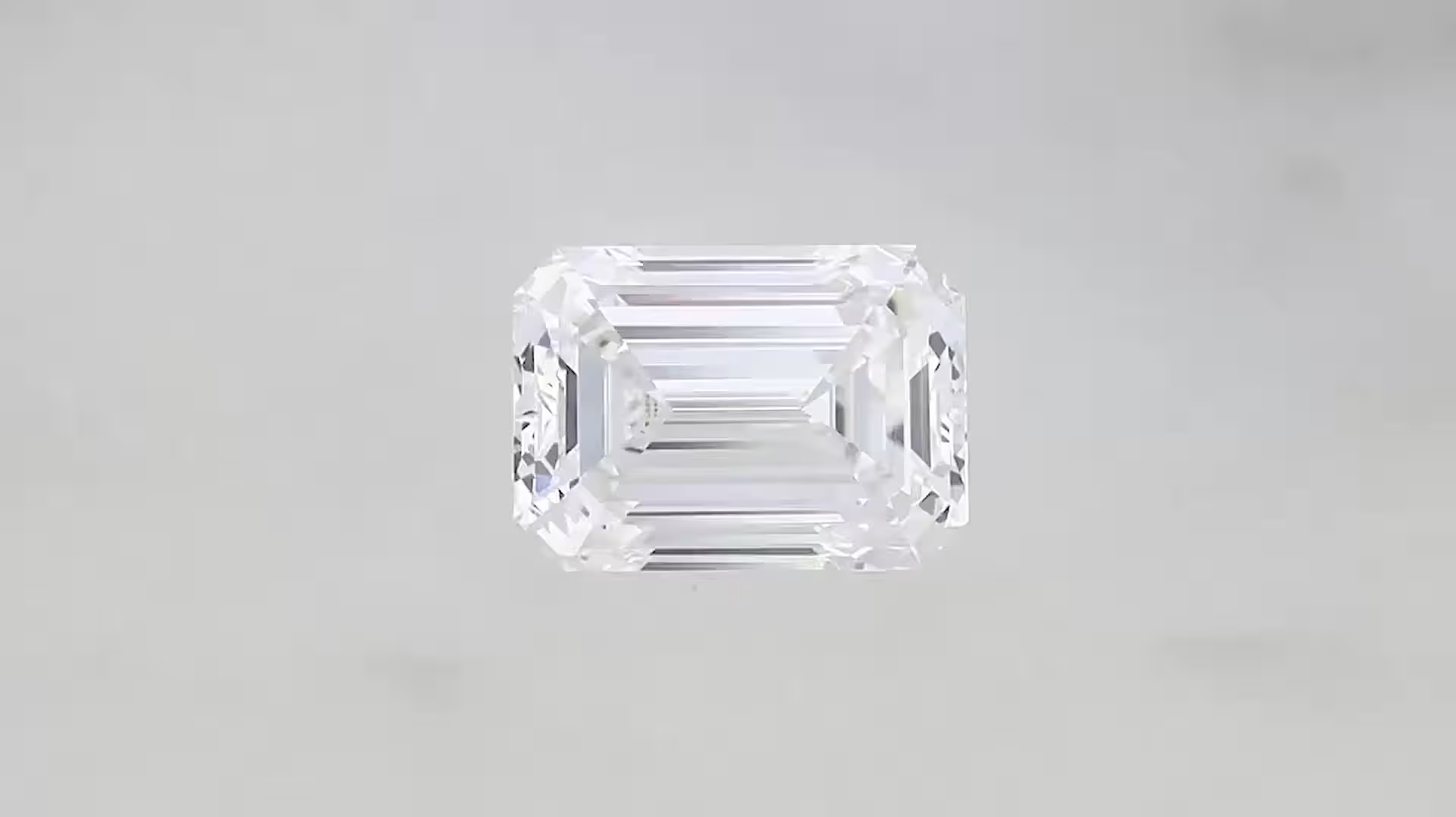
1.14ct D VVS2 Emerald
$1,750
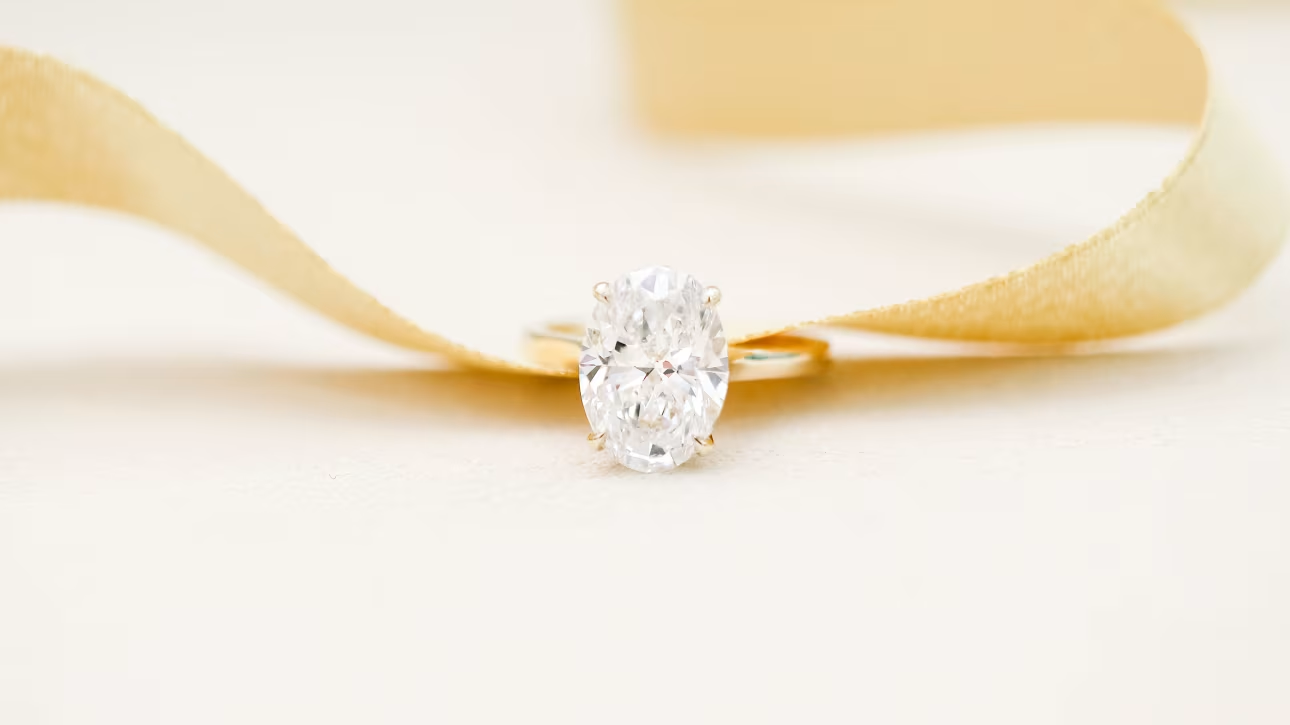
Your guide to oval lab diamonds from the experts at Ada.
Diamond Education
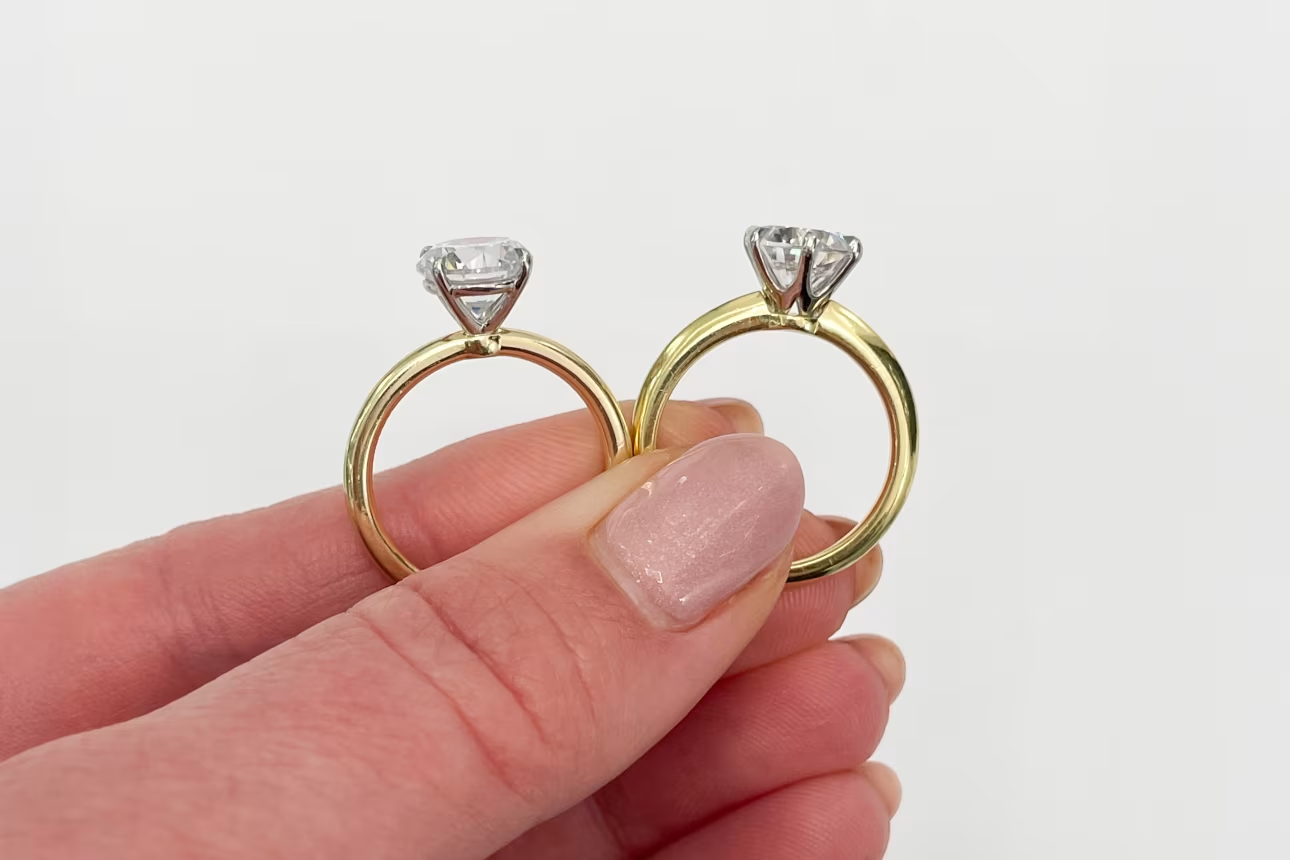
Gold remains one the most popular choices for fine jewelry and engagement rings. You may be wondering “Should I choose 14k or 18k gold for my engagement ring”? or "Is one better than the other?"
Diamond Education
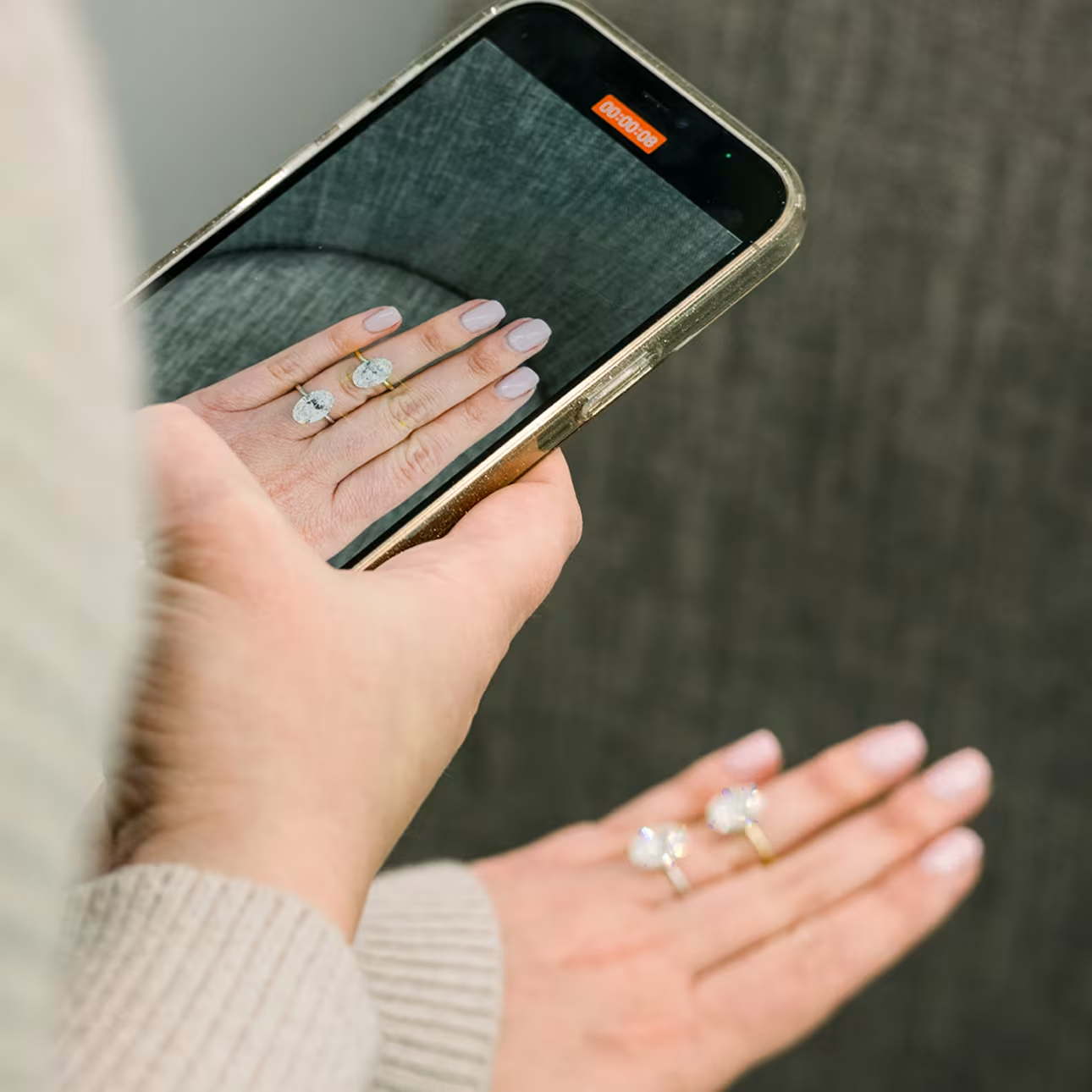
Everything you need to know before buying a lab diamond online, and how to make sure you're getting what you pay for.
Your guide to emerald cut lab diamonds from the experts at Ada.
Emerald cut lab diamonds are a step cut, which makes them look and perform differently from the brilliant cuts most people picture when they think of diamonds.
Instead of maximizing sparkle through dozens of small facets, the emerald cut uses long, parallel facets that create a mirror effect, producing eye-catching flashes of light rather than the familiar sparkle of a round diamond.
Emerald cut diamonds are a distinctive and elegant choice, but a step-cut style means inclusions and blemishes in a diamond are much more visible than other shapes. This guide covers what to look for in emerald cut diamonds and how we approach selecting them at Ada.
The emerald cut was originally developed for emerald gemstones, then adopted for diamonds because the step-cut style protects the stone's corners and reduces pressure during setting.
The large, open table is what gives this shape its characteristic look: you can see deep into the stone, which creates that hall-of-mirrors effect when light moves through it.
Emerald cuts tend to look larger face-up than round diamonds of the same carat weight, and the elongated shape is particularly flattering on the hand. They're also one of the few cuts that can make high clarity grades visually meaningful, because the faceting makes inclusions easier to see.
Because the facets are large and open, emerald cuts don't hide inclusions the way brilliant cuts do. A VS1 or better is generally what we recommend, and your concierge will assess each stone for any inclusions that might be visible to the naked eye in the center of the table.
Color is highly important with emerald cuts. Unlike brilliant cuts, the step-cut faceting does not mask color well, so color grade matters more here than with most other shapes. We generally recommend staying in the colorless range (D–F) if you want a bright white diamond. Our team reviews every stone for color nuance, including any unnatural tints that can affect how the diamond looks in real life.
One more thing worth knowing: emerald cuts can have empty, see-through facets in the pavilion. We check for this during an in-person inspection by running a hand behind the loose stone. Some transparency is normal, but you shouldn't be able to see your hand (or anything else) clearly through the diamond.
The emerald cut's clean geometry pairs naturally with settings that share its architectural sensibility.
Solitaires are the most popular choice and let the diamond's proportions take center stage. Three-stone settings with tapered baguettes or trapezoids complement the step-cut lines particularly well. East-west orientations also work nicely with this shape, giving the ring a more modern feel. Halos can work, but they tend to look best when kept minimal. A heavy halo can fight with the emerald cut's linear character rather than enhance it.
Your diamond concierge can help you select the perfect setting style to maximize the beauty of your diamond and reflect your style.
The Asscher cut is the other major step cut, and the two are often compared. The main difference is shape: an Asscher is square with deeply cropped corners, while an emerald cut is rectangular.
The Asscher's smaller surface area and tighter facet pattern create a more compact, windmill-like reflection pattern. The emerald cut reads as more elongated and classic.
Both show clarity, both benefit from the same color considerations, and both reward careful selection. The choice usually comes down to personal preference for proportion and the overall look on the hand.
If you're deciding between the two, your concierge can show you both.
5ct Emerald
4.5ct Emerald Cut
4ct Emerald Cut
3.5ct Emerald Cut
3ct Emerald Cut
2.5ct Emerald Cut
2ct Emerald Cut
1.5ct Emerald Cut
1.01ct D VS1 Emerald
1.01ct D VS1 Emerald
$1,325
1.01ct D VVS1 Emerald
1.01ct D VVS1 Emerald
$1,775
1.02ct D VS1 Emerald
1.02ct D VS1 Emerald
$1,350
1.03ct E VS1 Emerald
1.03ct E VS1 Emerald
$1,200
1.04ct D VVS2 Emerald
1.04ct D VVS2 Emerald
$1,575
1.06ct E VS1 Emerald
1.06ct E VS1 Emerald
$1,225
1.07ct D VVS2 Emerald
1.07ct D VVS2 Emerald
$1,625
1.08ct E VVS2 Emerald
1.08ct E VVS2 Emerald
$1,475
1.08ct E VVS2 Emerald
1.08ct E VVS2 Emerald
$1,475
1.08ct D VVS2 Emerald
1.08ct D VVS2 Emerald
$1,650
1.09ct D VVS2 Emerald
1.09ct D VVS2 Emerald
$1,650
1.14ct D VVS2 Emerald
1.14ct D VVS2 Emerald
$1,750
Your guide to oval lab diamonds from the experts at Ada.
Diamond Education
Gold remains one the most popular choices for fine jewelry and engagement rings. You may be wondering “Should I choose 14k or 18k gold for my engagement ring”? or "Is one better than the other?"
Diamond Education
Everything you need to know before buying a lab diamond online, and how to make sure you're getting what you pay for.