The 4Cs of Lab Grown Diamonds

Cut
Your guide to diamond cut grades: what to look for and how cut differs from diamond shape.
The 4Cs of Lab Grown Diamonds
Cut, Color, Clarity, and Carat Weight
Diamond Education
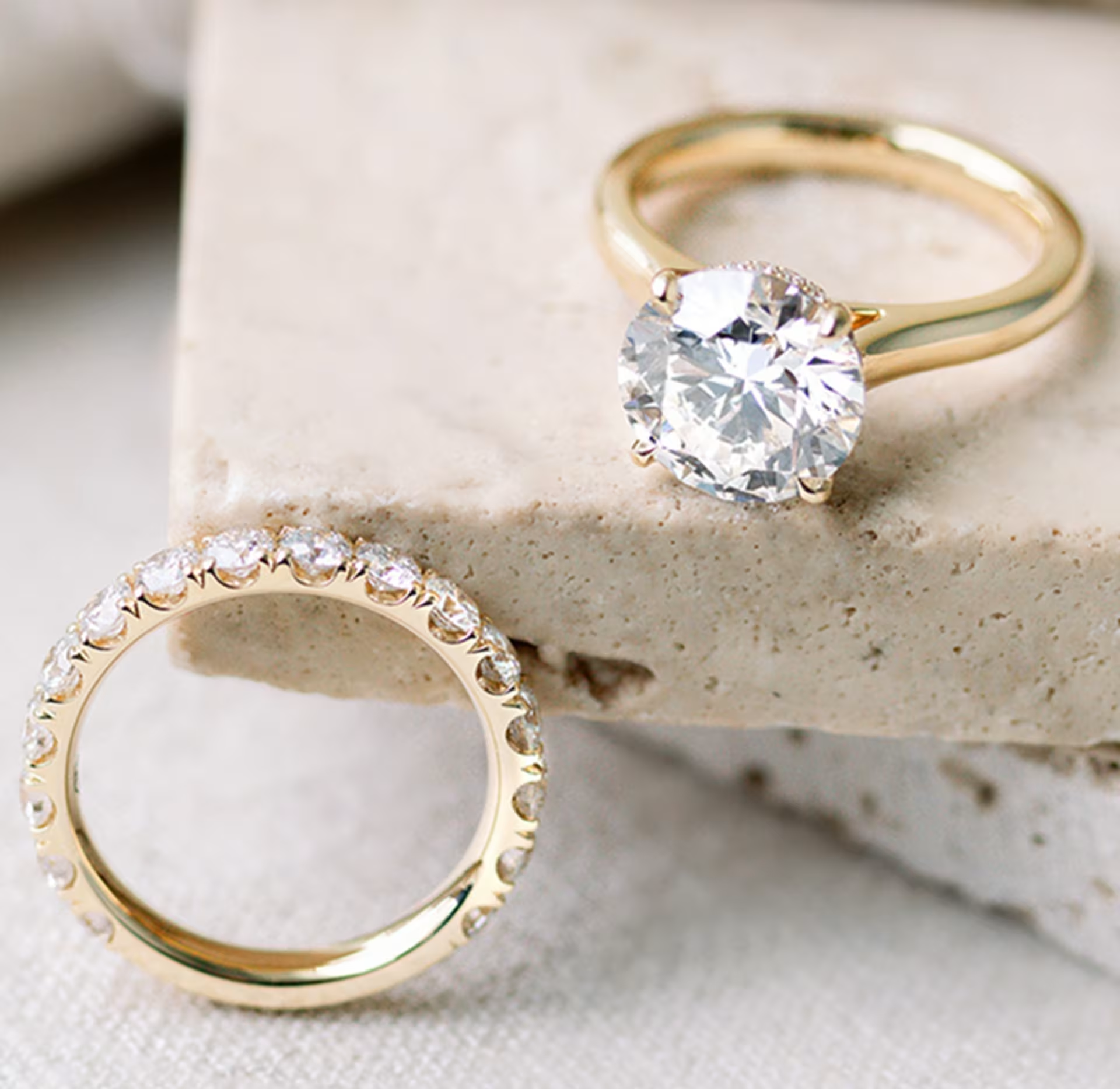
Lab diamonds are graded on the 4Cs: cut, color, clarity, and carat weight, by independent gemological organizations. Just like mined diamonds, lab diamonds can vary widely across these factors.
Some are exceptional, others fall short. Not every lab diamond is colorless, flawless, or beautifully cut, which is why understanding the 4Cs is an important place to start.
Your guide to diamond cut grades: what to look for and how cut differs from diamond shape.
Diamond color measures the subtle tint present in a diamond. Learn how the D–Z color scale works, what color grades look white to the eye, and how Ada Diamonds evaluates lab diamonds for brightness and undesirable color undertones.
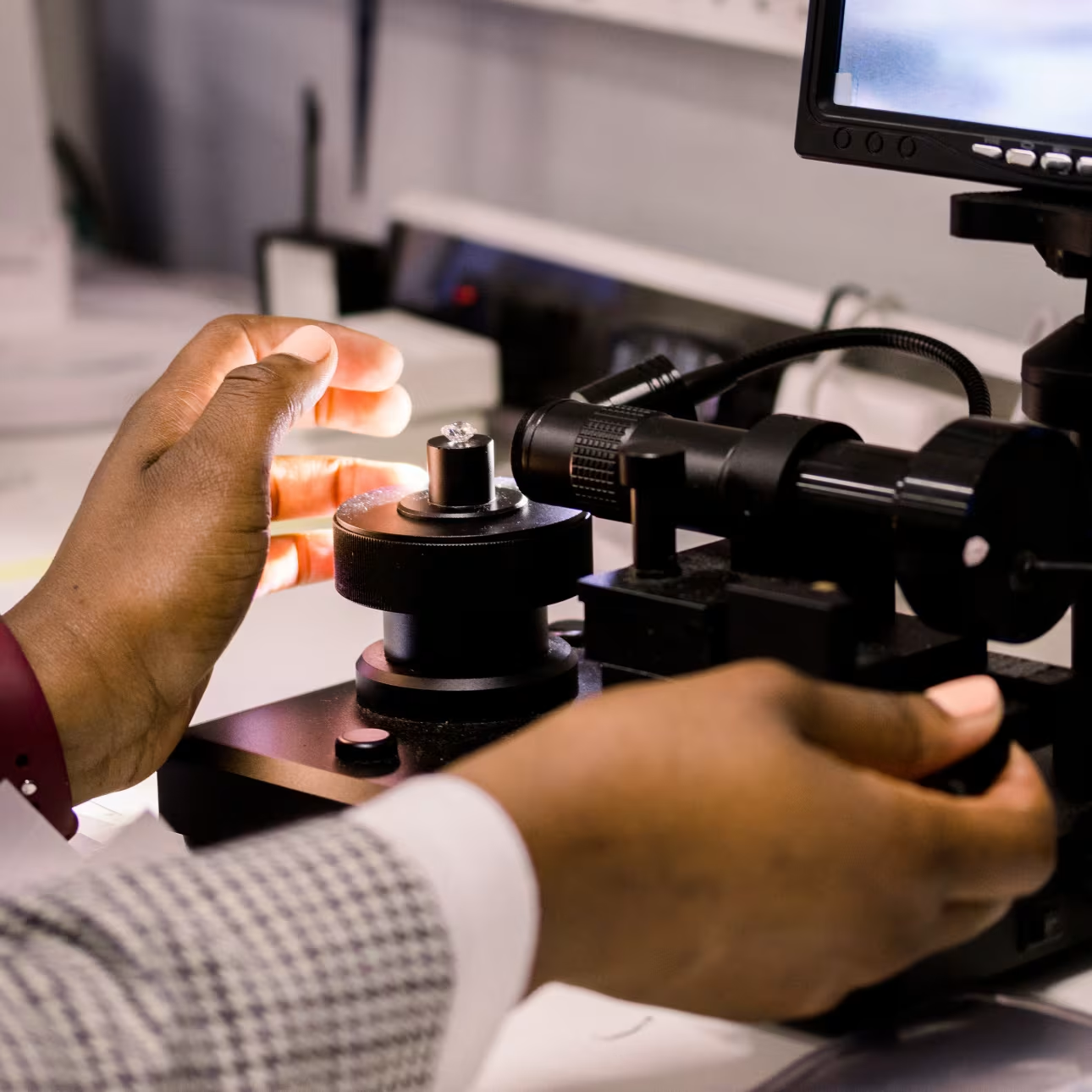
Clarity is a measurement of how many or how large of blemishes or inclusions are present in the diamond. The lower the clarity of a diamond, the more imperfections in the diamond. Lab diamonds vary in clarity, just like mined diamonds.
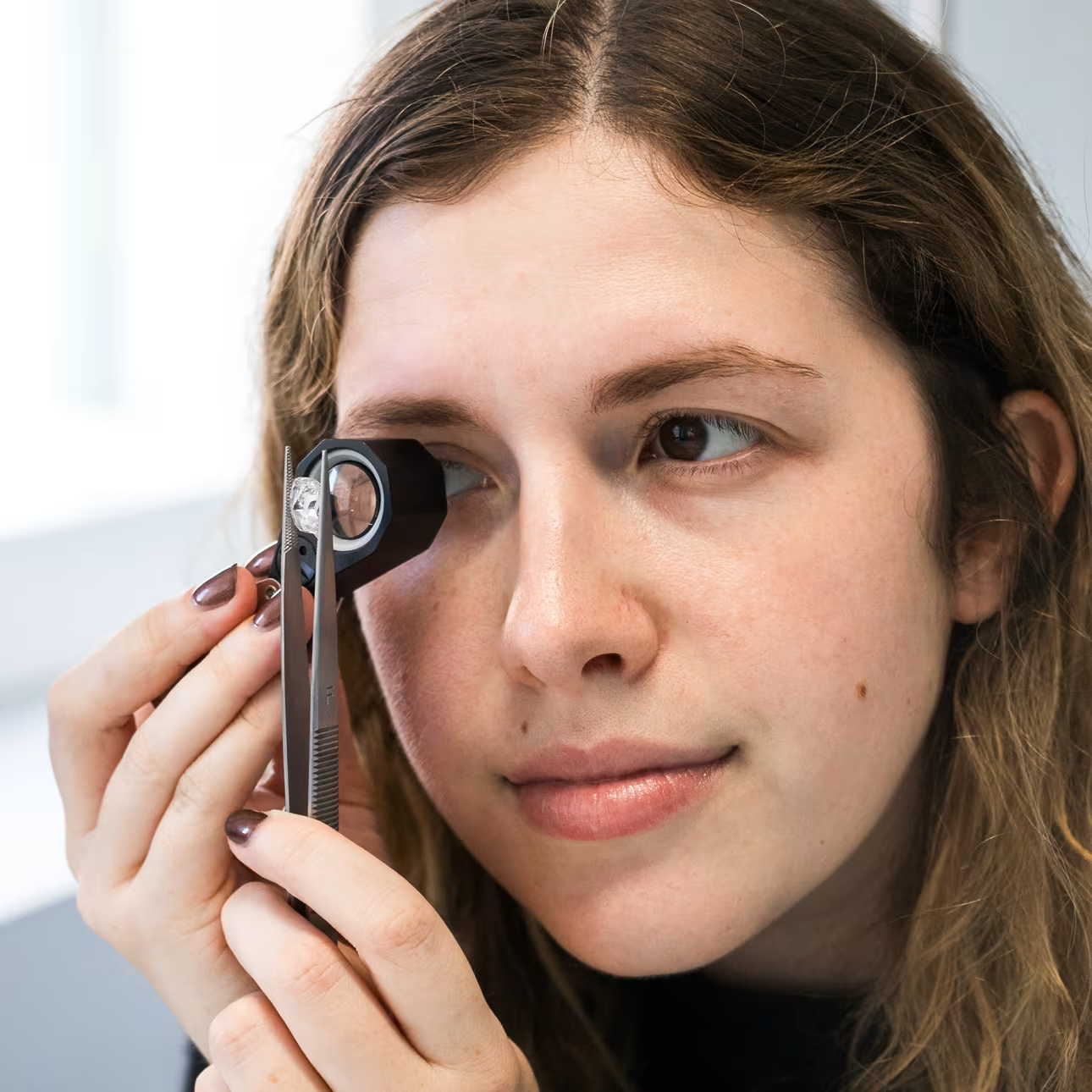
Carat weight measures how much a diamond weighs, not how large it appears. Learn how carat weight influences a diamond’s size, rarity, and price, and how Ada Diamonds helps clients find the right balance of beauty, proportions, and value.
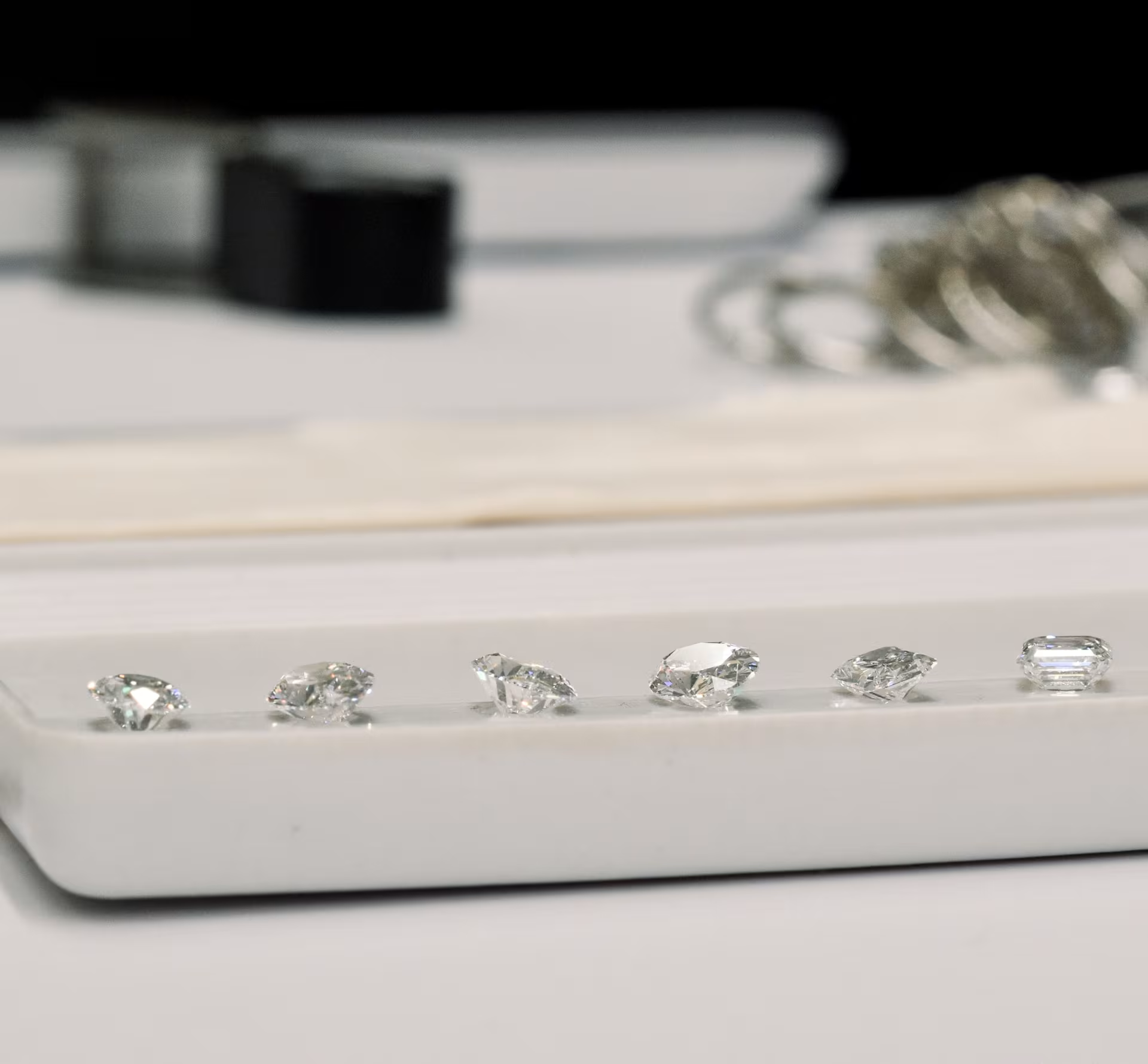
For many of our clients, the decision to choose a lab grown diamond comes down to two things: origin and value.
Lab diamonds offer a clear and transparent origin. They are created without the environmental disruption of large-scale mining and without the ethical concerns historically associated with parts of the natural diamond supply chain.
Choosing a lab diamond also allows our clients to consider size and quality differently. Because lab diamonds can be produced more efficiently, clients can often choose a larger stone or higher specifications within the same budget as a smaller or lower quality natural diamond.
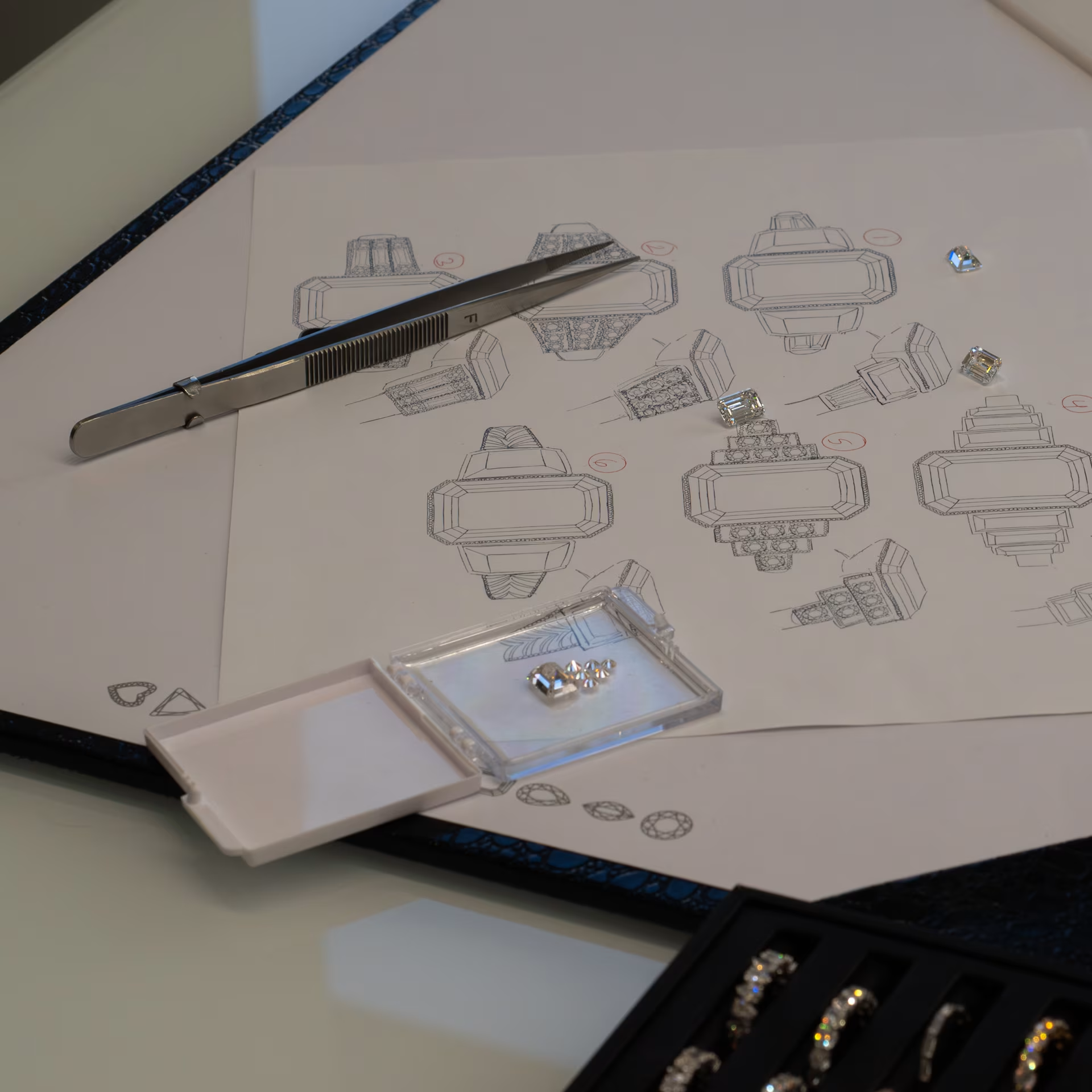
Not every lab diamond meets our standards.
As the world’s first luxury lab diamond retailer, Ada Diamonds has always focused on sourcing premium lab diamonds that meet the same standards of beauty and craftsmanship long associated with the finest natural stones.
Every diamond at Ada Diamonds is evaluated in person before it ever reaches our inventory. Our team reviews each stone beyond its grading report, selecting only those that demonstrate exceptional beauty and performance.
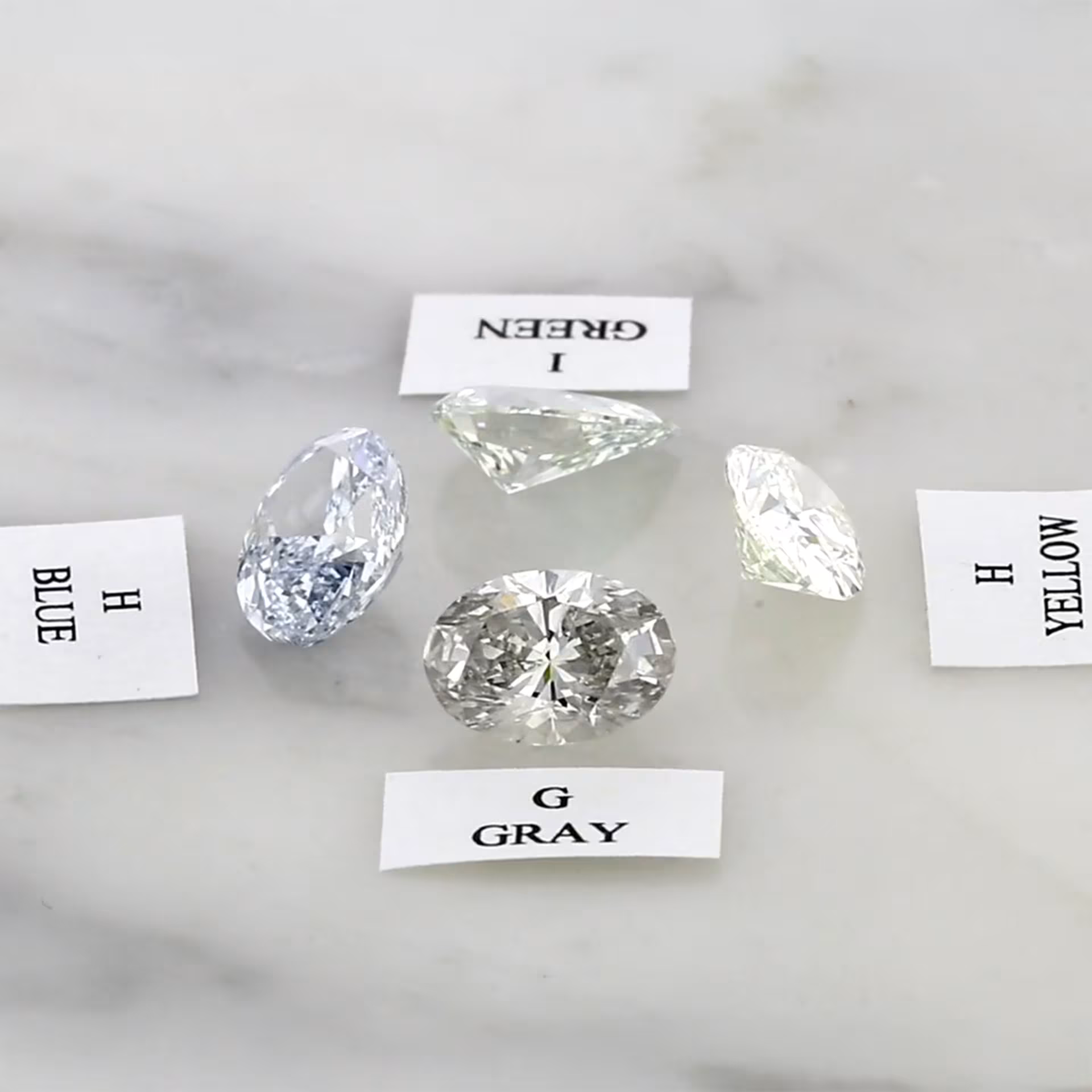
Just like natural diamonds, lab diamonds can vary significantly in quality. Two stones with identical grades on paper may look very different in person.
That’s why it’s important to work with a trusted lab diamond expert who inspects each diamond before you buy.
At Ada Diamonds, every diamond in our inventory is hand-selected after a rigorous in-person inspection process, so you can be confident you are choosing from the very best lab diamonds available.
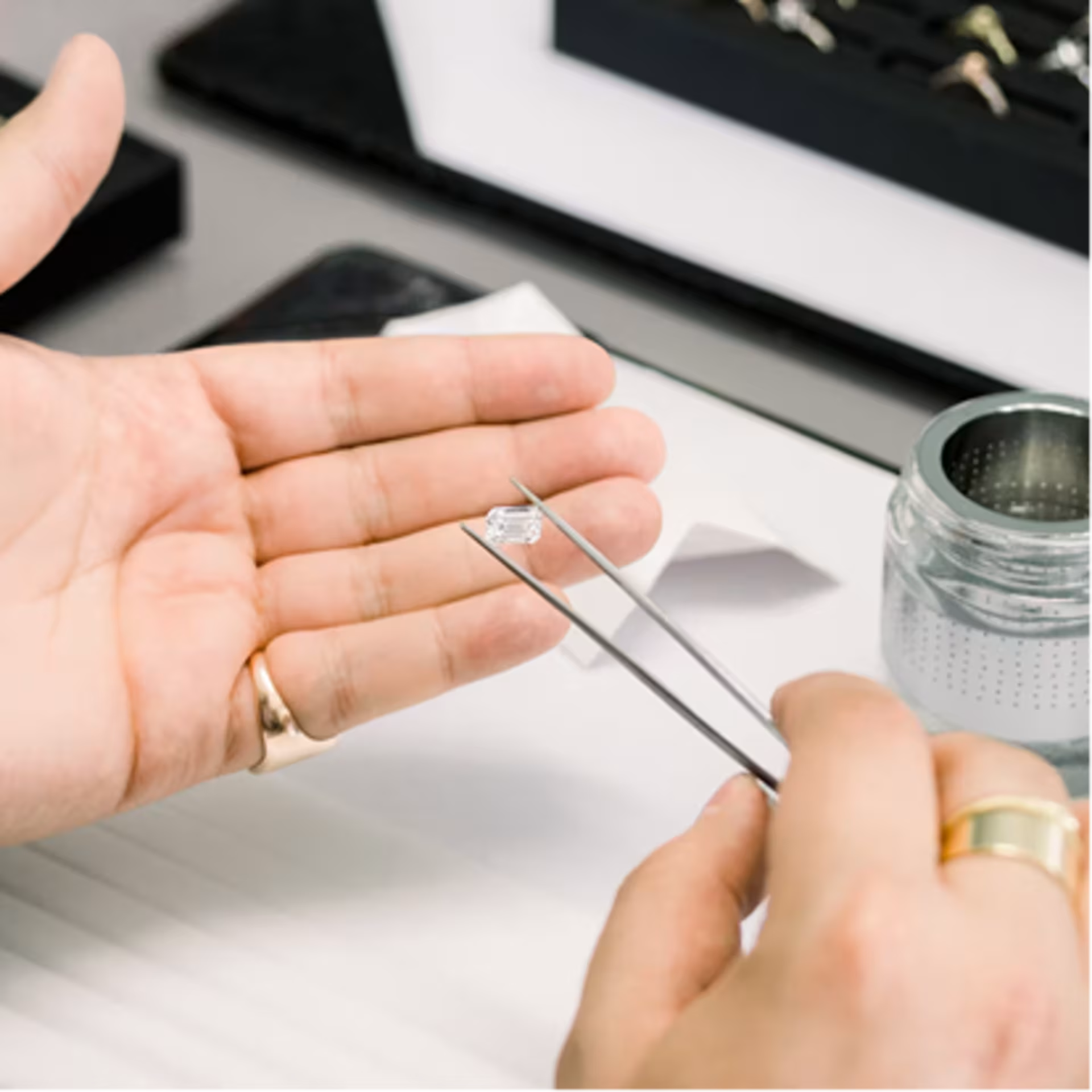
Lab diamonds are priced according to the same 4Cs as natural diamonds: cut, color, clarity, and carat weight. Lab grown diamonds are typically around 80% less expensive than mined diamonds of equivalent quality.
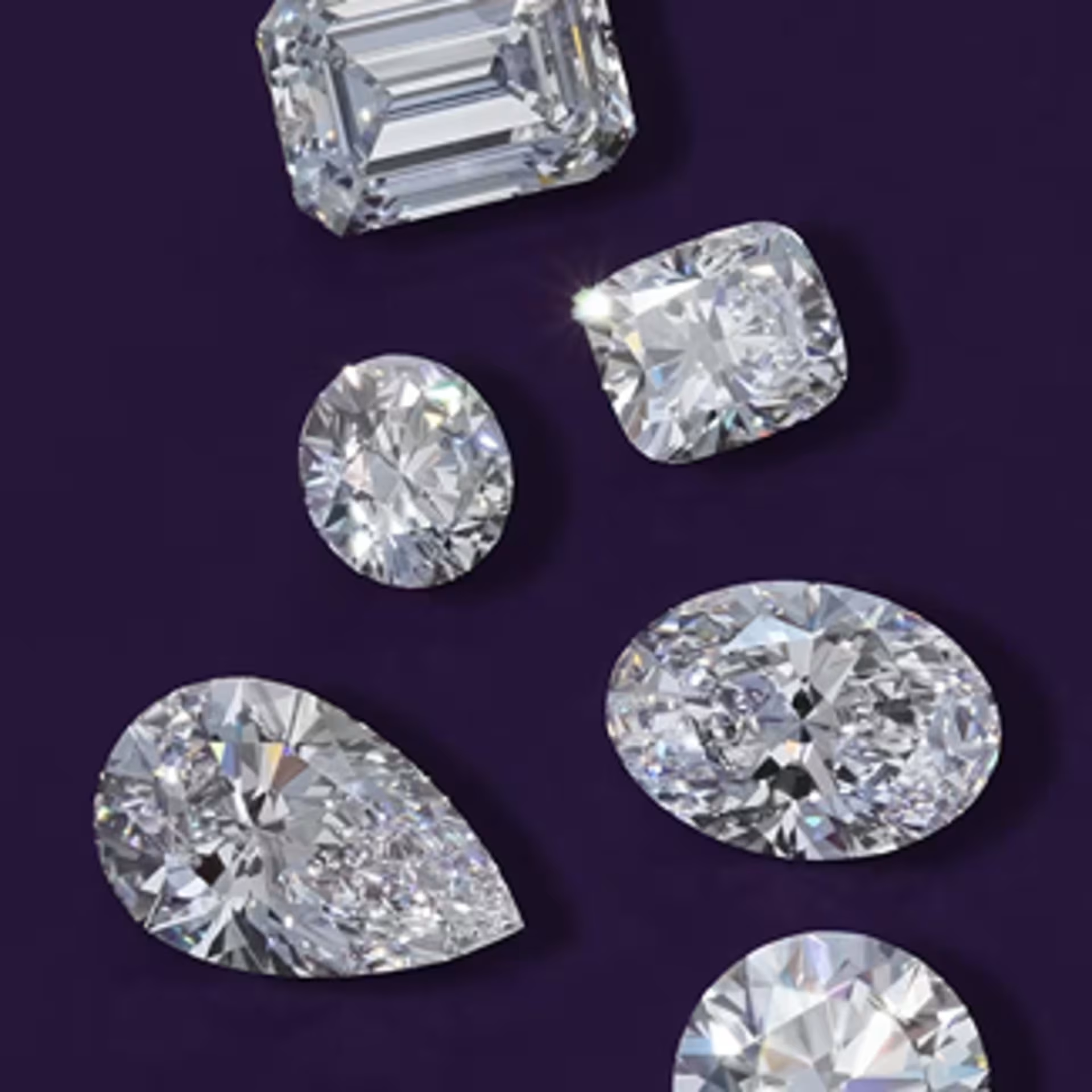
Ada Diamonds offers eight shapes for center stones: round, oval, pear, cushion, princess, radiant, emerald, and asscher.
We also offer accent diamonds in baguette, trapezoid, half moon, trillion, and triangular brilliant shapes.
Looking for a unique cut or something different? Inquire to have one of our Diamond Concierge curate something just for you!
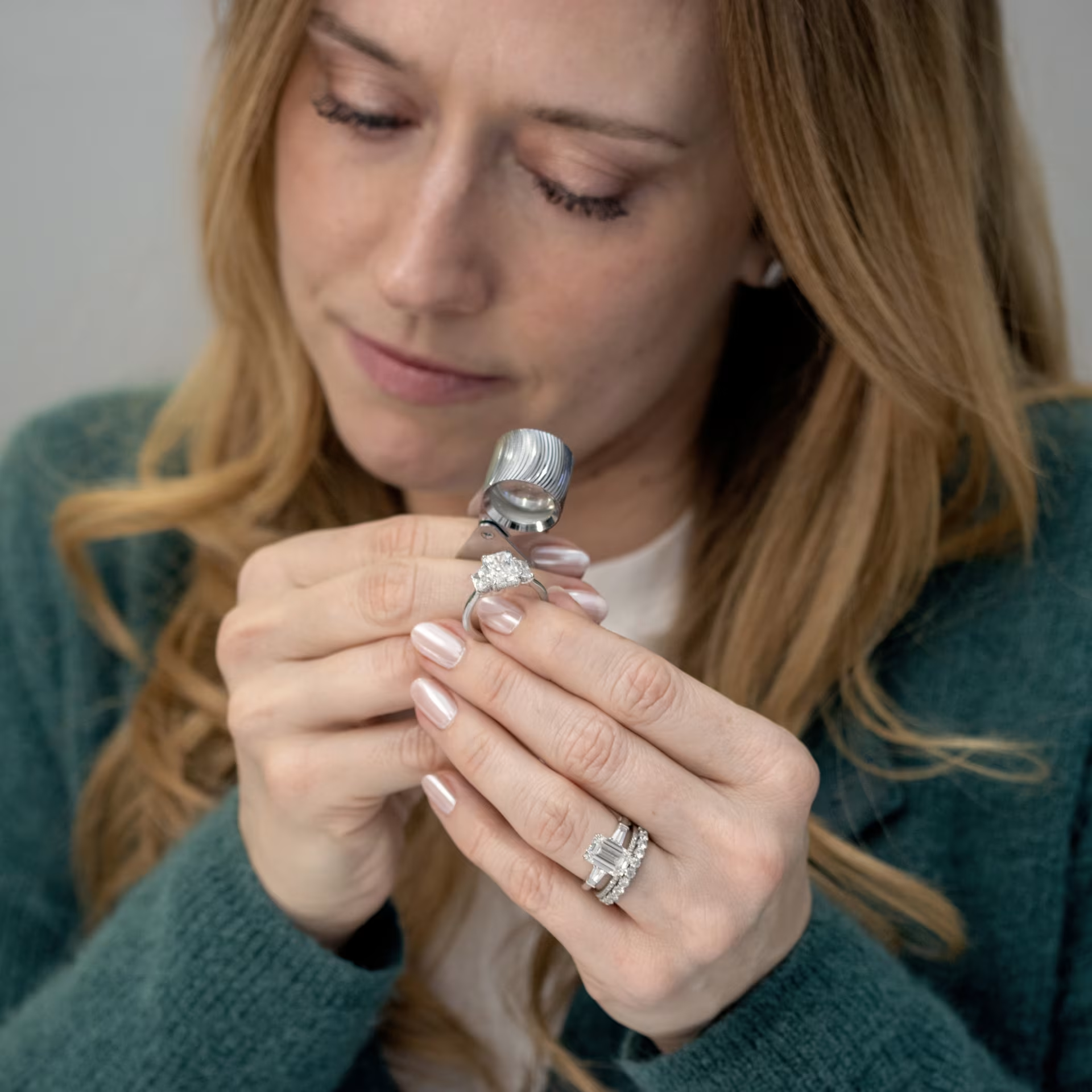
Lab diamonds are graded using the same 4Cs as natural diamonds, and a grading report provides an important starting point when evaluating a stone.
However, a grading report only tells part of the story. It can indicate whether a diamond has the potential to be beautiful, but it cannot fully predict how that diamond will look in real life.
Lab diamonds can have characteristics that are not reflected on a grading report, including color tinges, the overall make of the diamond, and phenomena such as phosphorescence. These factors can influence how a diamond appears in different lighting and how it performs visually.
For this reason, diamonds should always be evaluated in person by someone who understands what to look for. At Ada Diamonds, we believe that choosing a diamond should never be done sight unseen.
No two diamonds are exactly the same. That’s what makes finding the right one both an art and a science.
While grading reports provide an important starting point, they don’t tell the entire story of how a diamond will look in real life.
Each stone, natural or lab grown, has unique properties that influence how it reflects light and how it appears to the eye. Understanding those details is key to choosing a truly exceptional diamond.
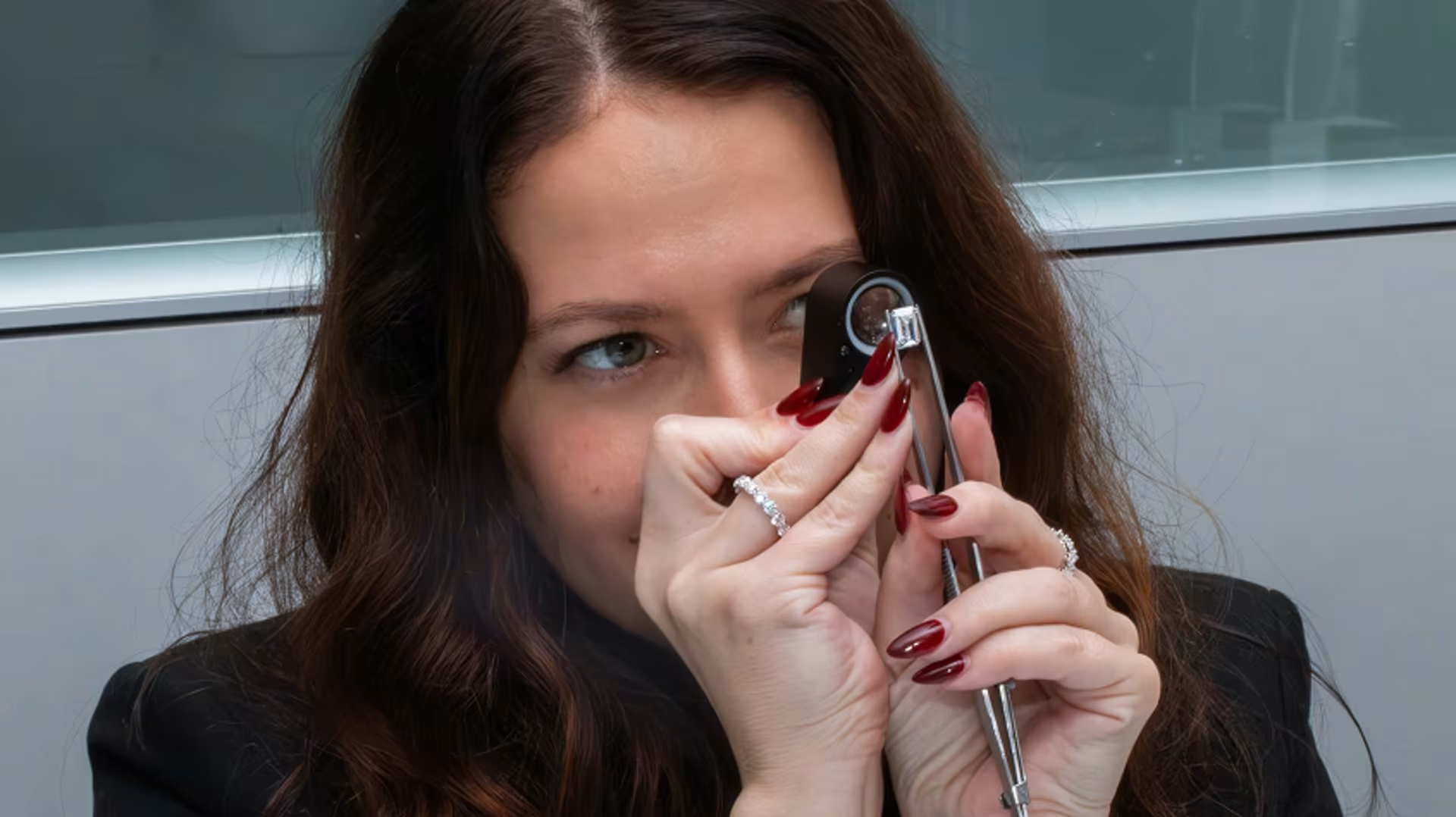
All of our premium lab-grown diamonds over 1 carat are graded and certified by independent gemological laboratories. Each report evaluates the diamond’s carat weight, color, clarity, and cut. Organizations such as GIA, IGI, and GCAL provide objective assessments that offer additional transparency and help clients to make an informed purchase and feel confident in their selection.

Mining diamonds from the earth requires large-scale excavation and heavy machinery. Lab diamonds are created with significantly less environmental disruption.
Many lab diamond growers use renewable energy, and the diamond growth process requires only a small amount of raw carbon to produce each carat.
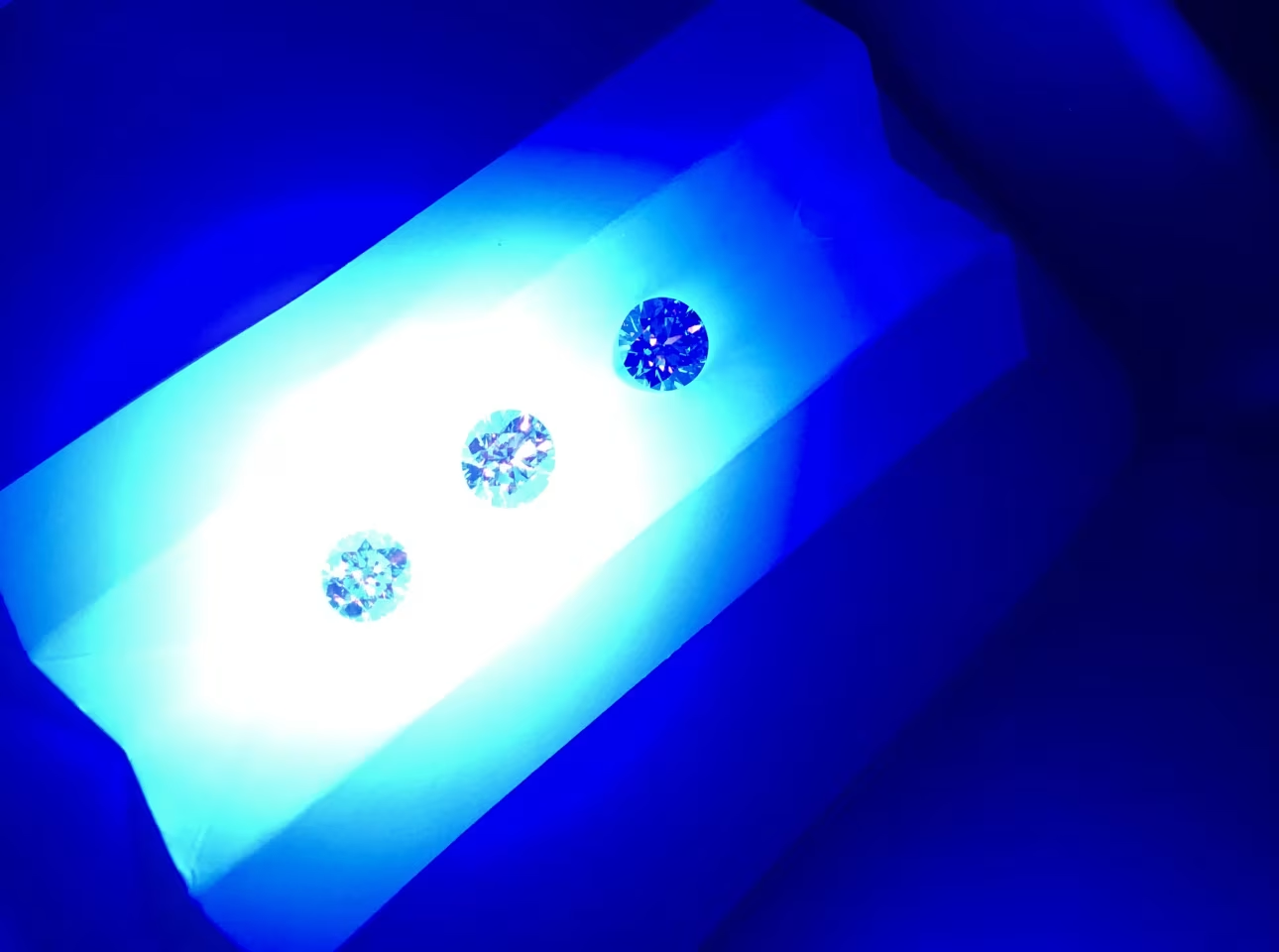
Blue nuance is a tinge of blue color present in HPHT diamonds, resulting from excess boron in the diamond after the growth process.
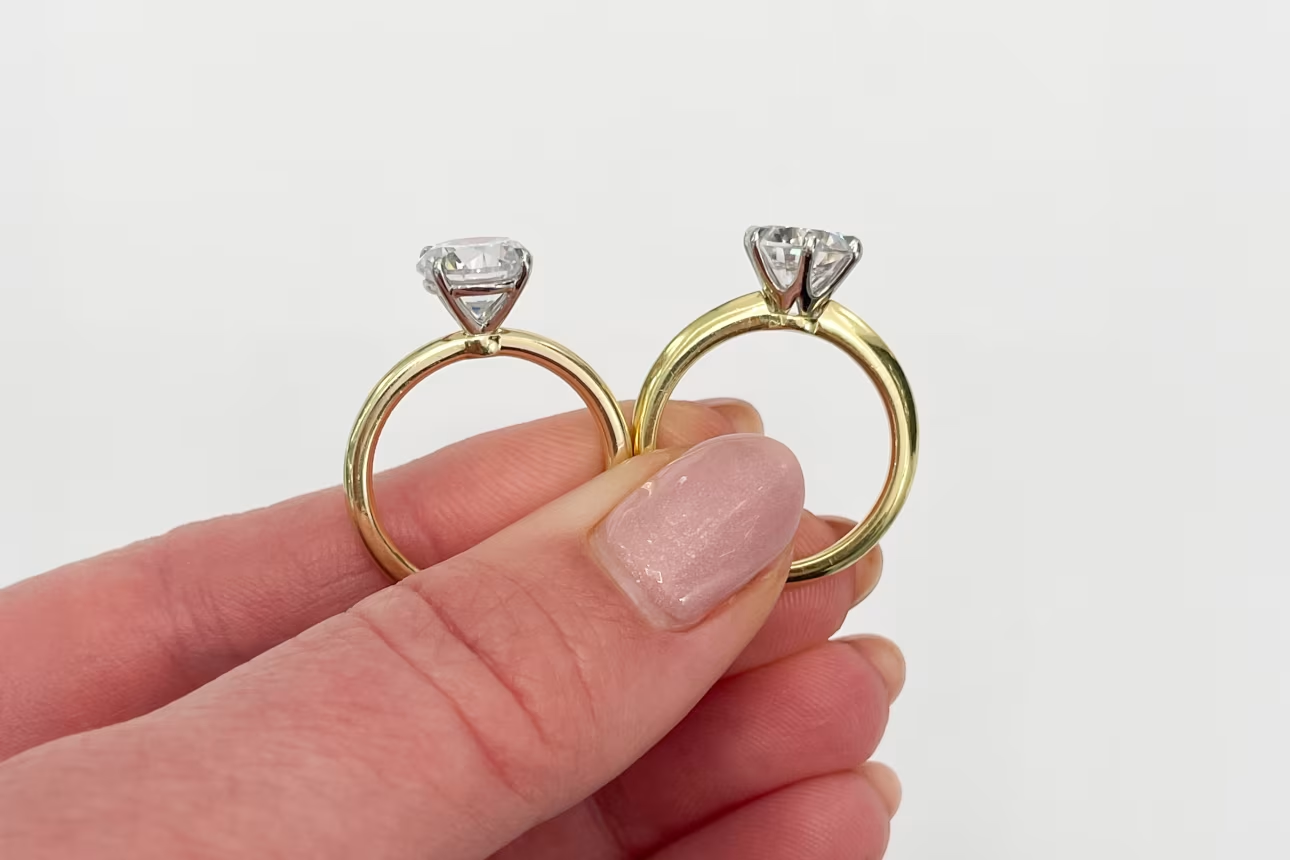
Gold remains one the most popular choices for fine jewelry and engagement rings. You may be wondering “Should I choose 14k or 18k gold for my engagement ring”? or "Is one better than the other?"

Your engagement ring should fit seamlessly into your everyday life. From band width to setting style, thoughtful design choices help ensure your ring is both beautiful and practical. Here’s how to choose a ring that complements your lifestyle and lasts for years to come.
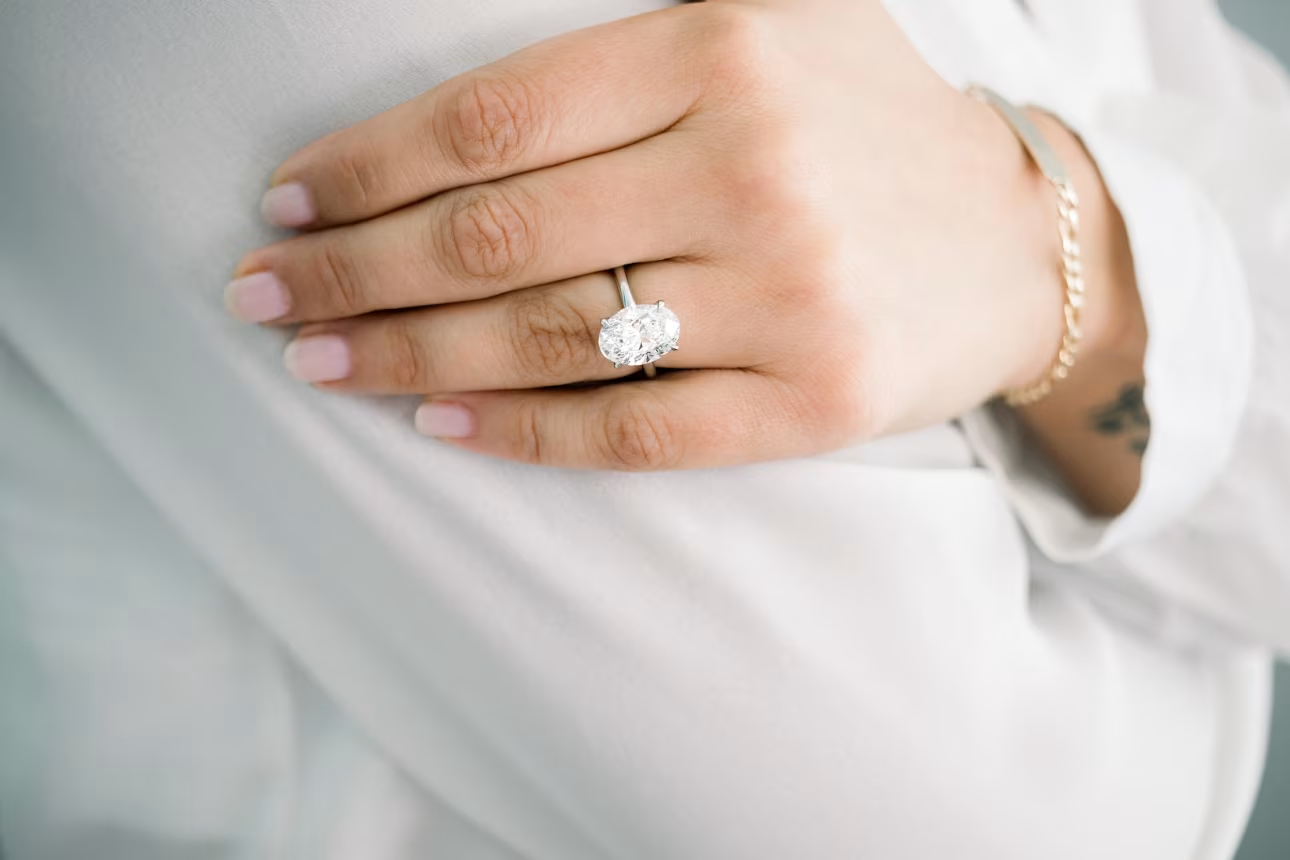
Everything you need to know about bow-ties and light leakage in fancy shaped lab diamonds.
The 4Cs of Lab Grown Diamonds
Cut, Color, Clarity, and Carat Weight
Diamond Education
Lab diamonds are graded on the 4Cs: cut, color, clarity, and carat weight, by independent gemological organizations. Just like mined diamonds, lab diamonds can vary widely across these factors.
Some are exceptional, others fall short. Not every lab diamond is colorless, flawless, or beautifully cut, which is why understanding the 4Cs is an important place to start.
Your guide to diamond cut grades: what to look for and how cut differs from diamond shape.
Diamond color measures the subtle tint present in a diamond. Learn how the D–Z color scale works, what color grades look white to the eye, and how Ada Diamonds evaluates lab diamonds for brightness and undesirable color undertones.
Clarity is a measurement of how many or how large of blemishes or inclusions are present in the diamond. The lower the clarity of a diamond, the more imperfections in the diamond. Lab diamonds vary in clarity, just like mined diamonds.
Carat weight measures how much a diamond weighs, not how large it appears. Learn how carat weight influences a diamond’s size, rarity, and price, and how Ada Diamonds helps clients find the right balance of beauty, proportions, and value.
For many of our clients, the decision to choose a lab grown diamond comes down to two things: origin and value.
Lab diamonds offer a clear and transparent origin. They are created without the environmental disruption of large-scale mining and without the ethical concerns historically associated with parts of the natural diamond supply chain.
Choosing a lab diamond also allows our clients to consider size and quality differently. Because lab diamonds can be produced more efficiently, clients can often choose a larger stone or higher specifications within the same budget as a smaller or lower quality natural diamond.
Not every lab diamond meets our standards.
As the world’s first luxury lab diamond retailer, Ada Diamonds has always focused on sourcing premium lab diamonds that meet the same standards of beauty and craftsmanship long associated with the finest natural stones.
Every diamond at Ada Diamonds is evaluated in person before it ever reaches our inventory. Our team reviews each stone beyond its grading report, selecting only those that demonstrate exceptional beauty and performance.
Just like natural diamonds, lab diamonds can vary significantly in quality. Two stones with identical grades on paper may look very different in person.
That’s why it’s important to work with a trusted lab diamond expert who inspects each diamond before you buy.
At Ada Diamonds, every diamond in our inventory is hand-selected after a rigorous in-person inspection process, so you can be confident you are choosing from the very best lab diamonds available.
Lab diamonds are priced according to the same 4Cs as natural diamonds: cut, color, clarity, and carat weight. Lab grown diamonds are typically around 80% less expensive than mined diamonds of equivalent quality.
Ada Diamonds offers eight shapes for center stones: round, oval, pear, cushion, princess, radiant, emerald, and asscher.
We also offer accent diamonds in baguette, trapezoid, half moon, trillion, and triangular brilliant shapes.
Looking for a unique cut or something different? Inquire to have one of our Diamond Concierge curate something just for you!
Lab diamonds are graded using the same 4Cs as natural diamonds, and a grading report provides an important starting point when evaluating a stone.
However, a grading report only tells part of the story. It can indicate whether a diamond has the potential to be beautiful, but it cannot fully predict how that diamond will look in real life.
Lab diamonds can have characteristics that are not reflected on a grading report, including color tinges, the overall make of the diamond, and phenomena such as phosphorescence. These factors can influence how a diamond appears in different lighting and how it performs visually.
For this reason, diamonds should always be evaluated in person by someone who understands what to look for. At Ada Diamonds, we believe that choosing a diamond should never be done sight unseen.
No two diamonds are exactly the same. That’s what makes finding the right one both an art and a science.
While grading reports provide an important starting point, they don’t tell the entire story of how a diamond will look in real life.
Each stone, natural or lab grown, has unique properties that influence how it reflects light and how it appears to the eye. Understanding those details is key to choosing a truly exceptional diamond.
All of our premium lab-grown diamonds over 1 carat are graded and certified by independent gemological laboratories. Each report evaluates the diamond’s carat weight, color, clarity, and cut. Organizations such as GIA, IGI, and GCAL provide objective assessments that offer additional transparency and help clients to make an informed purchase and feel confident in their selection.
Mining diamonds from the earth requires large-scale excavation and heavy machinery. Lab diamonds are created with significantly less environmental disruption.
Many lab diamond growers use renewable energy, and the diamond growth process requires only a small amount of raw carbon to produce each carat.
Blue nuance is a tinge of blue color present in HPHT diamonds, resulting from excess boron in the diamond after the growth process.
Gold remains one the most popular choices for fine jewelry and engagement rings. You may be wondering “Should I choose 14k or 18k gold for my engagement ring”? or "Is one better than the other?"
Your engagement ring should fit seamlessly into your everyday life. From band width to setting style, thoughtful design choices help ensure your ring is both beautiful and practical. Here’s how to choose a ring that complements your lifestyle and lasts for years to come.
Everything you need to know about bow-ties and light leakage in fancy shaped lab diamonds.